
Coaching guide · Coaching resources
Basketball Coaching Resources
Need a practice plan, a game for one situation or something for game day? We've sorted our free and paid coaching resources by the question you're trying to answer.
10 min read
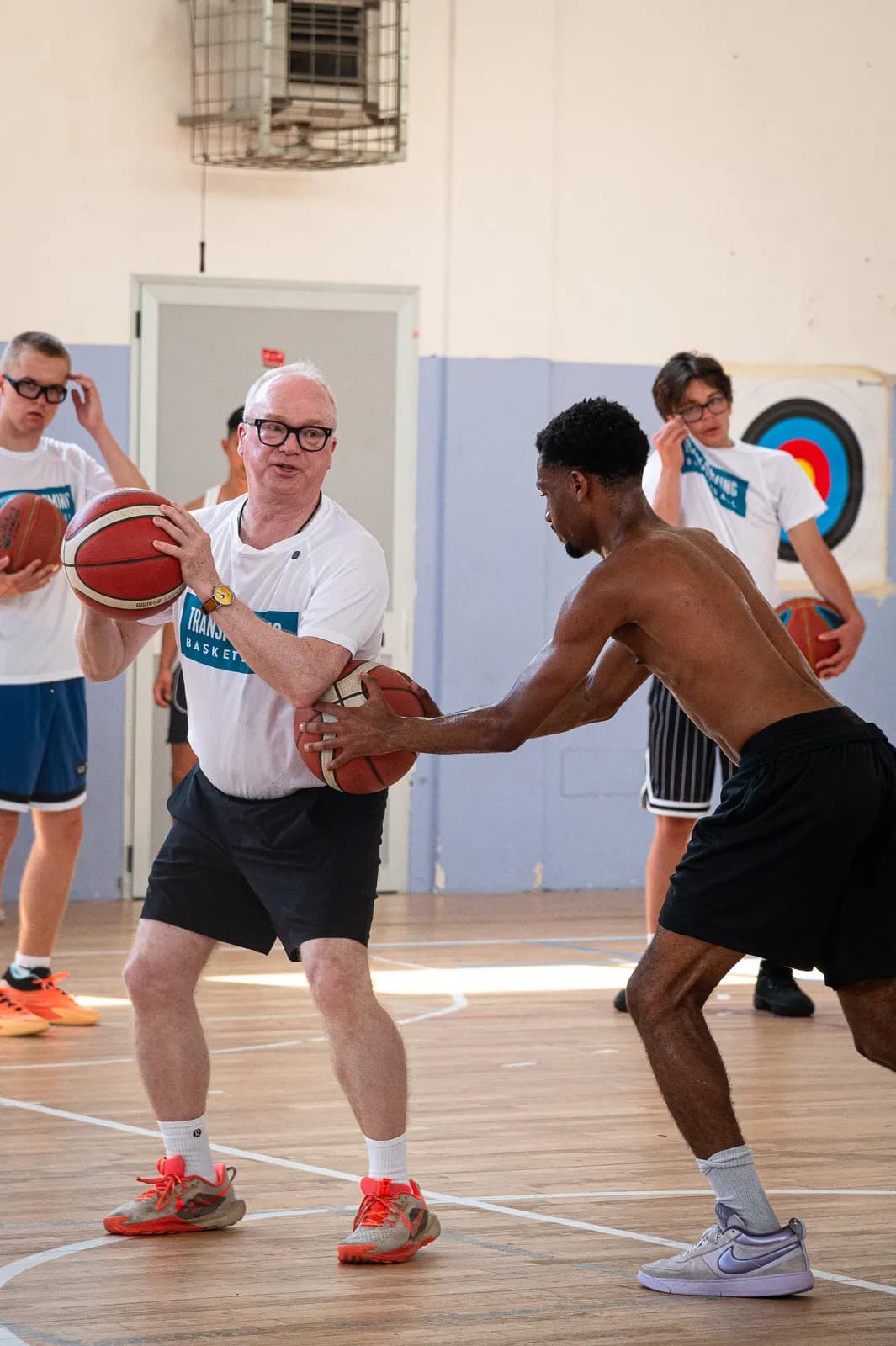
Alex Sarama's article Where to Start for Coaches New to a Constraints-Led Approach began as a post in our membership community. It takes on what he calls paralysis by analysis: with so much research, so many books and podcasts, it's hard to decide where to start. His answer was to start with principles of play rather than a drill or a plan.
“We find that coaches generally fall into the trap of copying drills when they are not guided by a north star: aka clear principles of play.”
His suggestion is to put your principles of play on one page, then design activities that bring them to life. For a U12 team that wants to play dominoes, keeping an advantage alive pass after pass so the defense can't get back to neutral, that might be a small-sided game with a hi-5 start and a short shot clock, so players have to shoot, drive or pass quickly. Use the resources below the same way. Start with your players' rate limiters (the things holding their game back) and pick the resource built around that problem. Before you copy a plan or a game, make sure you know why it's built the way it is.
Use a Resource Without Copying It
Every plan and game below was designed for a particular group of players. Chapter 8 of Alex's book Transforming Basketball, which sets out the activities he uses, opens with a warning that applies to all of them:
“The activities in this chapter should not be used as a guide for coaches to copy identically. The underlying theories behind each activity and why they have been designed are far more important.”
The same chapter borrows a term from Jacobs and Michaels: the coach as a learning designer, whose job is to design what players interact with in practice. Read a resource that way. For each game, ask what problem it puts in front of players, which constraint creates that problem, and what you'd change for your own group. Using the same activities with the same constraints all season, the book adds, serves little purpose, because players change.
Then think about how you'll introduce it. The book's activities come with short prompts so the coach can start them without being overtly instructive, and it suggests a personal challenge: get each activity started in 20 seconds or less, so players spend the time playing. If you can't explain a borrowed game that quickly, simplify the rules before practice rather than during it.
Be careful with the coach who says a method must be right because it worked for them. In Understanding Survivorship Bias, Gabriel Millian remembers being told as a young assistant that players should learn two-hand passes before one-hand passes, because a famous coach taught it that way. Successful methods are worth studying, he argues, but with a critical eye on the context they came from, since nobody sees the players those methods didn't work for.

Free
21 SSGs for Your Next Practice
21 small-sided games you can run and adapt at your next practice, each one keeping the defenders, decisions and scoring of the real game.
I Need a Practice Plan to Start From
The free Mike Mackay Practice Plan is a complete practice-plan example from the Canadian coach Mike Mackay. Use it to reflect on how you organize your own sessions and as a starting point for your own practice, rather than a script to run.
If you want plans for a whole season or event, these PDFs are sold individually. Players the same age can differ a lot in experience, confidence and physical capabilities, so adapt the constraints for individual players. A game that sits at the right challenge point for one player can be too easy or too hard for the next.
| Resource | Price | What it is |
|---|---|---|
| U12 X20 Practice Plan Bundle | $99 | Twenty age-specific practice plans for U12, each with activities, constraints, feedback and scoring. |
| U14 X20 Practice Plan Bundle | $99 | Twenty age-specific practice plans for U14, each with activities, constraints, feedback and scoring. |
| U16 X20 Practice Plan Bundle | $99 | Twenty age-specific practice plans for U16, each with activities, constraints, feedback and scoring. |
| U18 X20 Practice Plan Bundle | $99 | Twenty age-specific practice plans for U18, each with activities, constraints, feedback and scoring. |
| Youth Camp Practice Plans | $39 | Ready-to-run camp sessions for younger players, built on small-sided games and an introduction to the constraints-led approach. |
| Varsity Camp Practice Plans | $39 | Camp sessions for older, more experienced players: representative practice built around small-sided games and reads. |
| Tryout Practice Plan Bundle | $39 | Session plans for organized tryouts, plus a player evaluation form and a parent presentation template. |
Our free age-group guides explain the thinking behind a session: the U10 practice plan for younger beginners, the U12 practice plan and the U14 practice plan. The practice planning guide covers the rest.
I Need a Game for a Specific Situation
21 SSGs for Your Next Practice is our free collection of 21 small-sided games you can run and adapt at your next practice. Each game is laid out with court diagrams, the concept it develops, an explanation and constraint variations, from a Two Side 3-on-2 to a Skate and Cut 1-on-1+1. For shooting and finishing specifically, Shooting & Finishing Games is a free PDF of games that keep decisions and opponents in the activity.
Pick the game for the problem your team keeps running into. A 3-on-2 gives the offense an advantage that already exists, and the problem is using it before the defense gets back to neutral. A trigger game against a neutral defense makes players create the advantage themselves. The small-sided games guide shows how starting positions and constraints change the problem, with worked examples and the constraints for each.
When you want more, The Small-Sided Games Book ($49) is for coaches who want better practice activities they can use immediately: 59 small-sided games, with diagrams and constraints you can adapt to your players.
I Want My Offense to Share Principles
The free Conceptual Offense Starter Kit is a starting point for building an offense around shared principles, spacing and player decisions. The Conceptual Offense Playbook ($49) builds on it with the full playbook, for coaches building a more adaptable conceptual offense. And because Alex's advice starts with principles of play, the Principles of Play Glossary ($29) is a shared language for your program: the principles and terms behind the Transforming Basketball approach, printable for players.
Two free resources take on specific defenses. PNR Coverage Solutions helps ball handlers, screeners and teammates recognize and respond to pick-and-roll coverages. The Zone Offense Masterclass with Alex Sarama is a video on a concept-based approach to attacking zone defenses. The conceptual offense guide shows how spacing, triggers and coverage solutions fit together.
I Want Shooting Practice That Looks More Like a Game
A Better Shooting Practice is a free video on rethinking shooting practice: giving shooting activities a clear intention, varying the situations players shoot from and linking practice to the opportunities players get in games. The shooting development guide goes further.
I Need Help with Game Day and the Season
Two PDFs cover the work around practice. Game Coaching Resources ($29) is a set of sideline tools for game day: a crib sheet, timeout checklist, post-game review and a conceptual-offense stat tracker. Organizational Checklists ($29) is a set of coaching and program checklists that keep the season organized so you can spend more energy actually coaching.
I Want to Read the Thinking Behind It
Transforming Basketball (2024) is Alex's book on the constraints-led approach. It runs from what skill is and why learning is nonlinear to principles of play, a chapter of activities and a final chapter on how individuals, youth programs, and college and professional teams could take the first steps. Along the way are fifteen reflective tasks for coaches. The chapter 8 activities sit on a "representative dial", inspired by the work of Jia Yi Chow and colleagues, that runs from 1-on-0 at the least representative end to the game itself at the other.
You can watch those activities on our site, for example 3-on-3 Battleship, 4-on-4-on-4 Defensive Shutdown, 3-on-2 Jungle Shooting and Shield Tag 1-on-1+1. The book's own goal for them is that coaches never slide back to the far left of the dial, highly repetitive on-air practice with no defense.
A Constraints-Led Approach to Coaching Basketball (Routledge, forthcoming), written by Alex Sarama with Alex Lascu, George Vaz Rocha and Neil Houghton, is laid out by level. Chapter 2 covers the theory, chapters 3 and 4 are practical chapters for coaches of beginners and youth players, from principles of play to using constraints in practice, and chapter 5 deals with college and professional teams, including more intentional shootarounds and performance analysis. Its games are diagrammed with their rules, among them Smile 1-on-1, Dominoes Bursts 3-on-2, Touchdown Tag 2-on-3 and Continuous Dominoes 3-on-3, alongside tables on spacing, advantage, transition and shot selection principles, equipment changes for beginners and scripted, guided and live defense.
If you'd rather listen, the Transforming Basketball Podcast has an episode for most problems: EP26 on using the approach with beginners, EP10 on shooting, EP141 on practice design with Tim Dather and EP19 on mentoring with Mike MacKay. Our articles cover single games and concepts in more detail.
Build a Library for Your Staff
More material isn't always better. Transcending Basketball notes that ongoing learning is usually left to each coach, and that the internet offers an abundance of confusing, contradictory information. Its answer, for clubs with a director of methodology, is to filter the sources and keep one shared collection:
“An effective Department of Methodology may develop shared resources and concepts by developing their own library of learning resources.”
You don't need the job title to do it. When Alex worked with the coaches at the London Lions, he shared the book, a few podcasts and social media accounts worth following, then set up a shared Google Drive folder where the staff could see each other's practices and take ideas from them. He describes it in Coaching Staff Development: Bringing the CLA to Your Club. Start yours with your principles of play on one page. The last chapter of Transforming Basketball suggests that once a head coach has those principles, a list of small-sided games and constraint manipulations can be built underneath them to inspire practice planning. Add each game you run with the principle it serves, the constraint you used and a line on how players responded. After a season, that folder is built around your own players.
I Want to Understand Why I'm Changing Practice
The free Skill Acquisition Workshop is an online workshop on contemporary skill-acquisition principles for coaches, and the free Coaching Clinic with Alex Sarama is a clinic session covering the Transforming Basketball approach. To read instead, start with the constraints-led approach guide and the skill acquisition guide. Then apply one idea to an activity you already run and watch what emerges. Everything free is in one place in our free resource library.
Questions Coaches Ask
What free basketball coaching resources does Transforming Basketball offer?
Free resources include 21 SSGs for Your Next Practice, the Mike Mackay Practice Plan, the Conceptual Offense Starter Kit, Shooting & Finishing Games, PNR Coverage Solutions, A Better Shooting Practice, the Zone Offense Masterclass, the Skill Acquisition Workshop and a Coaching Clinic with Alex Sarama. They're all in the free resource library.
Where can I find basketball practice plans?
Start with the free Mike Mackay Practice Plan as an example to adapt. For a full set, the U12, U14, U16 and U18 X20 Practice Plan Bundles ($99 each) each contain twenty age-specific plans with activities, constraints, feedback and scoring.
How do I choose a small-sided game for basketball practice?
Choose by the situation your team needs. A 3-on-2 asks players to use an advantage that already exists, while a trigger game against a neutral defense asks them to create one. The free 21 SSGs for Your Next Practice includes constraint variations for each game.
What basketball coaching books do you recommend?
Start with Alex Sarama's Transforming Basketball (2024), which covers the constraints-led approach from theory to practice activities, with reflective tasks for coaches in each chapter. A Constraints-Led Approach to Coaching Basketball (Routledge, forthcoming) is organized by level, with practical chapters for beginner and youth coaches.
Where should a coach new to the constraints-led approach start?
Alex Sarama suggests starting with principles of play: write yours on one page, then design small-sided games that bring them to life. The Principles of Play Glossary and the free Skill Acquisition Workshop are good companions.
Are there basketball coaching resources for game day?
Yes. Game Coaching Resources ($29) is a set of sideline tools: a crib sheet, timeout checklist, post-game review and a conceptual-offense stat tracker. Organizational Checklists ($29) covers the rest of the season.
Take It to Your Next Practice
Free
21 SSGs for Your Next Practice
21 small-sided games you can run and adapt at your next practice, each one keeping the defenders, decisions and scoring of the real game.
Sources
- Where to Start for Coaches New to a Constraints-Led Approach, Alex Sarama
- Top 5 Favorite Small-Sided Games, George Vaz
- Transforming Basketball, Alex Sarama (2024): chapter 8, Transforming Activities, and chapter 9
- A Constraints-Led Approach to Coaching Basketball, Sarama, Lascu, Vaz Rocha and Houghton (Routledge, forthcoming): 1.3, Overview of Chapters
- Transcending Basketball, Alex Sarama (Wiley, forthcoming): chapter 7, Department of Methodology
- Coaching Staff Development: Bringing the CLA to Your Club, Alex Sarama
- Understanding Survivorship Bias, Gabriel Millian
Behind the methodology
About Alex Sarama
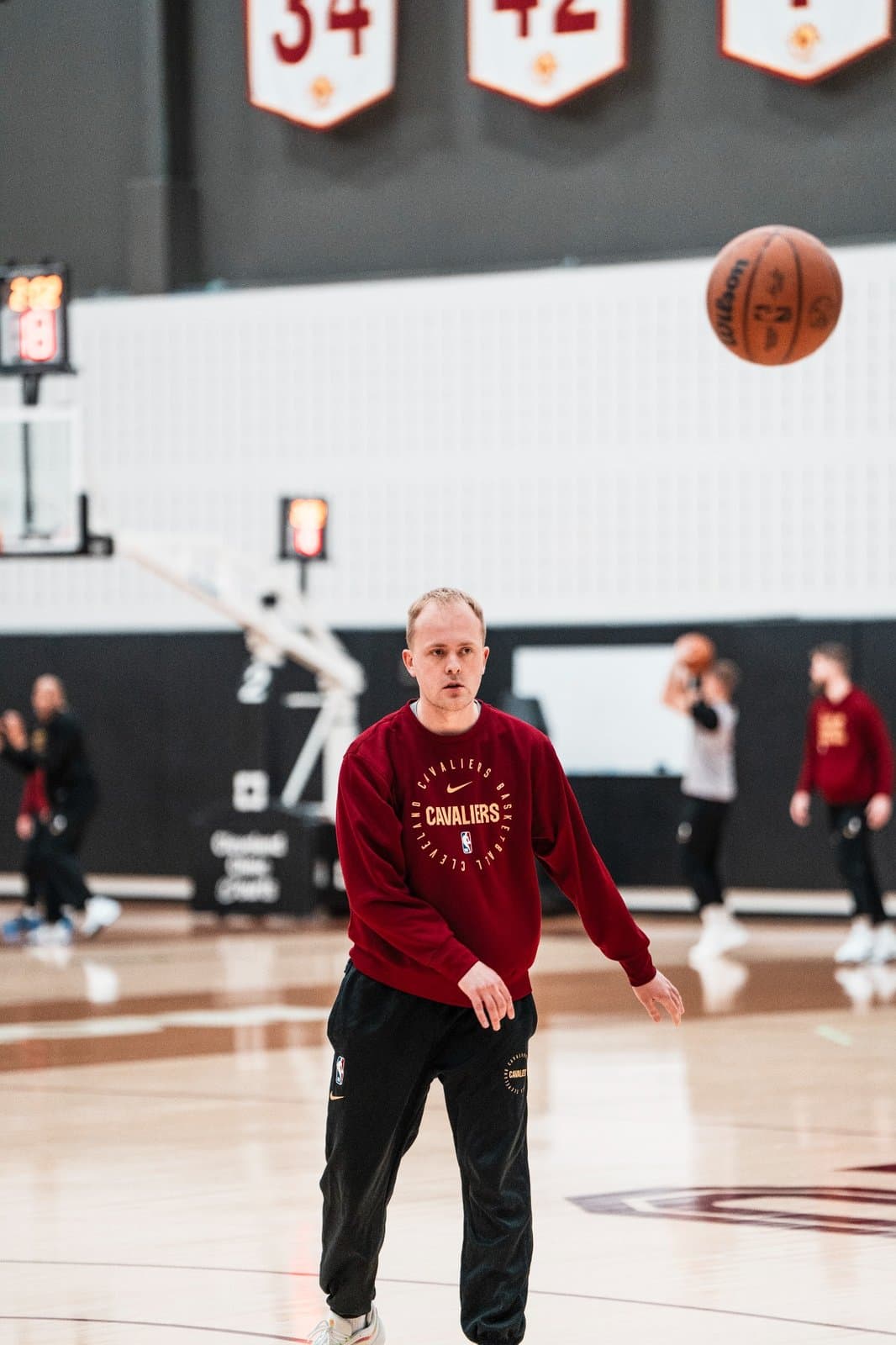
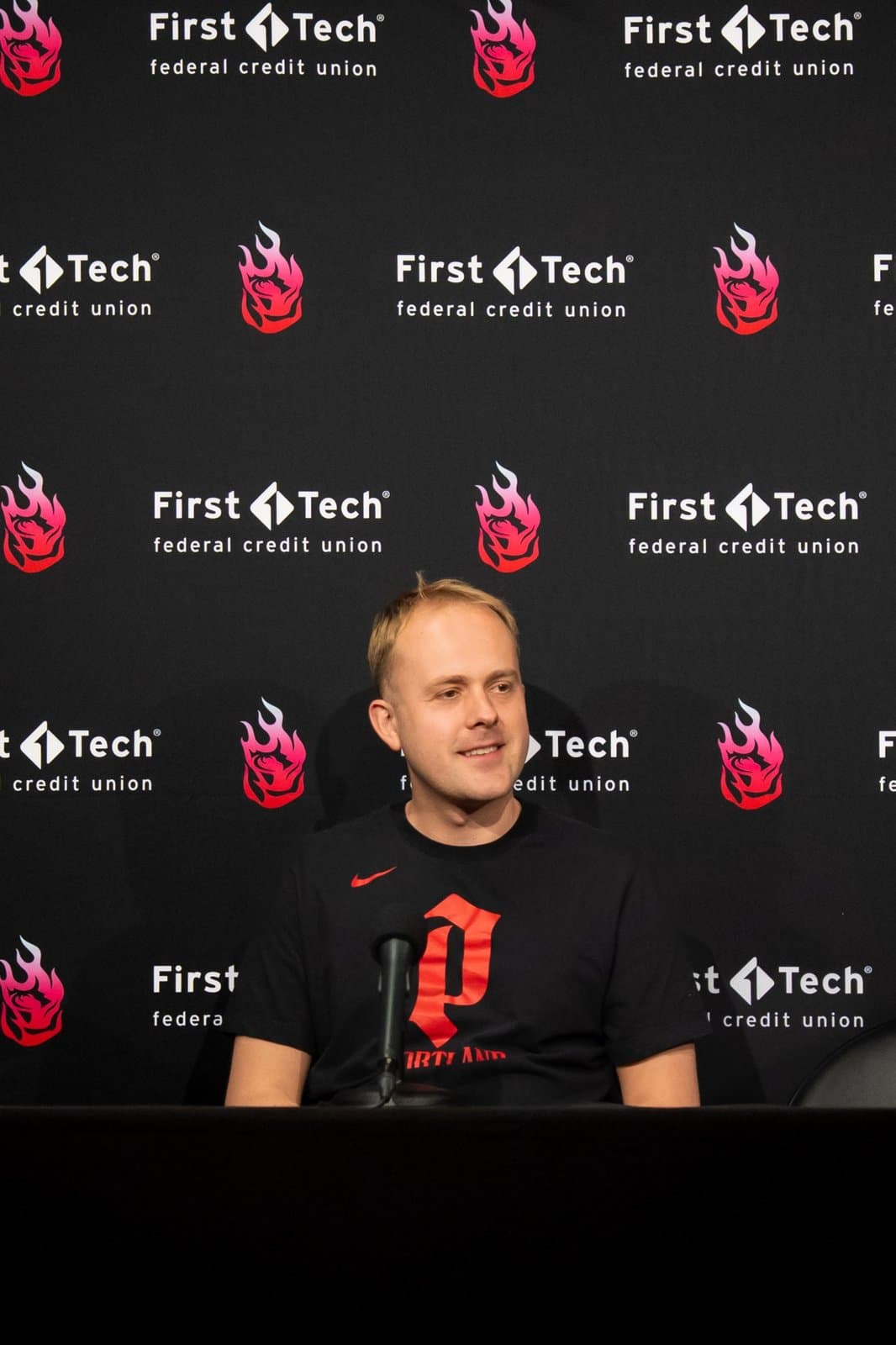
Alex Sarama
Founder, Transforming Basketball · Head Coach, Portland Fire
Alex Sarama is the founder of Transforming Basketball and Head Coach of the WNBA's Portland Fire. Previously, he served as Assistant Coach and Director of Player Development with the Cleveland Cavaliers.
His wider experience includes NBA Europe in Madrid, Paris Basketball in the EuroCup and the Rip City Remix, the Portland Trail Blazers' G League affiliate. Alex has delivered clinics in over 40 countries and has written three books on the constraints-led approach in basketball, including the Amazon bestselling Transforming Basketball (2024) and A Constraints-Led Approach to Coaching Basketball (2026).