Transforming resource
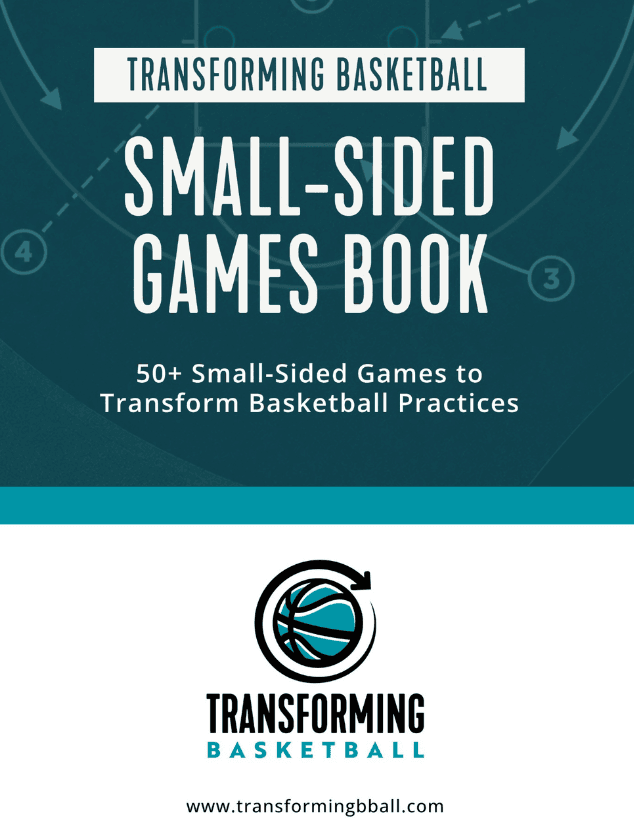
The Small-Sided Games Book
$49 USD
For coaches who want better practice activities they can use immediately.
Idioma
Cambia el idioma del sitio. Los cursos, descargas, el pago y la entrega siguen en inglés salvo que la página indique lo contrario.
Coaching Guide
Decision-making is usually treated as an offensive skill, yet much of good defense is finding a workable solution in a very short time.
Quick answer
Basketball defense is the team’s attempt to prevent advantages and recover when one is conceded. Players coordinate pressure on the ball, help away from it and rotation behind it, reading an offense they cannot fully predict. Transforming develops these principles through live and guided games that keep the offensive player and defender interacting.
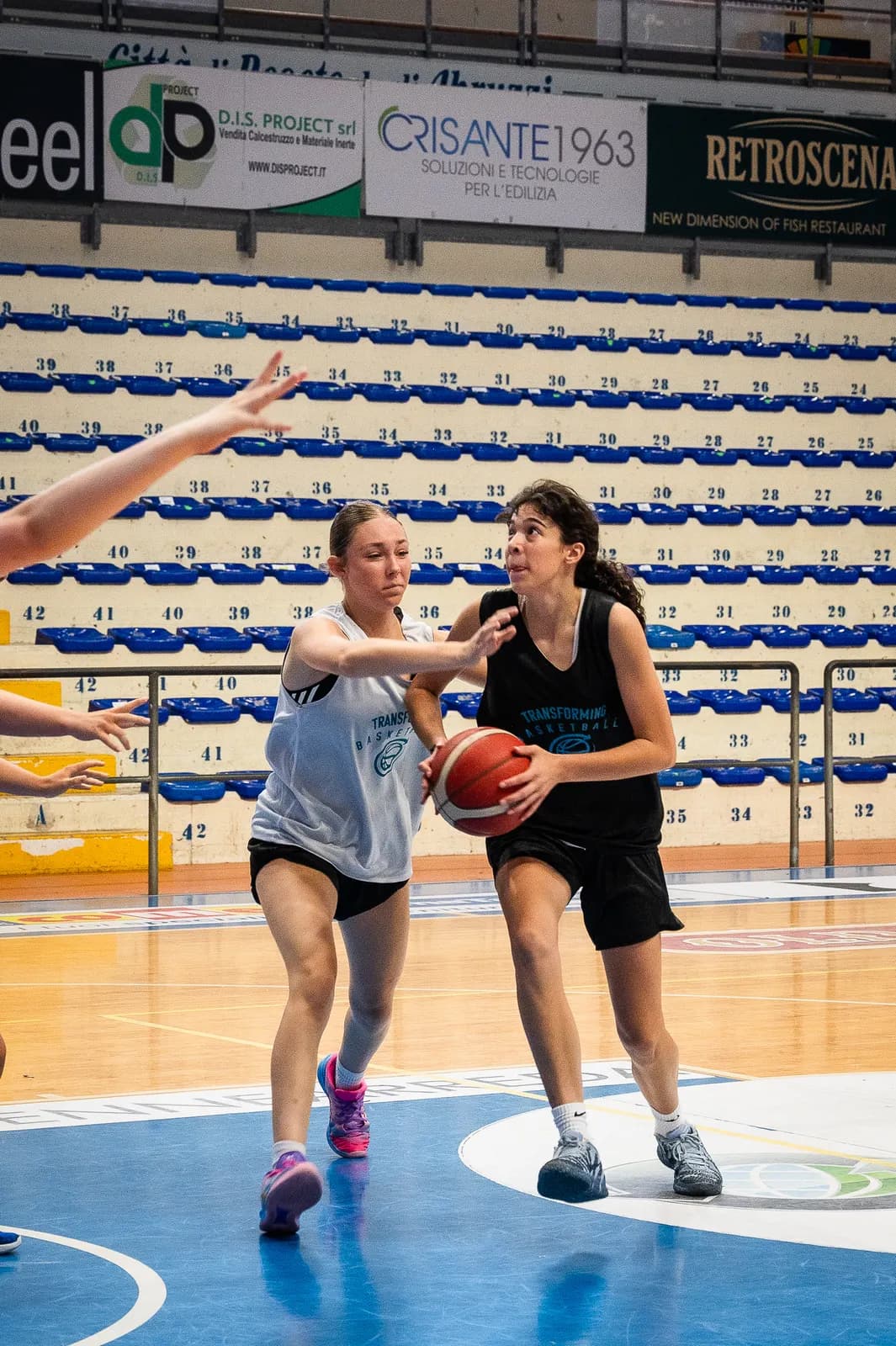
The on-ball defender is reading a drive, the helper is deciding when to leave, and the next defender is judging a closeout, all within the same possession.
That is why defensive practice needs an offense the defense cannot predict. Once defenders know what is coming, they stop needing to read anything. Give players shared defensive principles, then let them apply them against offensive players who are genuinely trying to score.
Worked example
Use a live closeout to begin the possession. How do you connect closeouts with the next defensive decision?
Closeouts are among the most common situations in a game. Start the possession from one, so the closeout leads into help and rotation instead of ending at the catch.
A pass to a receiver starts live 3-on-3. The offense can shoot, drive or pass.
Alternative start: begin from a scramble situation, with defenders out of position and closing out to a shooter.
Name each receiver as a hot, cold or normal closeout. Hot runs a great shooter off the line; cold gives a poor shooter space and takes away the drive.
If the offense repeats one solution, change the receiver or the starting space. Score stops only after the rebound.
Does the closeout fit the threat, and do the other defenders help and recover together after the drive or pass?
The foundations
In these 1-on-1 activities, neutral describes a chest-to-chest relationship without an immediate advantage for either player. If the offense gains a step, the defender tries to recover while the offensive player tries to keep that advantage. The useful distance still depends on the player’s shooting range, speed and the help behind the play.
MIG, the most important guy or girl, names the helper whose response matters most to the next action. The role moves with the ball and the drive, so help defenders read both their own player and the developing advantage.
Closeouts can differ with the threat. A hot closeout runs a great shooter off the line and makes them drive; a cold closeout gives a poor shooter more space and takes away the drive; a normal closeout sits in between. The label is shared language, while the distance is still read live.
Defense does not only react. Trapping, top-locking a skilled player, leaving a non-shooter open or mixing pick-and-roll coverages changes which actions the offense can begin, and can take them by surprise at the right moment.
Why it matters
A walkthrough can introduce a coverage and the language your team uses. Live practice asks defenders to use that understanding against players who can shoot, drive and pass. If the offense repeats a known pattern, defenders can move before the information they would need in a game appears.
Let receivers choose how to use the space. Continue a closeout into the drive, pass, help and rebound, rather than ending the activity when the defender reaches the ball. When the task is too difficult, adjust the starting advantage or reduce the number of players while keeping a real offensive problem.
Guided defense gives a defender a particular coverage intention. The defender should still respond realistically and try to affect the possession. Mistakes alone do not demonstrate learning: observe whether defenders improve their responses over time and can use them when the situation changes.
On the floor
Decide how the team defends the ball, when it helps, how it rotates when an advantage is conceded and which coverages it uses for two-person actions. Start with a small number and add more as players find solutions.
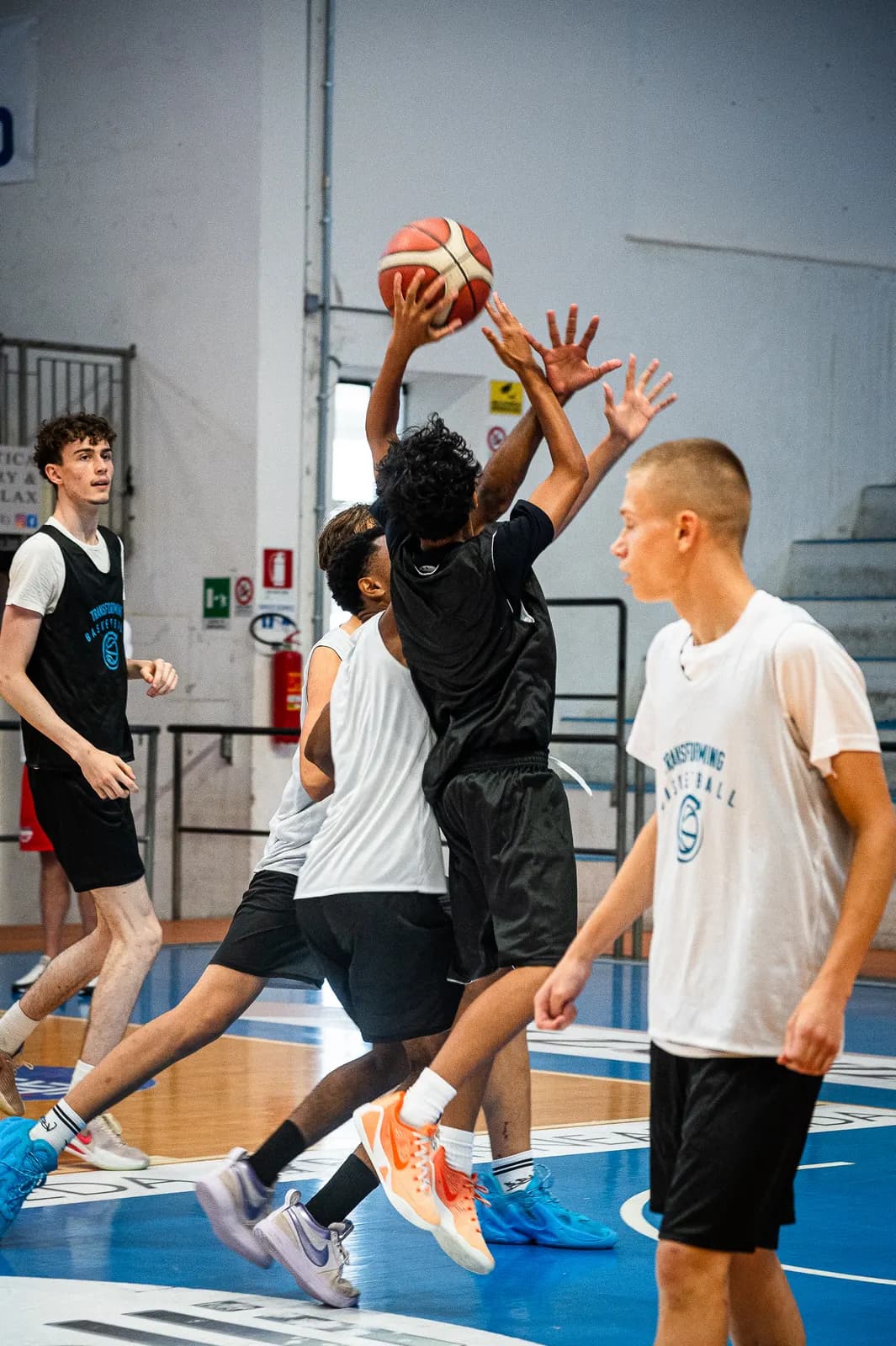
In closeout work, the receiver can shoot or drive. In help work, include the player whose defender may leave. If the offense repeats one pattern, the defense stops reading.
When a coach or player defends as a guide, vary the coverage without warning and keep competing for the ball. An exaggerated movement that cues the offense teaches both sides the wrong information.
Ask which coverage worked against which player and why. Over time, defenders can choose coverages based on who they are and whom they are guarding.
Avoid these
A shell in which the offense repeats a base pattern lets defenders rehearse positions without reading anything.
Instead: Allow the offense to go away from the pattern and attack for real. Expect more mistakes at first and treat them as information.
Closing out to a player who never shoots or drives removes the judgment that makes a closeout work.
Instead: Start a live 1-on-1 or 3-on-3 from the closeout, so the offense decides and the defender has to read the threat.
A coach who steps aside to cue the correct pass trains the offense to wait for a signal that will not appear in a game.
Instead: Keep the guide unpredictable and competitive, with a genuine chance to steal or block the ball.
When the defense exists only to make an offensive action look good, half the players on the floor have no problem to solve.
Instead: Give the defense its own intention and a way to score, such as a point for a stop or for forcing a non-rim paint shot.
Take it to practice
Starting points to shape for your group. Pick one, then adjust the numbers and scoring.
Free coaching resource
21 small-sided games you can run and adapt at your next practice — representative, game-like activities built around the Transforming Basketball approach.
A broader collection of live games you can adapt to this topic, rather than a dedicated chapter on it.
Watch, listen & read
A few clips, conversations and reads to go deeper — then the whole library is one link away.
Transforming Basketball
Watch for: Watch the possession through the contest and rebound. What does the scoring reward?
Questions
Play live 1-on-1 from different starts, such as blind, hip and check-it, so the defender practices recovering to neutral from different disadvantages. Score stops, and watch whether they keep pressure on without giving up a direct drive.
Give the receiver a real choice to shoot or drive, then continue the possession. Shared labels such as hot, cold and normal closeouts help defenders talk about the threat, while the distance is still read live. Add teammates when the problem includes rotation.
A walkthrough can introduce positions and shared language. To practice responding to the offense, let players depart from a repeated pattern and use genuine shooting, driving and passing opportunities. Observe what the defense does when those opportunities change.
Agree a small number of calls and use them in the situations they describe. Check whether teammates can act on the information. Naming the screen direction or help responsibility is more useful than asking for noise alone.
Yes. Give the defender an accurate coverage intention and room to respond. Changing the coverage lets them experience how their positioning affects the offense and what the next defensive action requires.

The Transforming perspective
If a player can tell before an activity begins exactly how they will need to behave, it is not preparing them for basketball. Defense improves when defenders face an offense they have to read.
Behind the methodology
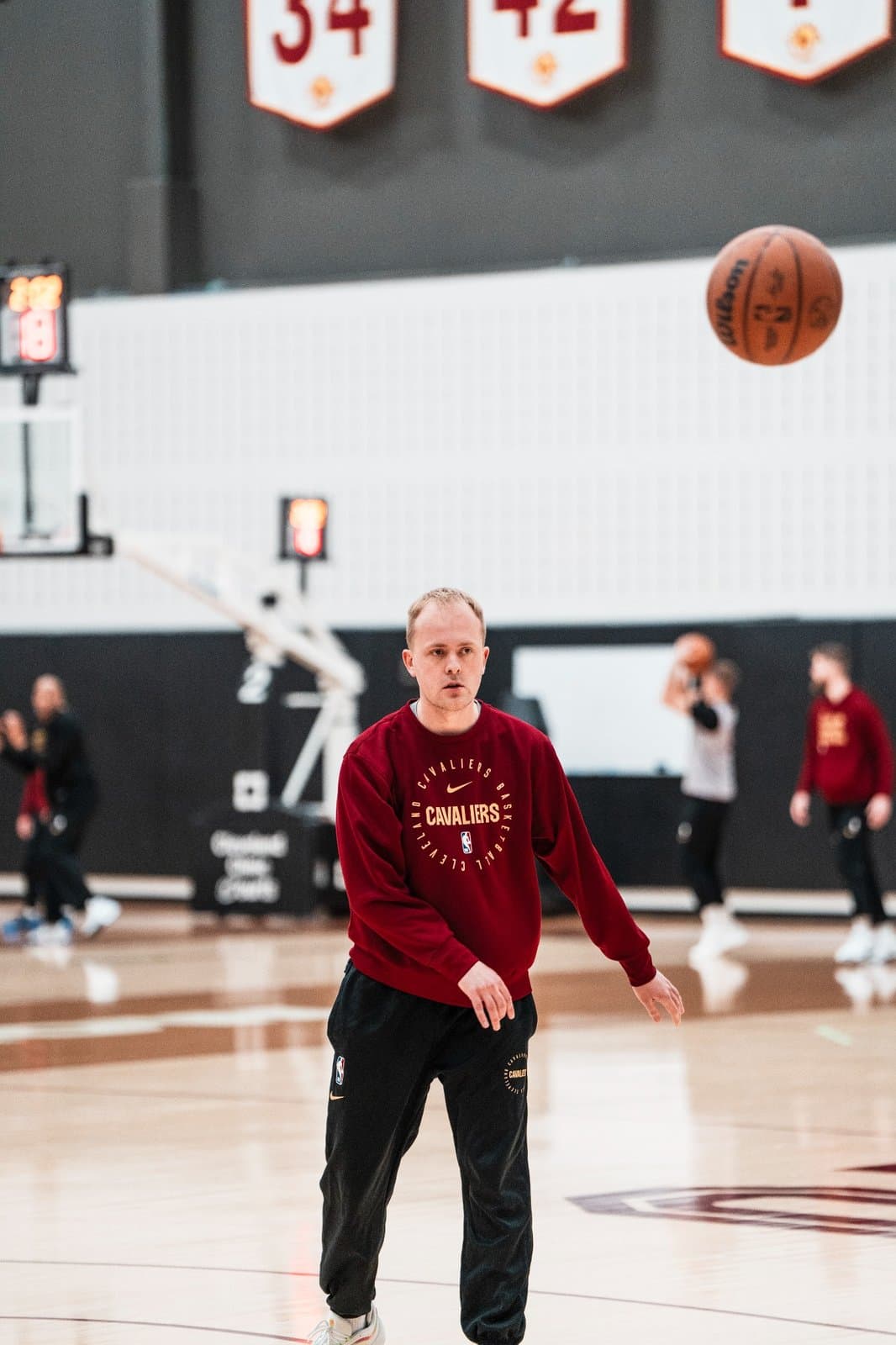
Alex Sarama is the founder of Transforming Basketball and Head Coach of the WNBA's Portland Fire. Previously, he served as Assistant Coach and Director of Player Development with the Cleveland Cavaliers.
His wider experience includes NBA Europe in Madrid, Paris Basketball in the EuroCup and the Rip City Remix, the Portland Trail Blazers' G League affiliate. Alex has delivered coaching education internationally and is the author of the Amazon bestselling book Transforming Basketball.

The book
The Amazon bestselling book on applying a constraints-led approach to basketball performance — the methodology behind this guide, in full.
View the book on AmazonContinue learning
Transforming resource
$49 USD
For coaches who want better practice activities they can use immediately.
Free
21 small-sided games you can run and adapt at your next practice — representative, game-like activities built around the Transforming Basketball approach.
A broader collection of live games you can adapt to this topic, rather than a dedicated chapter on it.