Read
Article
How to Use Constraints in Basketball: Playing with Time Pressure
Using time pressure as a constraint on the decisions players make.
Read article: How to Use Constraints in Basketball: Playing with Time Pressure

Idioma
Cambia el idioma del sitio. Los cursos, descargas, el pago y la entrega siguen en inglés salvo que la página indique lo contrario.
Coaching Guide
In recent years, more and more coaches are focused on optimal ways to train basketball decision-making. At Transforming Basketball, we help coaches understand how to use constraints to develop more skillful players. Constraints act as "boundaries" guiding the decisions a player makes. For instance, the position of a defender, the movement of a teammate and the space existing around the ball handler, all influence the decision to shoot, drive or pass.

To develop this in practice, give players situations where those opportunities can change. A player needs to recognize when an advantage exists, how to maintain it and when to convert it into a shot.
An advantage might be a 2-on-1, a defender recovering on a closeout or a matchup your player can attack. Playing with that advantage is what we call dominoes.
The player with the ball and their teammates have connected responsibilities. The ball-handler can attack the opening, while the other players adjust their spacing to make the next action possible.
Zero seconds, 1 can’t guard 2 and the floor is lava give players shared principles for these situations. Holding the ball gives time for the defenders to get back to neutral.
When the defense is neutral, a trigger can create an opportunity to start dominoes. A ball screen, get or off-ball screen brings players into an interaction with the defense.
Players need clearly defined coverage solutions for the triggers your team uses. The same trigger can produce different opportunities depending on how the defense responds and the strengths of the players involved.
Teach the available solutions, then let players explore them against live defenders.
Start three offensive players in different locations outside the three-point line. Two defenders begin with the ball and pass to the offense to start the possession.
Play until a score or defensive possession. Reset with the offense in different starting locations, keeping the same roles for one minute before changing.
Watch whether the offense maintains the advantage. Can the receiver make the correct decision to shoot, drive or pass before the defense recovers back to neutral? Are teammates adjusting their spacing as the ball moves?
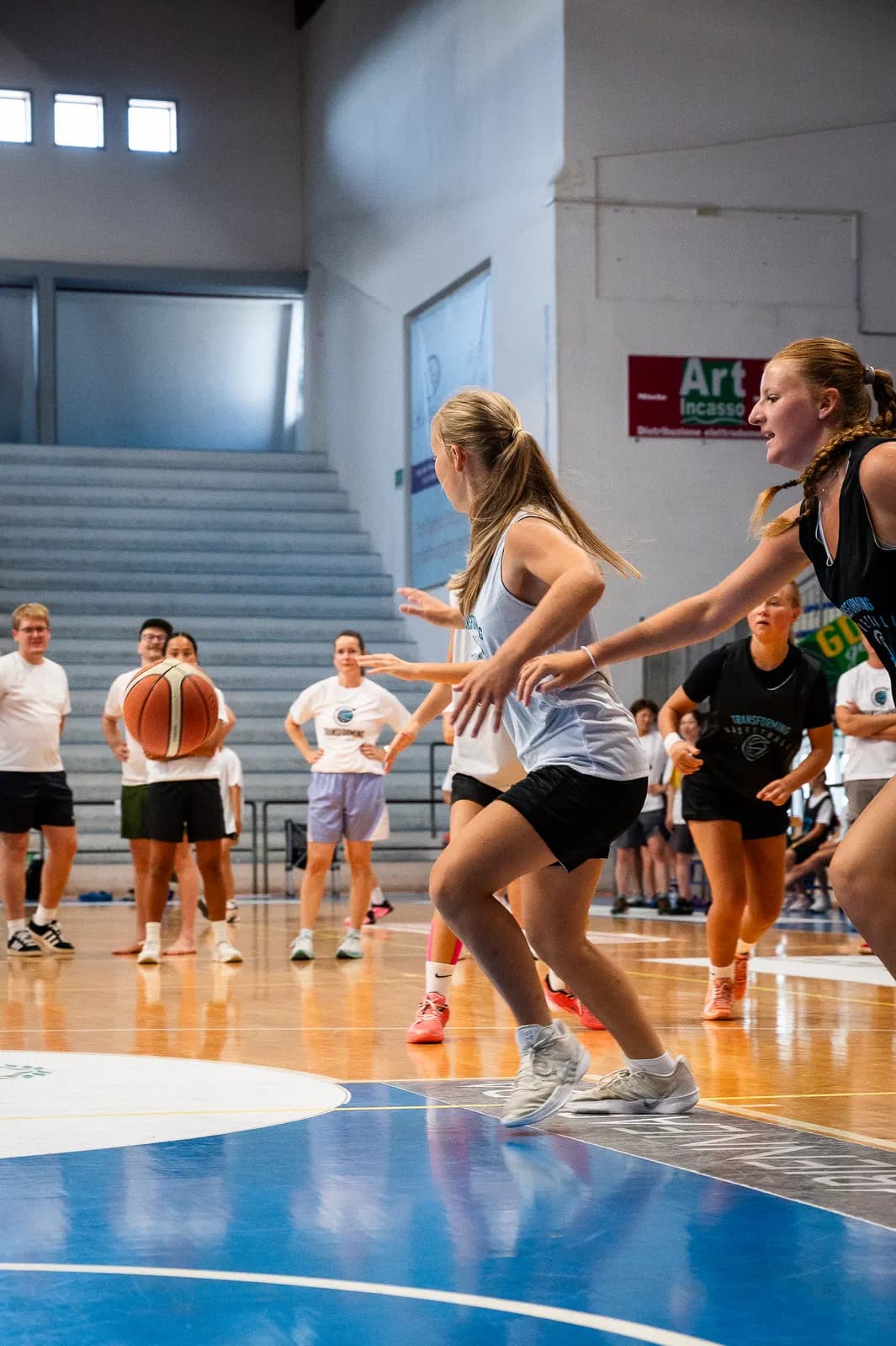
When players repeatedly miss an opportunity, consider how you can adjust the activity to bring that decision into focus. If the ball-handler struggles to recognize help, a numerical advantage can make the available pass easier to identify. If teammates are not providing passing options, changing the space can emphasize their positioning. As the coach, you can demonstrate a possible solution when needed, then give players opportunities to use it against different defensive coverages.
Article
Using time pressure as a constraint on the decisions players make.
Read article: How to Use Constraints in Basketball: Playing with Time PressureFree
A complete guide to the Dominoes concept and how it drives spacing and reads.
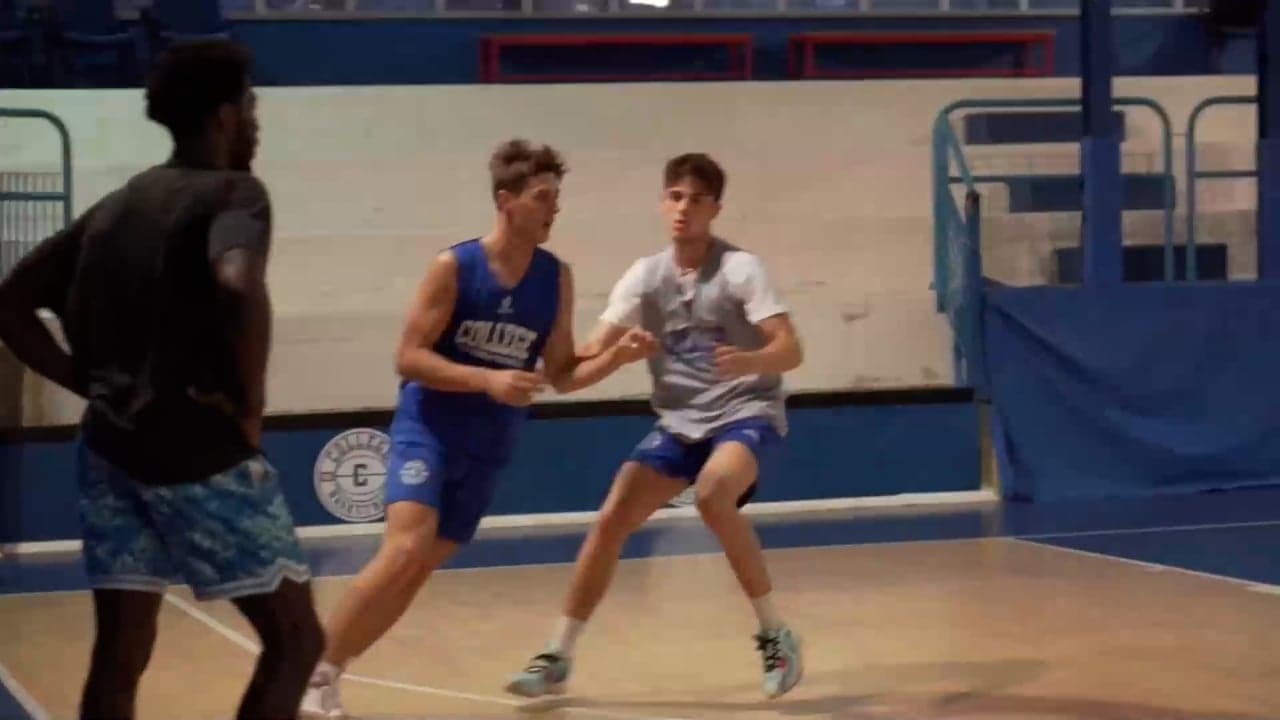
$39 USD
An on-court clinic on creating, keeping and extending advantages — spacing, zero-second decisions and the Floor Is Lava.