Transforming Basketball
Assine agoraJá é assinante? Entrar

Coaching Guide

Basketball Coaching

Basketball coaching involves selecting the situations players experience in practice and helping them find solutions they can use in games. At Transforming Basketball, we use constraints to guide this process. The coach identifies what is limiting the players, designs an activity and adjusts it based on what happens.

2 min read
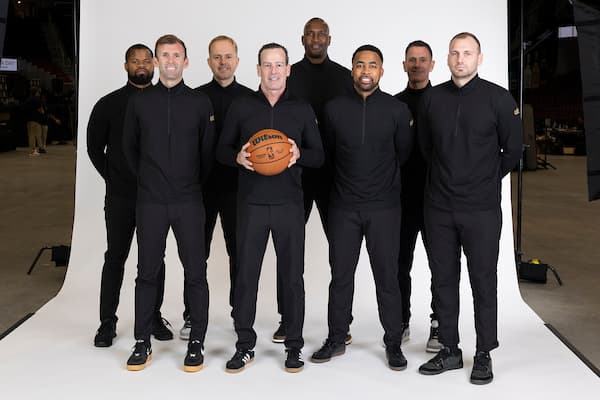
Alex Sarama with the Cleveland Cavaliers coaching staff on media day

Players still need clear explanations, demonstrations and feedback. The coach’s task is to connect that support to the situation the player is experiencing.

Start With a Rate Limiter

Choose a rate limiter you can address on court. If your team loses an advantage after a drive and kick, identify where the possession breaks down. Is the pass inaccurate, is the receiver holding the ball or are teammates standing where one defender can guard two?

Select an activity that includes that interaction. A temporary advantage game can allow players to work on receiving the ball and making the next decision before the defense recovers back to neutral.

How to Run a Basketball Practice using the CLAWatch how those ideas influence a practice session.

Make Feedback Specific to What Is Happening

A ball-handler may repeatedly miss a weak-side defender helping on a pick and roll. You can direct their attention to that defender's position without requiring a skip pass on every repetition. The defender may recover on the next possession, or the teammate may move somewhere else.

This makes the feedback useful while leaving the decision with the player. A short explanation or demonstration can be appropriate when an option is unfamiliar. Return to live play so the player can explore when it works.

Observe Before Giving the Next Instruction

After explaining the activity, allow players to experience several possessions. Watch whether the difficulty comes from recognizing an opportunity, using a solution or the conditions of the activity.

If the receiver repeatedly holds the ball, ask what they noticed when the pass arrived. You may need to demonstrate an available solution or give the offense more time by moving the recovering defender farther away.

Resume play and observe the next decisions. Keep your feedback connected to what is happening, rather than explaining every possible outcome before the activity begins.

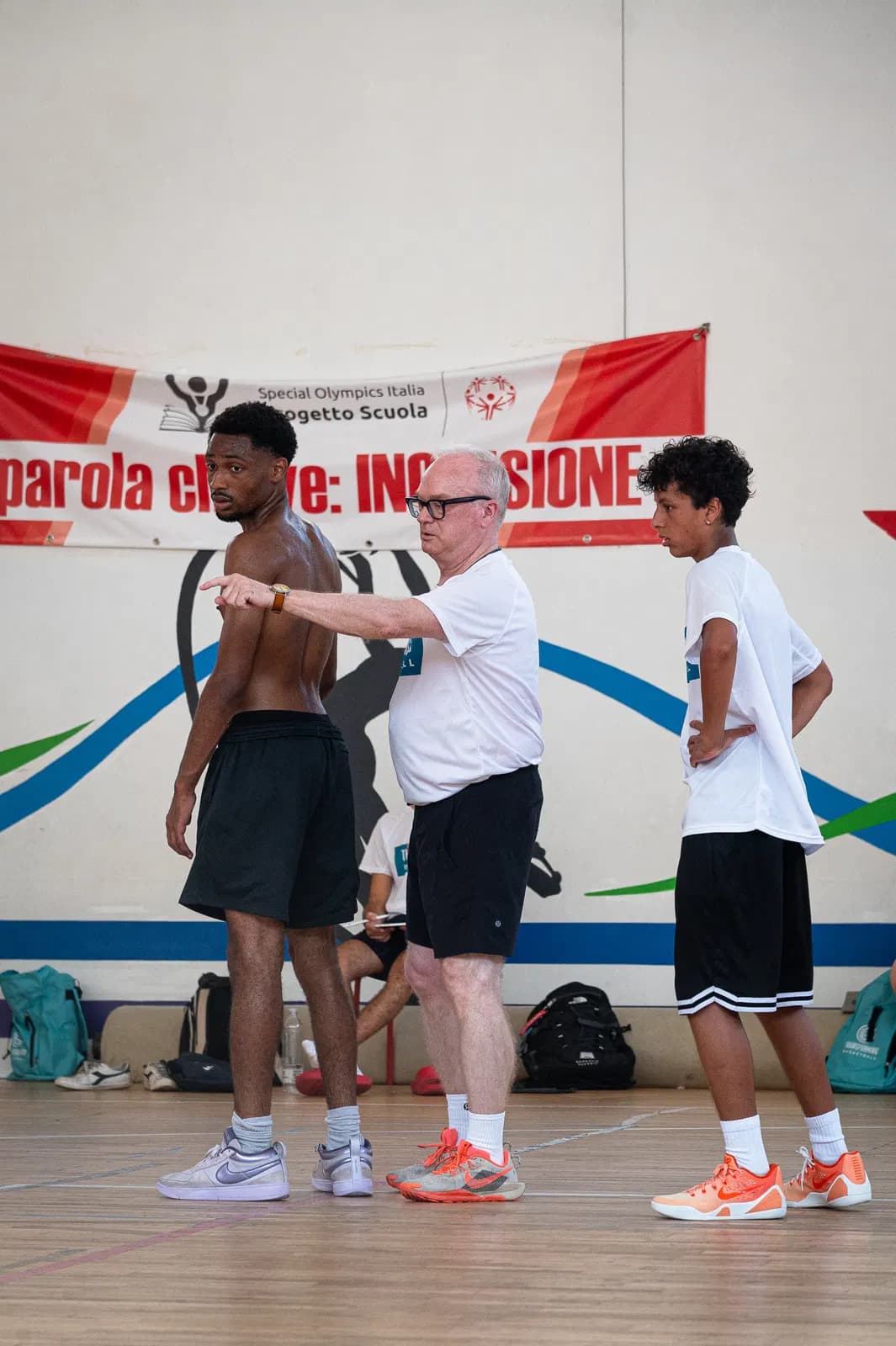
A coach demonstrating a movement to players during an indoor camp session

Connect the Individual and the Team

Players differ in their capabilities and histories. Shared principles can coexist with different solutions: one player may create an opening through speed, another through a pass that exploits help.

Use individual development work to explore the game situations that matter to that player. Review their responses over time and adjust the task rather than assuming one activity serves everyone in the same way.

Evidence-Based Player Development Tips in BasketballExplore the ideas informing Transforming's approach to coaching.

Explore basketball coaching

Keep learning

Free

Coaching Clinic with Alex Sarama

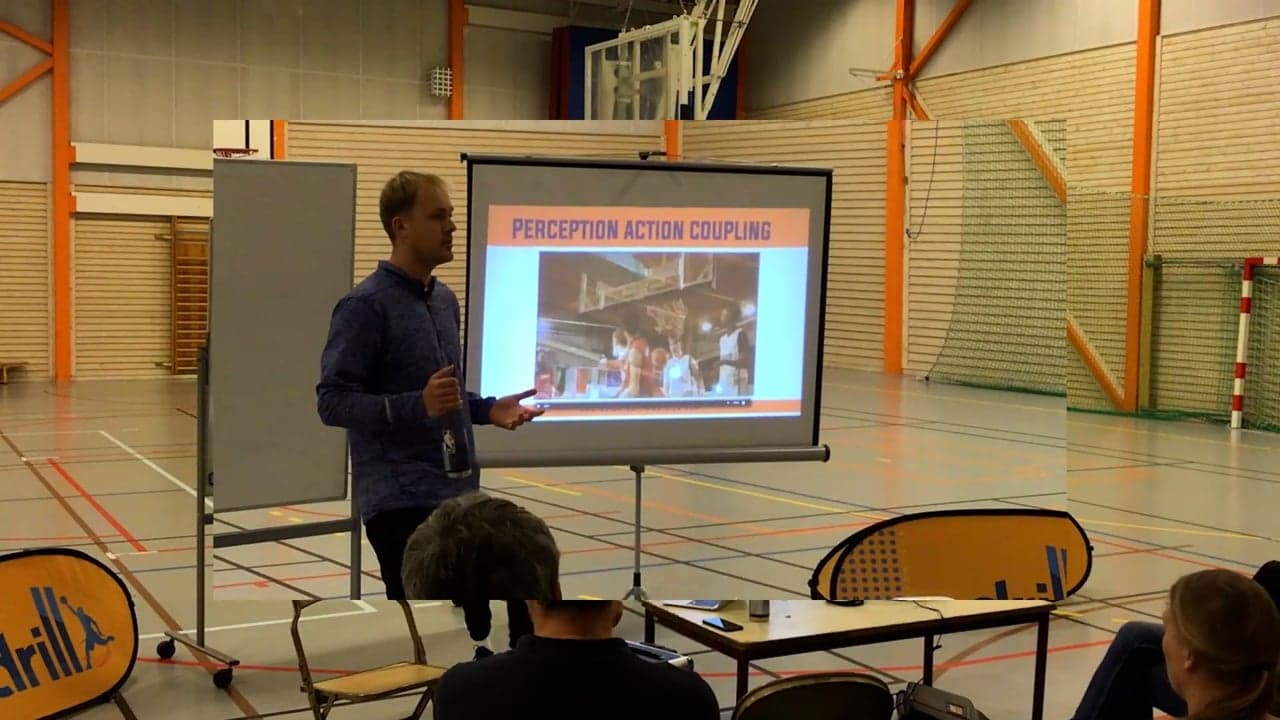
A coaching clinic session with founder Alex Sarama covering the Transforming Basketball approach.

Enviaremos o recurso por e-mail e, ocasionalmente, ideias de treino. Cancele quando quiser. Política de Privacidade.

Idioma do recurso: inglês. O download gratuito e os e-mails de acompanhamento estão atualmente apenas em inglês.

Still from the Introduction to the Constraints-Led Approach clinic overview.

Introduction to the Constraints-Led Approach

$49 USD

For coaches who want to understand how the Constraints-Led Approach applies to basketball.