Transforming Basketball
Rejoindre l'abonnementDéjà membre ? Se connecter

Coaching Guide

Youth Basketball Coaching

Coaching youth basketball requires coaches to adapt the activity to the players in front of them. A beginner may struggle against a fully live defender, but removing the defender also removes information that helps the player decide what to do. By constraining the defender, coaches can make the activity easier while keeping the interaction between offense and defense.

2 min read
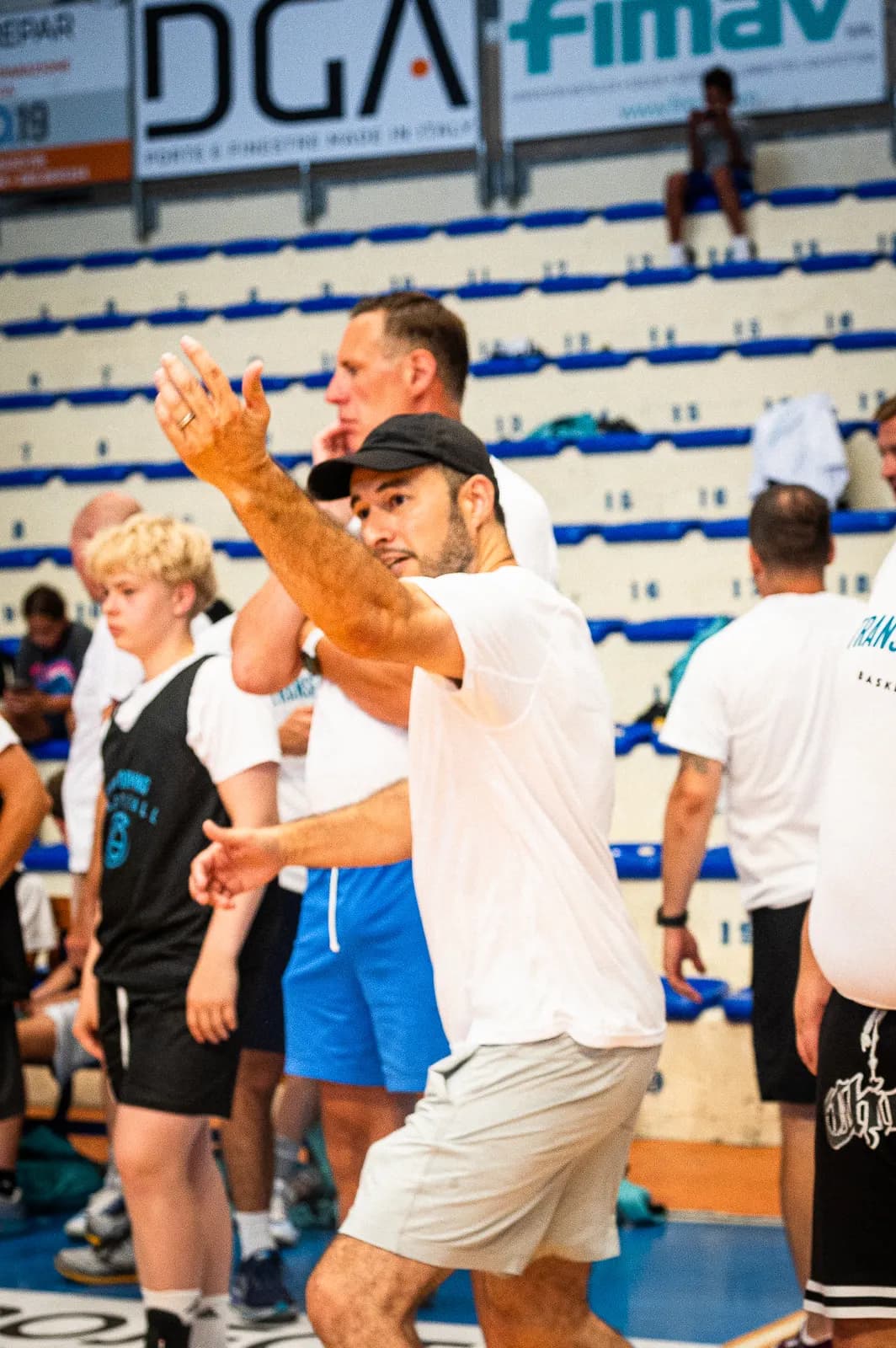
A Transforming Basketball coach gesturing as he gives instructions to young players at the Roseto camp

Give the Offense an Initial Advantage

In a 1-on-1 activity, start the defender beside the offensive player. The defender can move when the offense begins dribbling. This gives the ball-handler an opportunity to attack while the defender tries to recover.

To make the activity easier, start the defender farther behind. To make it harder, reduce the head start.

Watch whether the offensive player can use the initial advantage to reach the basket. Adjust the starting position for individual players rather than expecting every player to succeed under the same conditions.

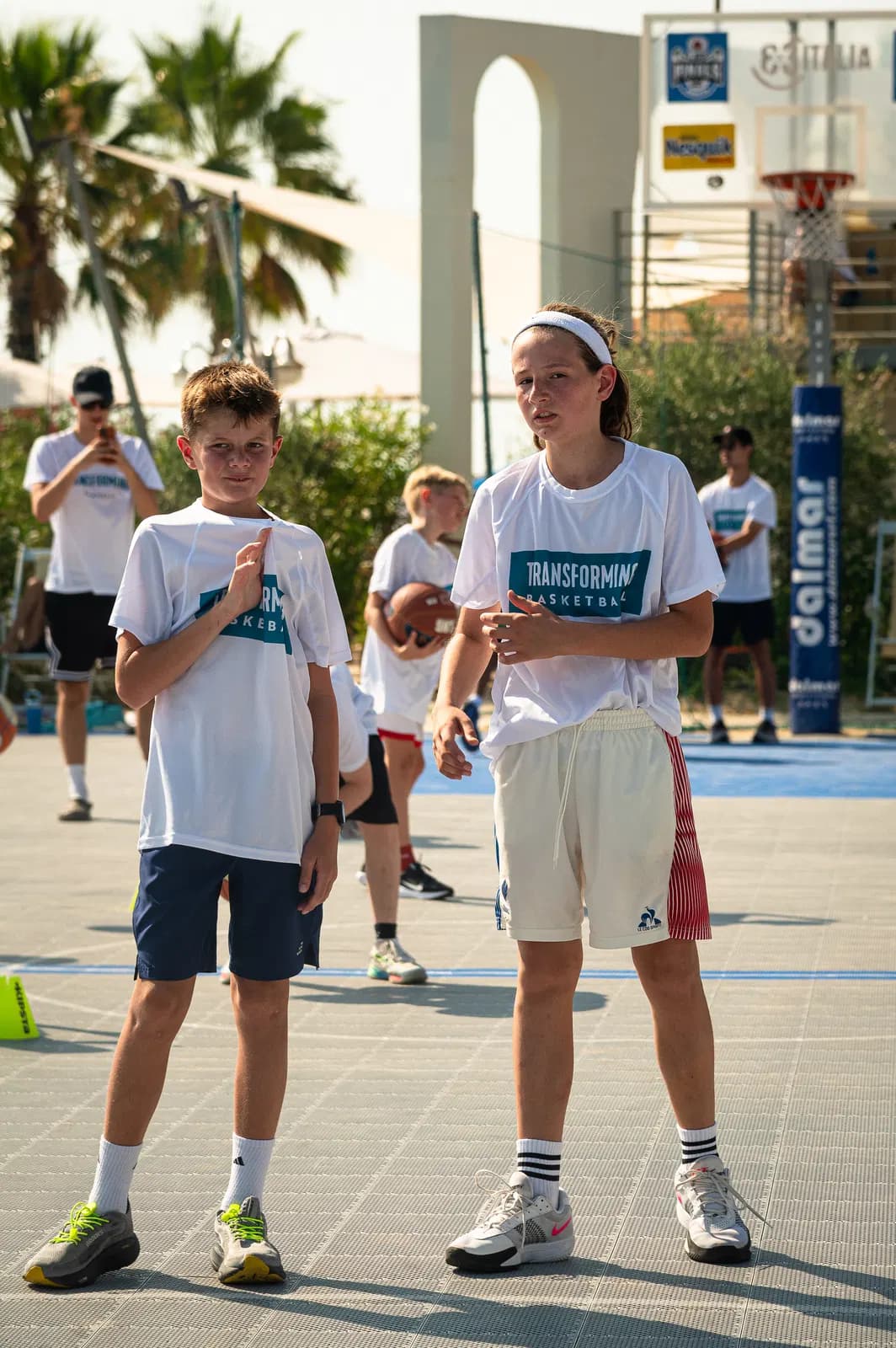
Young players listening on an outdoor court during a Transforming camp session

Constrain What the Defender Can Do

Changing the starting position is one option. You can also constrain the defender to using one hand or prevent them from jumping.

These changes allow the offensive player more opportunities to explore a solution. The defender can still move and influence the outcome, so the child has someone to respond to.

As players become more comfortable, remove a restriction and observe how the interaction changes.

Give Players More Than One Solution

Play 2-on-1 with a ball-handler, a teammate and a defender. The defender tries to get their chest in front of the ball-handler to prevent them from advancing. The ball-handler can find a way past or pass to their teammate.

The teammate must move to provide a passing option as the defender changes position. This gives both offensive players something to recognize: whether to continue with the ball, and where to move to receive it.

Adapt Shooting to the Child

The basket height, ball size and shooting distance all influence the solutions available to a young player.

Use shooting locations within each player’s range. A lower basket or lighter ball may also make the activity more appropriate. Players of the same age may need different conditions.

Use the ROB concept—range, open and balanced—to help players understand shot quality. For younger players, a good opportunity may be a shorter shot rather than a three.

Include Exploration With the Ball

With very young children, not every activity needs an opponent. Playful movement and varied dribbling or shooting activities can give children opportunities to explore what they can do with the ball.

Combine these with simple games involving defenders and teammates. Keep instructions short and adjust the challenge based on how the children respond.

What YOUTH PRACTICES Really Need to Look Like - U11 Dribbling Activities with George VazWhich changes would make this activity suitable for the children you coach?

Explore youth coaching

Keep learning

Free

Free U12 Practice Plan Template

A practice plan template designed for the U12 age group.

Nous vous enverrons la ressource par e-mail, ainsi que des conseils de coaching occasionnels. Désinscription possible à tout moment. Politique de confidentialité.

Langue de la ressource : anglais. Le téléchargement gratuit et les e-mails de suivi sont actuellement en anglais uniquement.

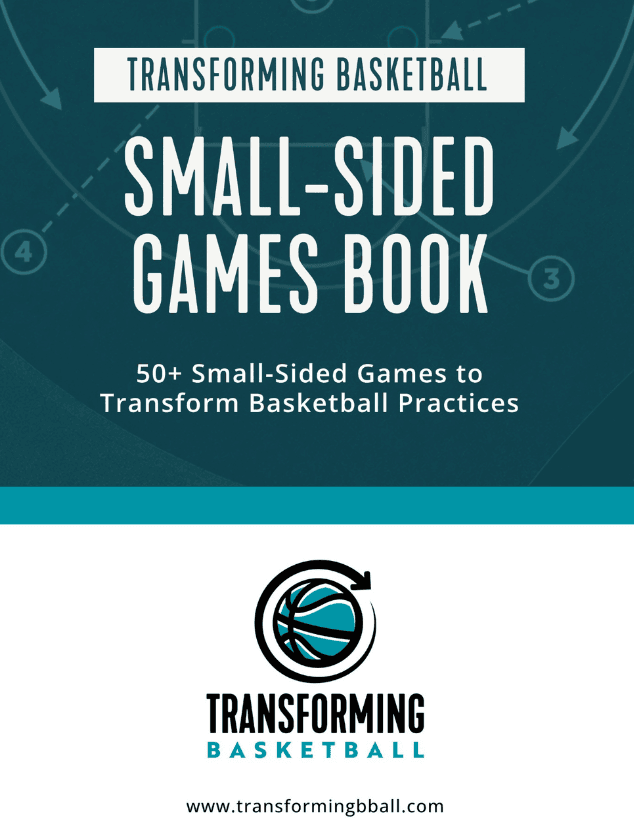
Cover of the Small-Sided Games Book PDF.

The Small-Sided Games Book

$49 USD

Go beyond your first 21 games. Build your practice around 50+ small-sided games, with diagrams and constraints you can adapt to your players.