
Coaching guide · Youth basketball
Youth Basketball Coaching
A beginner may struggle against a fully live defender. But take the defender away and you also take away key information for the offensive player: where the defender is, whether there is room to drive, who is open. In this guide, learn how to use the constraints-led approach (CLA) even with beginners.
11 min read
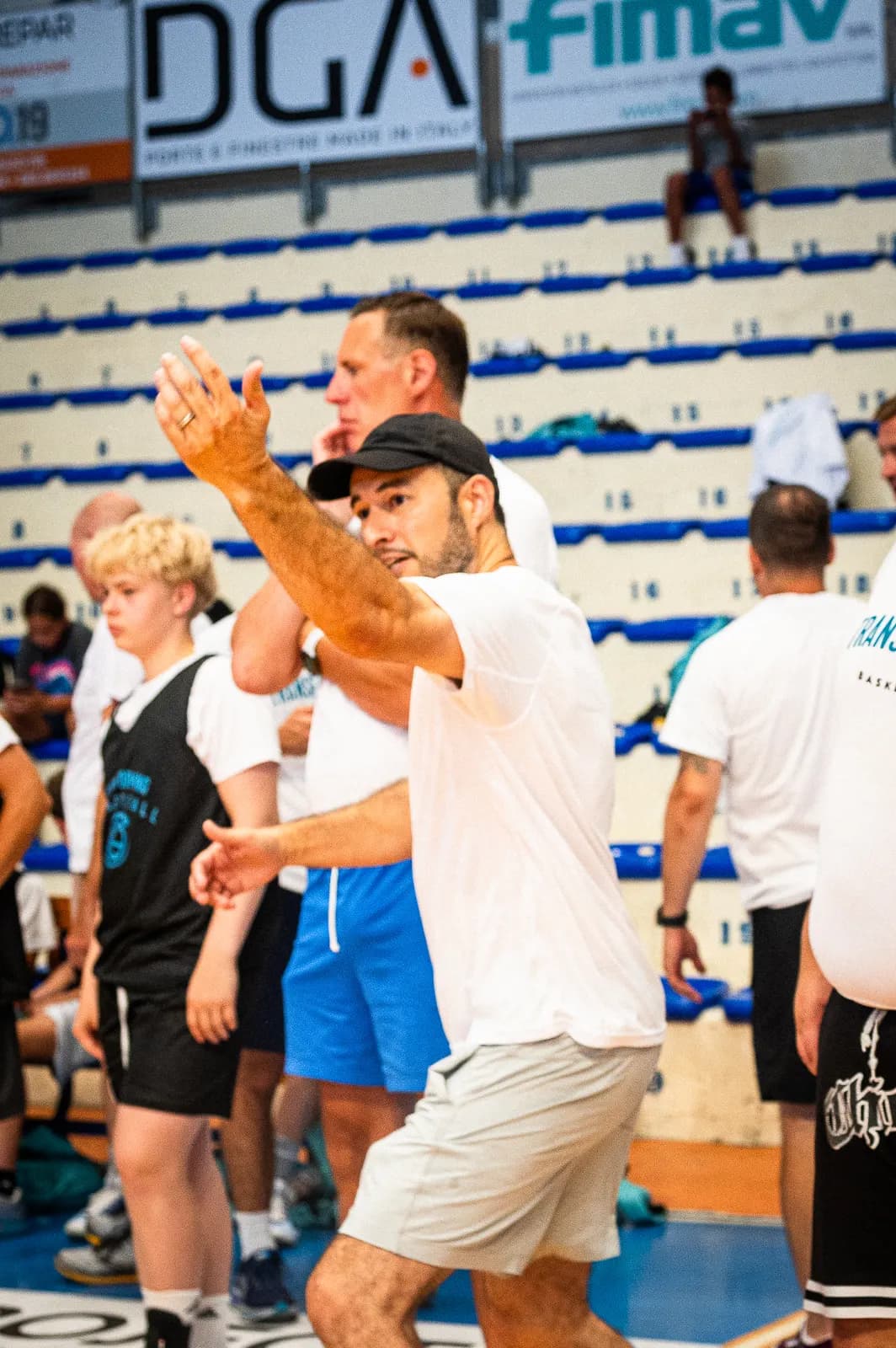
Many coaches start with technique first: stationary dribbling, form shooting and chest passes in lines, with small-sided games saved for later. That is why so many young players look comfortable in a line, but then struggle to succeed in game situations. Instead, coaches can use a constraints-led approach immediately. By constraining the defense, using a smaller ball on a lower rim and giving the offense a bigger advantage, youth players can accelerate their learning in a more engaging practice environment.
The easiest place to start is a 1-on-1 where a beginner has a bigger advantage. Give the offense a large head start (for example, the defense trailing by 2 feet), so more functional 1-on-1 solutions can emerge.
1-on-1 with a head start
Pairs, one basketA 1-on-1 that beginners can win, so they learn to read the defender instead of being beaten by one.
How it works
- Start the defender beside the offensive player.
- The defender can only move when the offense starts dribbling.
- Watch whether the offensive player uses the advantage to reach the basket.
Adapt it
- Too hard for the offense: start the defender farther behind.
- Too easy: shrink the head start.
- Coach version, from Mike MacKay: the offense and defense sprint to a coach on the wing. The coach holds the ball on the inside hip for the offense and an outside hand up that the defender must high five before recovering. The farther back the hand, the bigger the head start, and you can change it for each player without anyone feeling different.
Watch for
- Is each player starting from a head start that suits them, rather than everyone playing under the same conditions?
Why Fundamentals First Doesn't Transfer
Beginners are given one version of each skill, with the defender, the space and the teammates taken out. This is called task decomposition: breaking the game into pieces and removing the information players need to act. Most youth programs still run this way, with technique drilled first and games saved for the end.
However, the process of human movement is the same for a 7 year old beginner and a 35 year old pro. Ecological dynamics tells us that people don't learn well when coaches teach techniques and give very specific internal feedback on how players should supposedly move. So beginners and pros both learn better in environments where perception and action are coupled, with players finding their own effective movement solutions instead of using prescribed techniques.
For example, coaches often drill the traditional 1-2 layup with the "correct" hand for youth players, then years later teach creative finishes as "advanced finishing moves". How many of these solutions could have emerged from the start if players had learned against a defender in a CLA environment?
This doesn't mean rolling the balls out. Playing 5-on-5, or generic 2-on-2 and 3-on-3, won't give beginners enough opportunities to become skilled players. Designing very specific small-sided games is covered in our free guide to using the constraints-led approach with beginners.

Free
21 SSGs for Your Next Practice
21 small-sided games you can run and adapt at your next practice, each one keeping the defenders, decisions and scoring of the real game.
Make the Game Easier, Don't Take It Away
When a game is too hard, the instinct is to take the defender away and drill the "skill" (in other words, the technique) 1-on-0. But skill and technique are two different things. A youth player needs to play against a defender constantly to understand how their spacing and positioning shape the dribbling and finishing solutions they use in response to how they are defended. If the defense is too challenging, it can be made easier through constraints. For example, the defender can only use one hand, or isn't allowed to jump.
| Lever | Examples |
|---|---|
| Equipment scaling | A smaller ball, a lower hoop, a closer three point line marked with floor mats |
| Numerical advantage | 2-on-1 instead of 1-on-1, or both offensive players keep a ball |
| Increased advantage | The defender starts beside the offensive player and moves on the first dribble, or starts two steps behind |
| Larger space | Play across a bigger area so players aren't bunched |
| Two or three baskets | The offense chooses which basket to score on. In a cross court game, all three baskets count |
| Constrain the defense | No jumping (points to the offense if they do), one hand only, holding a bib or a ball, dribbling a ball, limited steps, a spatial limit, or only four seconds to move |
Before you add a rule, ask which behavior it should encourage in your players, then keep adjusting until the challenge fits, for the whole team or for one player.
Constrain the Defense, Don't Remove It
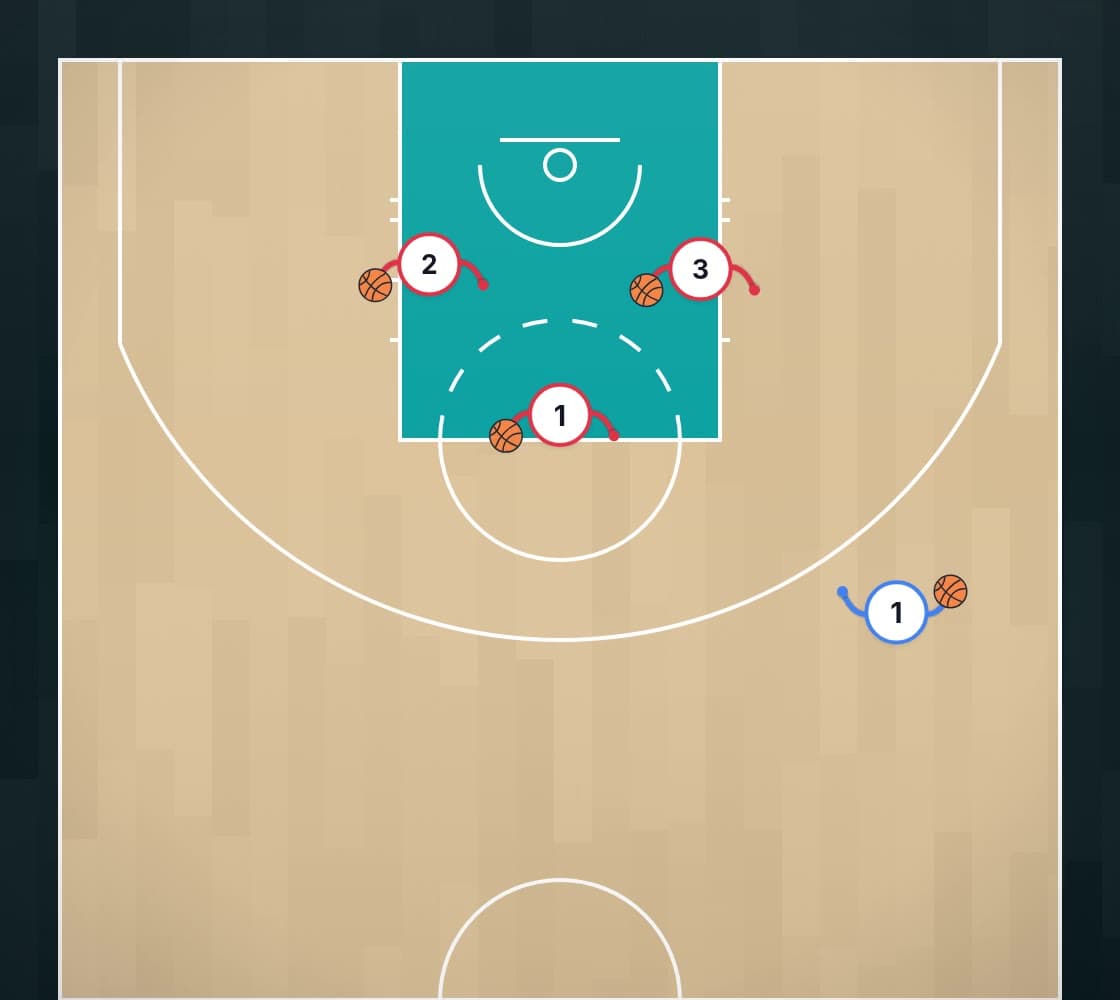
1-on-3 Statues takes this furthest. The defenders barely move, so beginners get finishing reps in a crowded space while still having defenders to read. As players get comfortable, let the statues move and watch how the game changes.
1-on-3 Statues
4 players (or more, with two offensive players going at once)Ball handling and finishing in a crowded space, with defenders who can barely move.
How it works
- Three defenders are "statues" holding a ball.
- Offensive players drive to score.
- To begin, the statues can't move.
Adapt it
- Too hard for the offense: keep the statues still for longer.
- Too easy: statues can take one or two steps.
- The offense has to find space for the finish inside the paint, and gold medal shots (finishes at the rim) are worth 3 points.
- Let two offensive players go at the same time.
Watch for
- Do players look for the space between the statues, or drive into them?
Give Players More Than One Solution
Play 2-on-1 with a ball handler, a teammate and a defender. The ball handler can get past the defender or pass to the teammate, who has to move to give a passing option as the defender changes position. That gives both offensive players something to read: whether to keep the ball, and where to go to receive it. Players remember a game by its name, so give it one, like Bus Stop below, Alligators (get from one sideline to the other past defenders in the "river") or Sheep and Wolves.
Bus Stop
Pairs of buddies against a defenderGive the ball handler more than one solution: get past the defender, or pass to a buddy who has moved to stay available.
How it works
- Players work with a buddy.
- A defender tries to get their chest in front of the ball handler, which stops the bus.
- The ball handler finds a way past or passes to their buddy.
- The buddy has to move to stay available as the defender shifts.
Adapt it
- Don't prescribe what players have to do. Say the defender will try to get in front and let them work out what to do with their buddy.
Watch for
- Does the buddy keep moving to give the ball handler a passing window?
Fix the Equipment, Then the Shot
Equipment scaling is the most important constraint at this age. With an adult ball on a 10 foot rim, many younger players can't act on the chance to pass or shoot over distance at all, so they never learn to see those chances. If money is tight, buy smaller basketballs first and find lower hoops second. Sam Funnell came on the Transforming Basketball podcast and shared a highly creative idea for how she uses equipment scaling in practice: six extra hoops lowered to around 7 or 8 feet depending on the age group, with size 5 balls. Players who are succeeding at one height get the rim raised to prepare them for the next age group.
Without lower rims, use floor mats to mark a closer three point line. Mini-basket (under 11 basketball in Europe) solves this by rule: many federations require a shorter court, a smaller ball, an 8 foot hoop and a shorter three point line.
| Change | What we suggest |
|---|---|
| Ball size | Size 5 for U8, U10 and U12. Boys move to size 6 at U14 and size 7 at U16 and above; girls use size 6 from U14. |
| Rim height | 8 feet for U8, 8 feet 6 inches for U10, 10 feet for U12 |
| Free throw line | U8 shoot from the inner edge of the jump ball circle; U10 to U12 move about 3 feet closer; U14 and above use the standard line |
| Three point line | Use the inner (junior) line where a court has two, and the outer line from U14 |
These recommendations come from Table 3.5 of A Constraints-Led Approach to Coaching Basketball (Routledge), written by Alex Sarama, Alex Lascu, George Vaz Rocha and Neil Houghton.
Research on scaling shows why this matters for coaches.
Shot distance matters too. Choose shooting locations within each player's range, and remember that players of the same age may need different conditions. We use ROB (range, open, balanced) to describe shot quality, and for younger players a good shot is often a shorter one rather than a three. Where local rules allow, a few rule changes help: no zone defense from U8 to U14, because playing zone reduces the chances young players get to develop on and off ball defensive awareness; a variable shot clock in practice; and for U8 and below, short 3-on-3 half court games, which give everyone more touches and let 12 players be active on one court. If you face a zone in the meantime, see 4 creative ways to beat a zone defense in youth basketball.
When a Game Doesn't Need a Defender
With players under 10, a shooting or dribbling game without a defender is fine as long as it's variable and avoids teaching a very specific technique. Playful interactions with the ball give players room to find what they can and can't do. Keep instructions short.
This U11 clip shows a dribbling activity where no "right way" to dribble is demonstrated.
Even players as young as four can play a finishing game without an opponent. Every player has a ball and starts from a floor marker, then has a time limit to dribble to a hoop and shoot. Add a constraint (finish off two feet, off one foot, or change hands or direction first) and, with two to four players arriving at the same basket, some jump stop and pivot while others stride stop or go off one foot. Players find space and a finishing window because they have to.
“Despite being young and the misconception of needing ‘fundamentals’ or ‘perfection’ before they play games or compete, even the youngest players are more capable than what we often believe.”
Keep Practice Fun
Expect young players to arrive wound up, often straight from six hours in a classroom. Keep the rules for attention playful: when the coach talks, the balls go down between the players' feet ("penguins"), and a quick round of Coach Says pulls a drifting group back in. When practice is fun, players come in faster when called and listen more closely, because they want to get back to playing.
A Ladder from U8 to U14
A shared set of terms lets each age group build on the last, so players don't start from ground zero every season with a new coach. These are the starting principles we use at each age.
| Age group | Starting principles |
|---|---|
| U8 | Two ideas: the smile (the area under the basket) and gold medal shots (finishes inside the smile). Enough for shooting, running, passing, dribbling and shot selection at once. |
| U10 | A five second (or five dribble) passing rule; floor is lava in the paint (no standing there, so players spread out); five floor markers at the corners, wings and top. See Youth Basketball Principles of Play for Beginners. |
| U12 | Gold medals first, then dominoes and no pass and cut. The full list is on the U12 practice plan. |
| U14 | Dominoes plus simple triggers such as gets. The full list is on the U14 practice plan. |
Dominoes is our name for keeping an advantage alive pass after pass until a good shot appears. A get is a dribble hand off: one player passes to a teammate, who gives the ball back as they cut by. At U10, leave out cuts without the ball and pass and cut. Players that age struggle to have the strength to catch and pass cleanly, so doing it on the move is harder still. Aim for "better, but not perfect" spacing, which is realistic at that age. For U10 to U14 sessions, see how to plan your youth basketball practices and read and react offense in youth basketball.
What a Session Looks Like
Three ages have complete sessions. The U10 practice plan is built on games for young beginners, the U12 practice plan runs six games with a defender in each, and the U14 practice plan adds simple triggers. With 12 players and one hoop, start with practice with one basket.
Small-sided games library
Games from This Guide in the Library
Questions Coaches Ask
How long should each activity be in a youth practice?
No more than ten minutes before you change it, and no more than thirty seconds to explain it. That is Mike MacKay's "3, 10, 30". With young players you will often change sooner, and you can change one constraint instead of the whole game.
How do you teach shooting to young players?
Let them shoot on lower hoops with smaller balls, and help only with where the power comes from (bend your knees, then jump). A simple cue is to ask the player to find a solution to shoot with one hand. Each player's solution will look different.
What if some players are much better than others?
Change the challenge for individuals without making it obvious. For a strong finisher, let the coach stand in the smile so their 1-on-1 becomes a 1-on-2, and give the same game to everyone else.
How do you run a youth practice with one hoop?
Skip the lines and run several small games on the same rim, with teams waiting instead of lines. Our practice with one basket guide has the rotations for 9 or 12 players.
Take It to Your Next Practice
Free
21 SSGs for Your Next Practice
21 small-sided games you can run and adapt at your next practice, each one keeping the defenders, decisions and scoring of the real game.
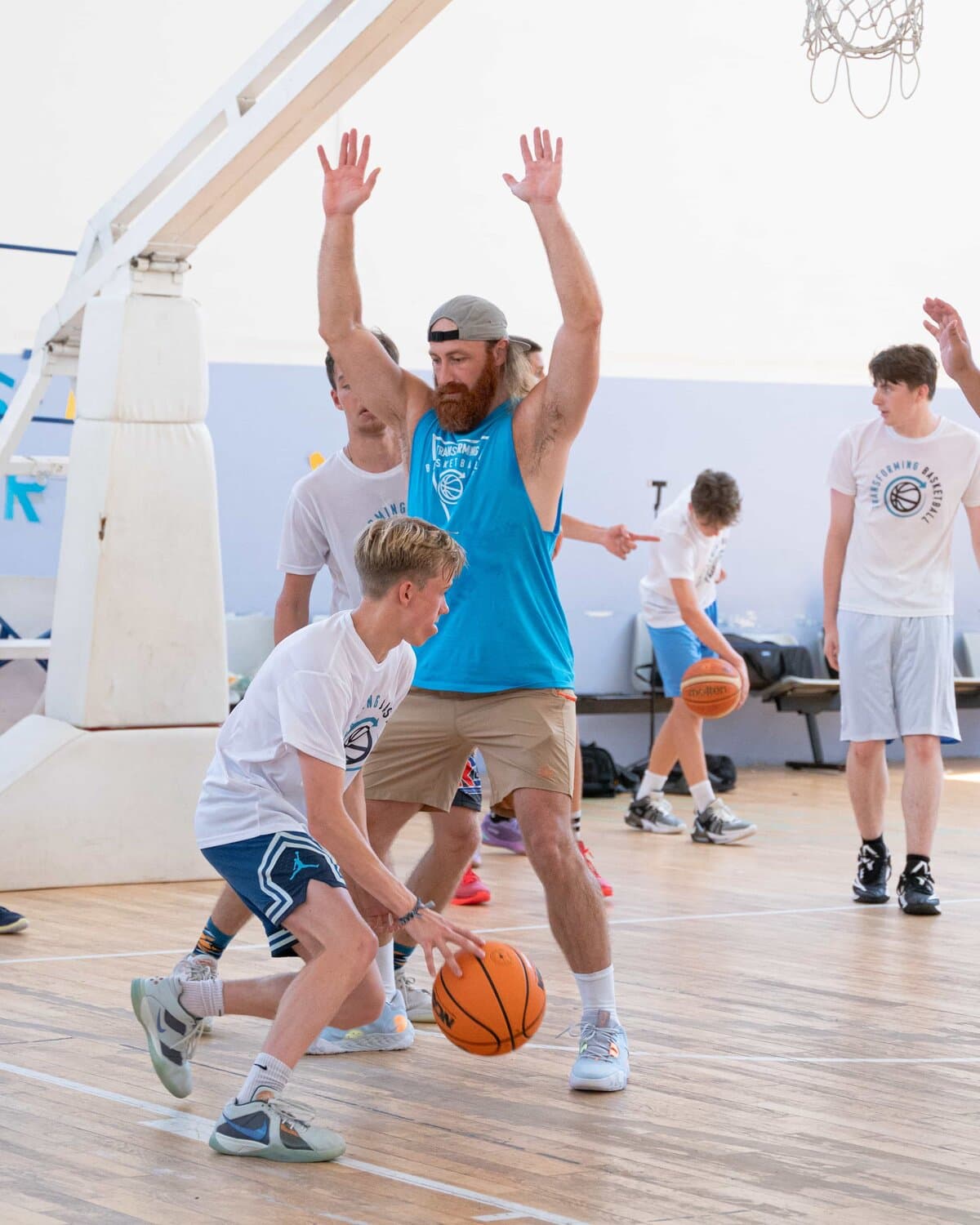
Workshop: Coaching Beginners and Youth Basketball
$249 USD
Explore 140 activities for beginners and youth players, with ways to adjust constraints as players develop. Learn how to simplify a game while keeping the decisions players need to make.
The Small-Sided Games Book
$49 USD
Build on your free games. Build your practice around 50+ small-sided games, with diagrams and constraints you can adapt to your players.
Sources
- Transforming Basketball, Alex Sarama (Wiley, 2024)
- A Constraints-Led Approach to Coaching Basketball, Sarama, Lascu, Vaz Rocha and Houghton (Routledge)
- Transforming Basketball podcast, episodes 26, 27 and 89
- Constraints-Led Approach for Basketball Beginners
- Youth Basketball Principles of Play for Beginners
- The Medieval Siege and Transition Defense
- How to Plan Your Youth Basketball Practices
- Buszard, Reid, Masters and Farrow (2016), Sports Medicine
Behind the methodology
About Alex Sarama
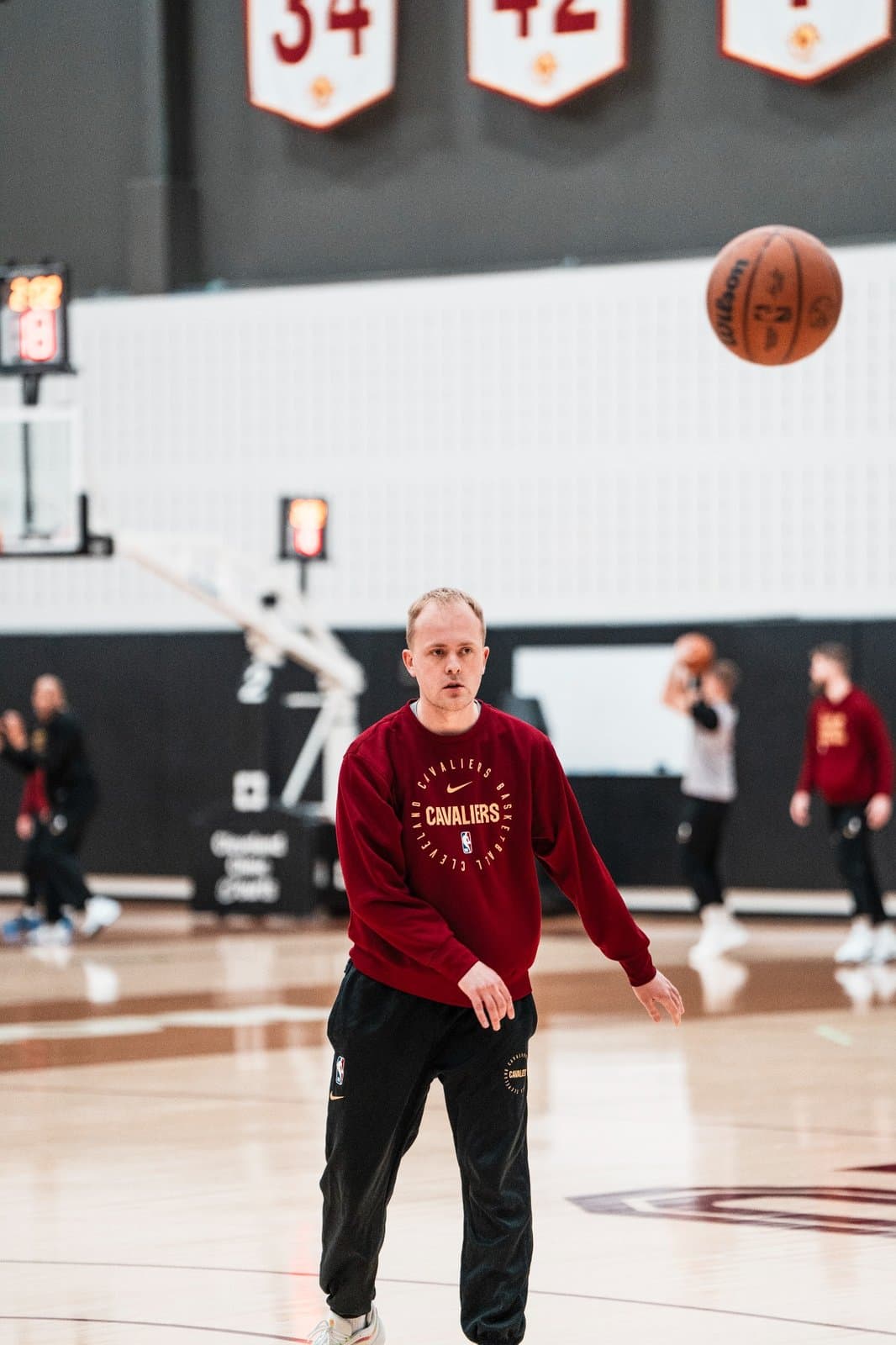
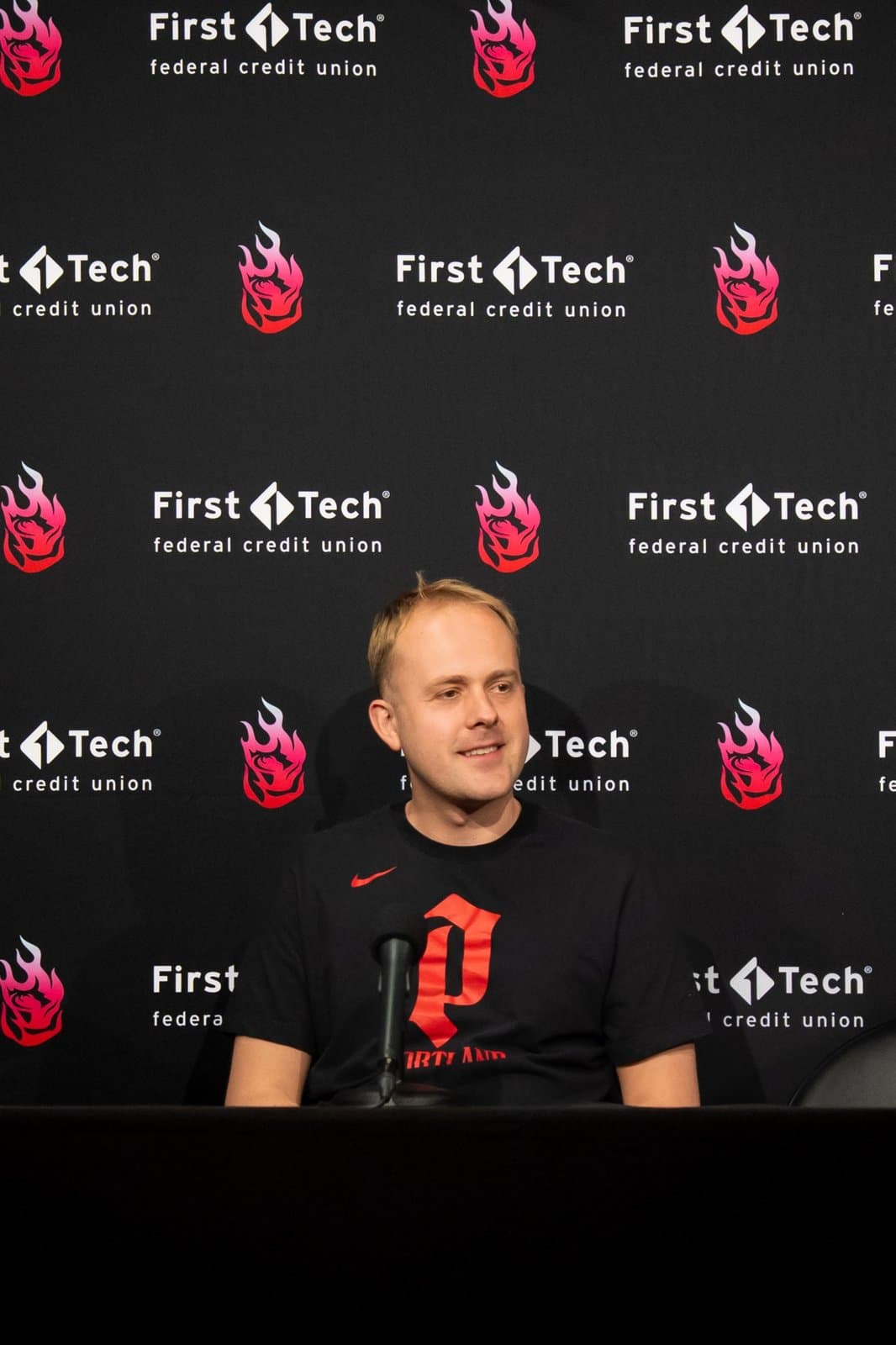
Alex Sarama
Founder, Transforming Basketball · Head Coach, Portland Fire
Alex Sarama is the founder of Transforming Basketball and Head Coach of the WNBA's Portland Fire. Previously, he served as Assistant Coach and Director of Player Development with the Cleveland Cavaliers.
His wider experience includes NBA Europe in Madrid, Paris Basketball in the EuroCup and the Rip City Remix, the Portland Trail Blazers' G League affiliate. Alex has delivered clinics in over 40 countries and has written three books on the constraints-led approach in basketball, including the Amazon bestselling Transforming Basketball (2024) and A Constraints-Led Approach to Coaching Basketball (2026).