
Coaching guide · Practice design
Basketball Practice Design
A traditional practice is built from drills: players repeat one action, often without a defender, and the coach corrects the technique. A practice designed with a constraints-led approach is built from games that keep the defenders and teammates players read in real basketball, and the coach changes the rules to shape what players learn.
9 min read
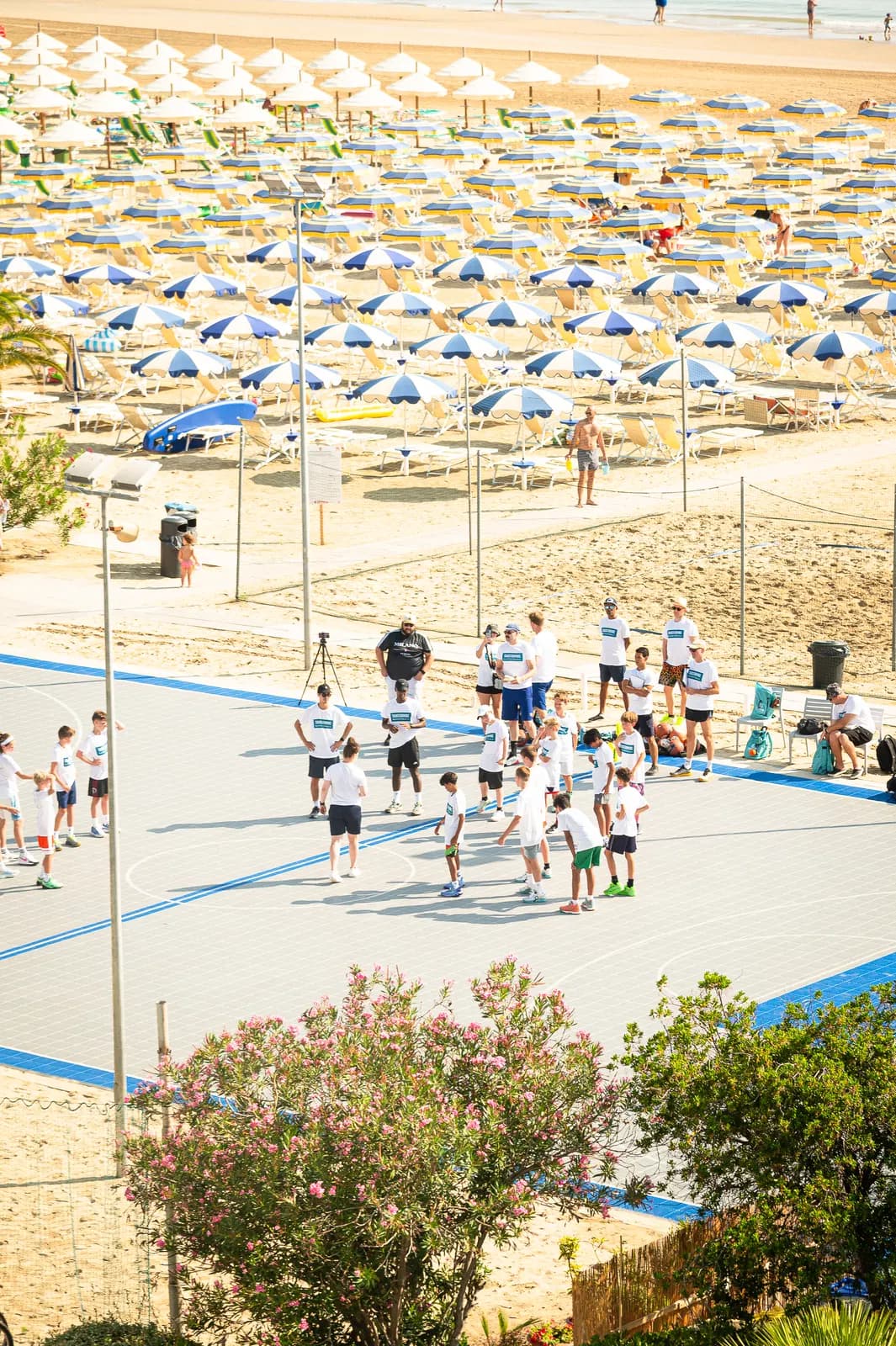
In this guide, learn how to design a practice with a constraints-led approach, from how much each activity looks like the game, to how the defense behaves, to how much of practice players spend playing. A good first step is to put a defender into every shooting and finishing activity, so every shot is one a player could take in a game.
Jungle Shooting is a small-sided game we use for this. Three shooters, two defenders and two balls, played for 60 seconds. Because the defenders can block shots and steal passes, shooters have to read the defense and take whatever shot is available, rather than the same shot from the same spot.
Jungle Shooting 3-on-2
5 players, 2 ballsShooters read the defense and take whatever shot the game gives them, never a preset one.
How it works
- Three shooters start at any location around the 3-point line, with two defenders in random locations. The offense begins with two basketballs.
- Offense and defense stay in their same roles for 60 seconds.
- The offense can only shoot threes, but can move, drive and pass. The defense tries to block shots and steal passes. Both rebound.
- The offense wins with five BRADs (back rim and down) or swishes in 60 seconds. The defense wins with a combination of three turnovers and blocked shots.
Adapt it
- Change the number of players and basketballs to change the difficulty.
Watch for
- Are shooters getting a different problem on every shot?
Why Drill-Based Practice Doesn't Transfer
Think about the drills many practices still open with. In the three-player weave, players pass and run behind the teammate they passed to. In the zig-zag drill, the defender slides in front of a dribbler who cannot lose them, even though the defender knows exactly where the dribbler is going. In two-ball dribbling or the Mikan drill, one predetermined action is repeated over and over. We call this blocked, constant practice, and it is the dominant approach: the most common way coaches practice, not necessarily the most effective.
The problem is that none of these drills asks a player to read anything. In a game, a 2-on-1 in transition might end with the ball handler driving to the rim and missing the layup when the pass to a teammate running alongside was open. The coach calls it selfish. But the player may not have been attuned to that pass, and may never have looked for the teammate. Telling players what to do, or showing film, can help, but it cannot replace practice in the situation itself.

Free
Mike Mackay Practice Plan
Explore Mike Mackay's practice plan and use it to reflect on how you organize your own sessions.
Representative Learning Design
Representative learning design means practice tasks share elements of the real game: they look, sound and feel like basketball. Even a 1-on-1 holds a small slice of the game, because the player has to finish or create an advantage against a defender. The behaviors that emerge should look like what happens in games. This is the reason to keep defenders and teammates in the activity, since they are the information players act on. There is basketball evidence for it: adding one defender to a jump shot changes the shooter's release angle, height and speed.
The Representative Dial
Representative doesn't mean everything has to be 5-on-5. Think of a dial from 0 to 10. Ten is the game itself. One is an agility ladder, dribbling through cones or two-wall dribbling. We recommend living between 3 and 8, because 5-on-5 alone doesn't give players specific enough opportunities to perceive and act on. Small-sided games amplify those opportunities while keeping the defenders and teammates players perceive them from. Where would your own activities land?
| Dial | Example activity |
|---|---|
| 2 | Mosquito shooting: a dribbling shooter with a defender circling who can annoy but not block |
| 3 | Dribble gauntlet: three defenders in three full court zones |
| 4 | Chameleon 1-on-1: a ball on the back advantage start |
| 5 | 1-on-1 plus 1 with a blast cut start and a passer |
| 6 | Half court 3-on-2 bursts |
| 7 | 3 Trips 4-on-3 |
| 8 | 4-on-4-on-4 Defensive Shutdown |
| 9 | 3 Lives 5-on-5: lose a life for not executing a principle of play |
| 10 | The game |
Choose the Defense: Scripted, Guided or Live
How the defense behaves is one of the biggest design choices. A scripted defender does what the offense already knows they will do. A guided defender gives the offense a menu of coverages to find solutions against. A live defender has full freedom to stop the offense. Live defense transfers best to games. The other two are tools for a specific problem.
| Defense | What it is | Use it for | Watch out for |
|---|---|---|---|
| Scripted | The offense knows what the defense will do. | Highlighting one affordance players are struggling with, such as a coverage solution. | Least representative, lowest transfer. Use it selectively, only when needed. |
| Guided | The defense presents a menu of coverages, and the offense has to find solutions. | Attuning the offense to the most attractive affordance; developing skills in specific contexts. | It isn't live play, so the intensity is lower than in a game. |
| Live | The defense has full autonomy to stop the offense within the game's principles of play. | Transfer. It's the most representative option. | Players may struggle to see the affordance, or to act on it. |
These definitions come from A Constraints-Led Approach to Coaching Basketball (Routledge), written by Alex Sarama, Alex Lascu, George Vaz Rocha and Neil Houghton.
A guided defender still has to try to steal or block the ball. Otherwise the offense attunes to a passive defender it will never see in a game. Our guide to guided defense shows how to use it with players who are still learning a concept.
Simplify the Task, Don't Take the Defender Out
When an activity is too hard, the traditional answer is task decomposition: remove the defender, isolate one part of the skill and practice it alone, then add it back later. That takes away the information the player needs. Task simplification lowers the difficulty and keeps the defender and teammates in the activity. A 2-on-2 becomes a 2-on-1, or a defender in a 1-on-1 holds a ball, can't block shots or must touch the lane line after every shot. Players still read a defender, just an easier one.
You want a game that is neither so easy that players switch off nor so hard that they give up. To make it harder, the defender can use a training stick. Coaches won't always get the constraints right the first time, so try, watch and adjust.
Protect Time on Task
Time on task is how much of practice players spend active, compared with waiting or listening. It drops with long lines, punishments, every player on one basket, and too much instruction.
More active time doesn't mean more learning by itself, because the activity still has to challenge players at the right level. Measure time on task before setting a target, and separate unnecessary waiting from planned recovery and observation (see time on task). Two things help.
- Bursts. The offense or defense stays on for a short time limit, such as 45 seconds, or over several reps, instead of one possession and a line. The opponents and the situation keep changing, so players get repetition without repetition.
- Short explanations. Mike MacKay's "3, 10, 30" caps an activity at ten minutes and an explanation at thirty seconds. Our small-sided games guide shows it in use.
With a full gym, play small-sided games on both baskets with efficient rotations. With one basket, see our one basket practice guide. This video shows how to get more reps and decisions in the same time.
Plan What You'll Do, Say and Show
A practical planning framework starts with two questions: what will the coach do, say and show, and what do you expect the players to do, say and show?
- Do. Take a 3-on-3 that starts with players moving randomly inside the paint. The coach shoots or throws a bad pass to start the transition, and whoever gets the ball is on offense. Before running it, think through where to stand, what happens if the shot goes in, how possession is decided and which behaviors to watch for. A key indicator might be how many offensive players win the short race in transition by beating their check in the first three steps.
- Say. Keep the instructions short and focused. You don't always need points of emphasis. Setting players up without instruction and watching how they interact can tell you a lot about their intentions.
- Show. What posture, tone of voice, facial expression and movement do you want to model? A negative reaction to one player's mistake can quickly turn into a negative practice for everyone.
Let the Plan Bend, Then Review It
A written plan is a starting point. Plans can constrain a coaching staff by stipulating exactly what must happen and when, so that when something important happens, the coach sticks to the timetable instead of addressing it. Know what you hope each constraint encourages, check whether it is happening, and if it isn't, add another constraint or step in to say something.
Afterwards, ask how challenging each activity was, how players responded and how representative of the game it was. Our coach development guide has a full set of review questions to use with a colleague. Bring players in too: midway through practice or at the end, ask questions that have more than one answer, such as which principles the team needs to work on before the next game. Give pairs 30 seconds to discuss before sharing, and keep debriefs short so they don't eat into live play.
For complete sessions, see our practice planning guide, U10 plan and U12 plan, or start with a few warm up games. The article on practice design and time on task has a short roll game you can drop into your next session.
Questions Coaches Ask
What is basketball practice design?
Deciding the numbers, space, start, scoring, clock and defense for each activity, and so how representative it is. Then watching what emerges and changing the constraints when it isn't doing what you intended.
What is the difference between scripted, guided and live defense?
With scripted defense the offense knows what the defense will do. With guided defense the defender varies from a menu of coverages so the offense has to find solutions. Live defense has full freedom to stop the offense, and transfers best to games.
Take It to Your Next Practice
Free
Mike Mackay Practice Plan
Explore Mike Mackay's practice plan and use it to reflect on how you organize your own sessions.
The Small-Sided Games Book
$49 USD
Build on your free games. Build your practice around 50+ small-sided games, with diagrams and constraints you can adapt to your players.
Introduction to the Constraints-Led Approach
$49 USD
Explore the framework behind representative practice with Alex Sarama's Introduction to the Constraints-Led Approach clinic.
Sources
- Transforming Basketball, Alex Sarama (Wiley, 2024)
- A Constraints-Led Approach to Coaching Basketball, Sarama, Lascu, Vaz Rocha and Houghton (Routledge)
- Transforming Basketball podcast, episodes 5, 15, 25, 42, 77 and 136
- Basketball practice: improving active time on task
- Basketball practice design: decisions and time on task
- Gorman and Maloney (2016), Psychology of Sport and Exercise
Behind the methodology
About Alex Sarama
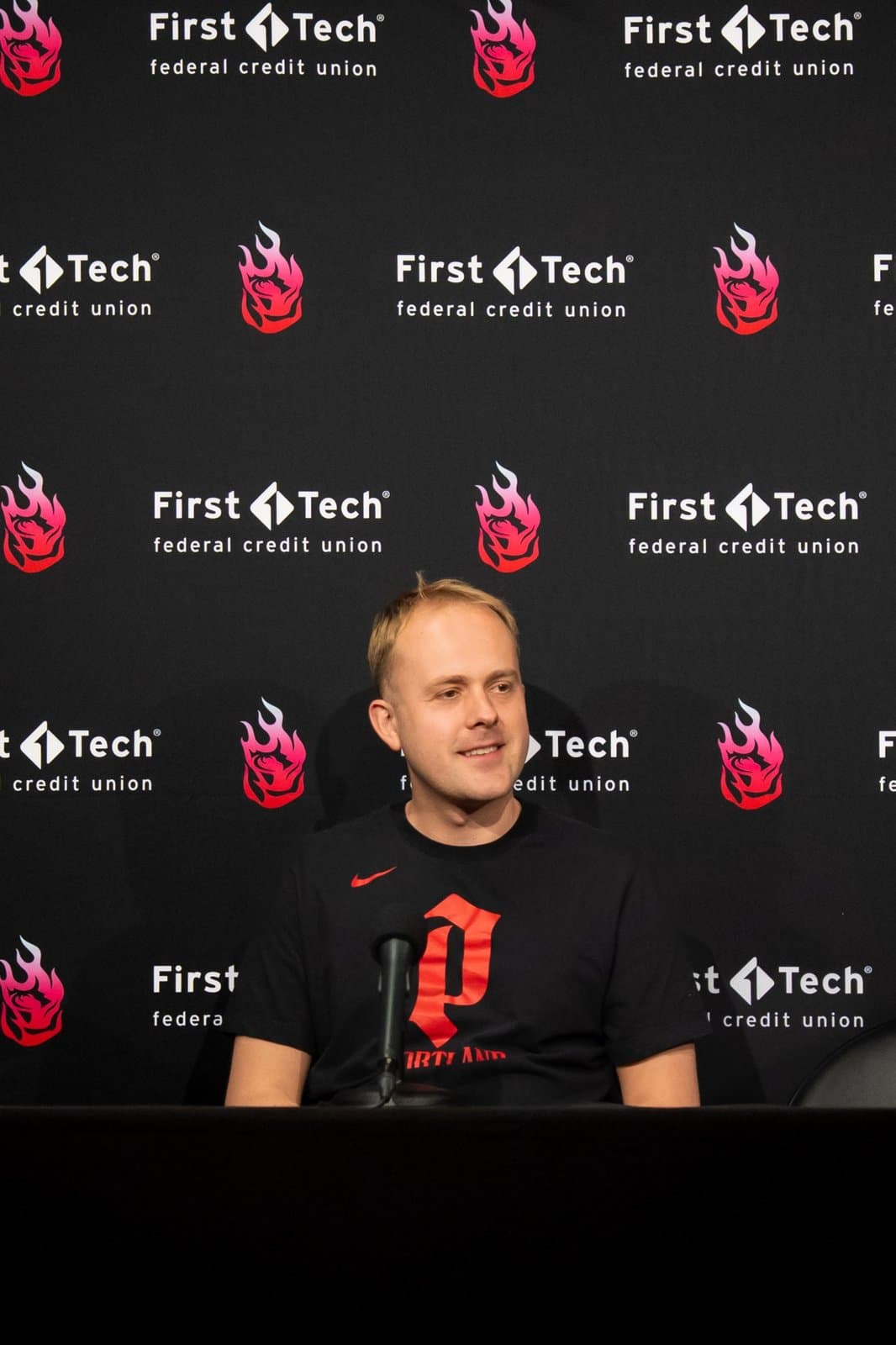
Alex Sarama
Founder, Transforming Basketball · Head Coach, Portland Fire
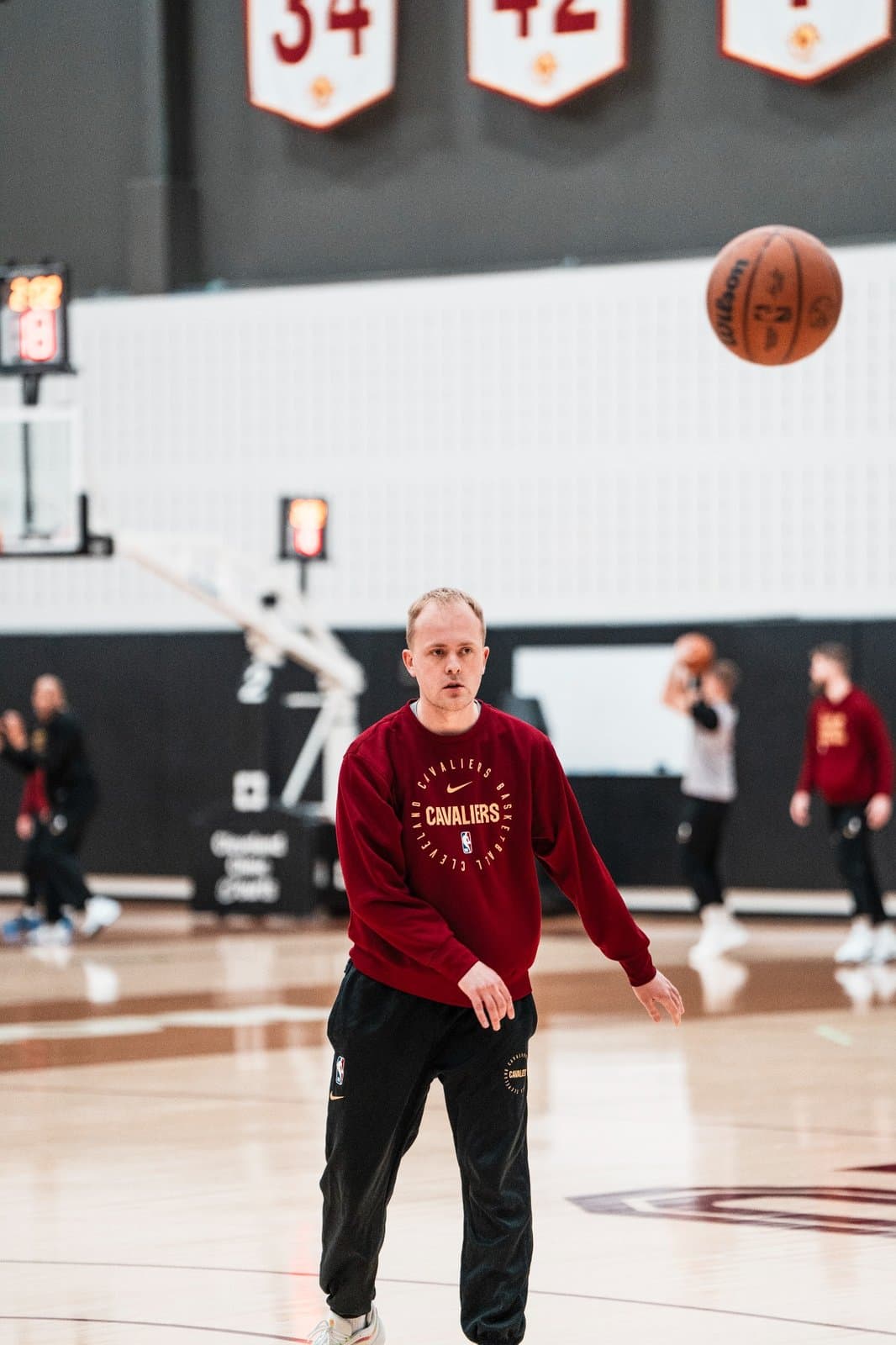
Alex Sarama is the founder of Transforming Basketball and Head Coach of the WNBA's Portland Fire. Previously, he served as Assistant Coach and Director of Player Development with the Cleveland Cavaliers.
His wider experience includes NBA Europe in Madrid, Paris Basketball in the EuroCup and the Rip City Remix, the Portland Trail Blazers' G League affiliate. Alex has delivered clinics in over 40 countries and has written three books on the constraints-led approach in basketball, including the Amazon bestselling Transforming Basketball (2024) and A Constraints-Led Approach to Coaching Basketball (2026).