
Free
Online Skill Acquisition Workshop
An online workshop on contemporary skill-acquisition principles for coaches.
Learning pathway
Explore how constraints influence the decisions players make, then use these ideas to adapt your own practice activities.
Stage 01 of 04
Players respond to the information available around them. The position of a defender, the movement of a teammate and the space around the ball-handler all influence whether to shoot, drive or pass.
Practice activities should allow players to experience these interactions. A player might perform a movement successfully without opposition but struggle to use it when a defender changes position.
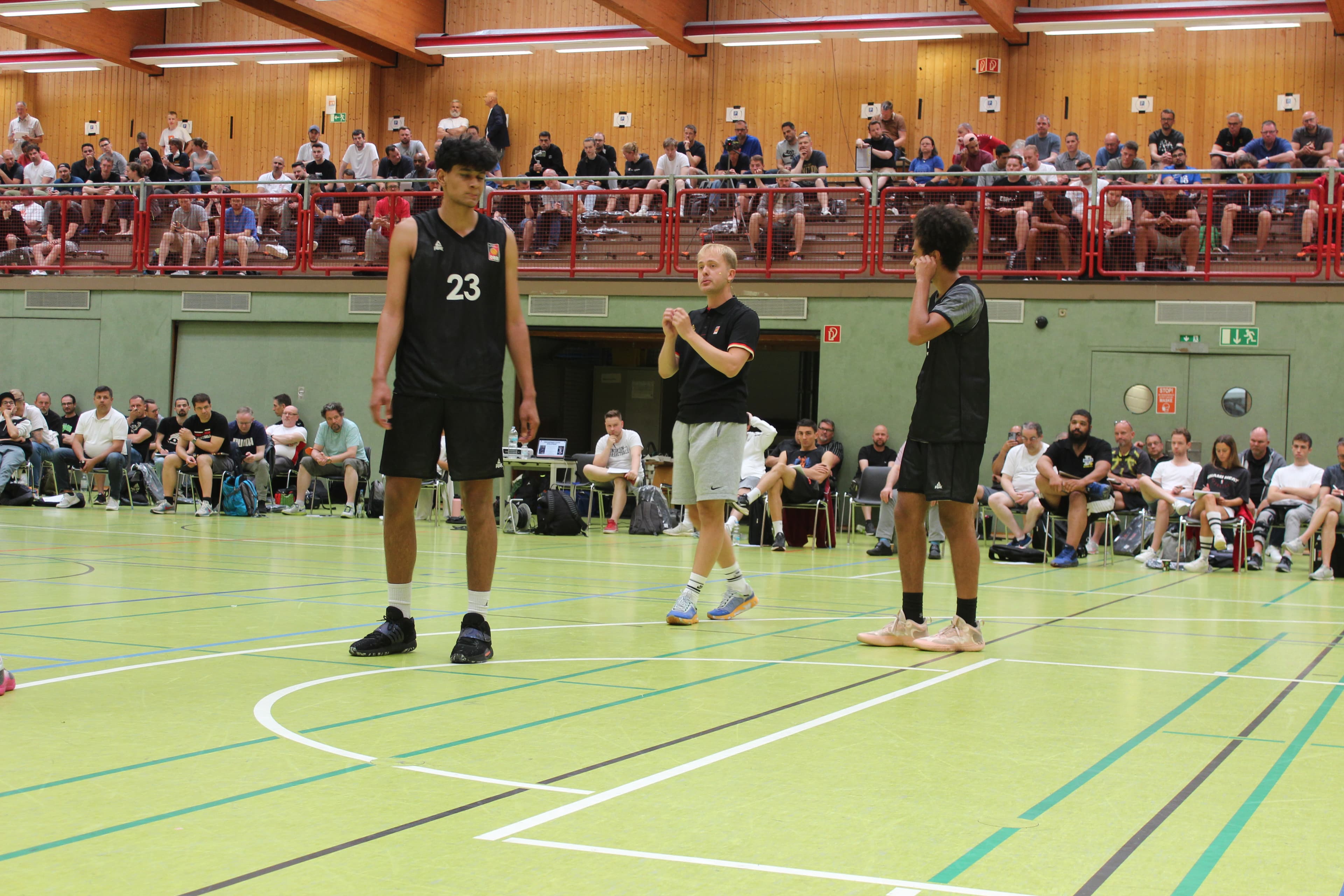
At Transforming Basketball, we use constraints to help players explore solutions they can use in games. The coach designs the activity, observes how players respond and adjusts the challenge where needed.
 Listen· Episode 12 · 18 minEP12: The New MONEYBALL in Basketball? A Practical Guide to Skill Acquisition in BasketballListen to episode
Stage 02 of 04
Constraints act as boundaries guiding the decisions a player makes. Coaches can adjust the playing space, starting positions, player numbers, scoring system or what a defender is allowed to do.
For example, starting a defender beside the ball-handler creates a different finishing situation from starting the defender underneath the basket. In the first activity, the offense can attack before the defender recovers. In the second, the offense needs to find a way to finish against a defender already protecting the rim.
The constraint should relate to what you want players to work on. Watch how it changes the activity before adding another rule.
Listen· Episode 5 · 45 minEP5: What is The Constraints-Led Approach (CLA)?Listen to episodeStage 03 of 04
A beginner may struggle against a fully live defender. Removing the defender, however, also removes information that helps the player decide what to do.
Constrain the defender to make the activity easier. You could give the offense a head start, allow the defender to use only one hand or prevent the defender from jumping.
Players in the same group may need different conditions. Adjust the starting position or defensive restriction for individual players, then increase the challenge as they become more comfortable.
As the coach, you can demonstrate a possible solution when needed, then give players opportunities to use it against different defensive behaviors.
Stage 04 of 04
Start with a familiar drill and identify the situation it is intended to prepare players for.
For example, in a passing activity, the quality of the pass depends on the defender and the receiver. Play 2-on-1 keepaway. If the defender deflects the ball, or the receiver needs more than two steps to collect it, the passer becomes the defender.
This constraint gives the passer a reason to adjust the angle, speed and trajectory of the pass. The receiver also needs to move to provide an available passing option.
Ready for your next practice
A starting point to take onto the court. Observe, adjust and keep exploring.
Use these ideas to build a practice around the situations your players need to experience.
Design Your Next PracticeFree
An online workshop on contemporary skill-acquisition principles for coaches.