





Practical Ideas
Sep 7, 2026
admin
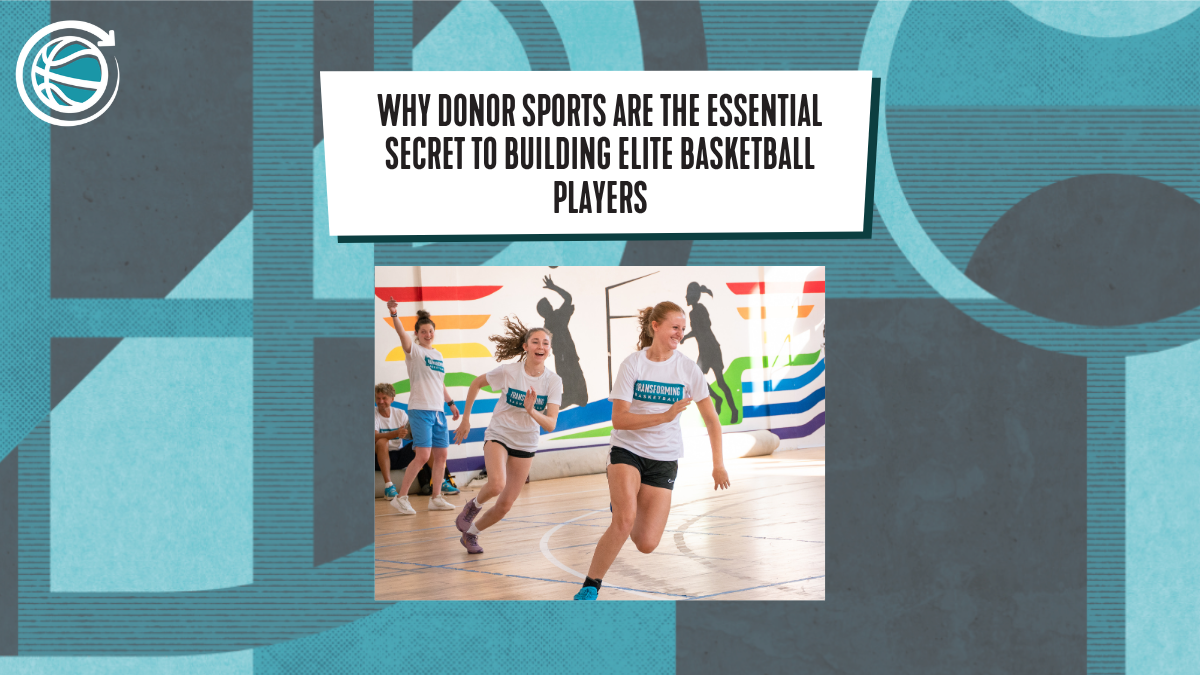
What if the secret to building an elite basketball player has nothing to do with playing basketball?
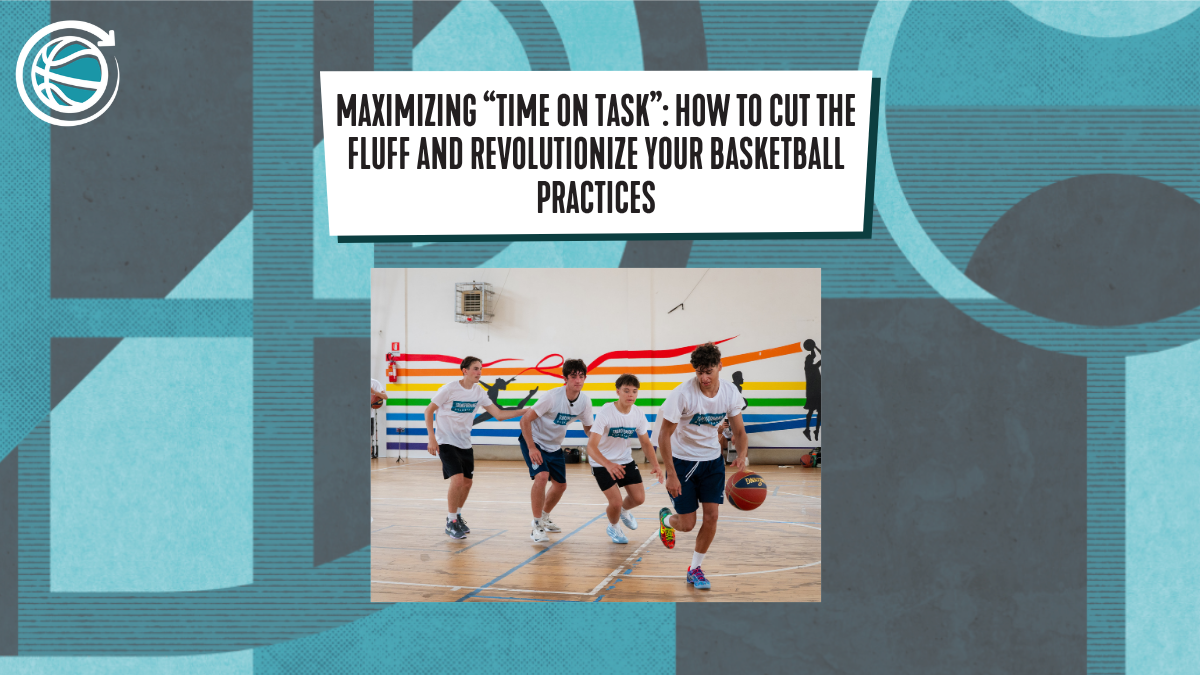
Learn how to maximize basketball practice time on task by cutting idle time, reducing long explanations, and using small-sided games, bursts, and game-like constraints to keep players actively engaged and developing adaptable skills.
Jun 1, 2026
admin
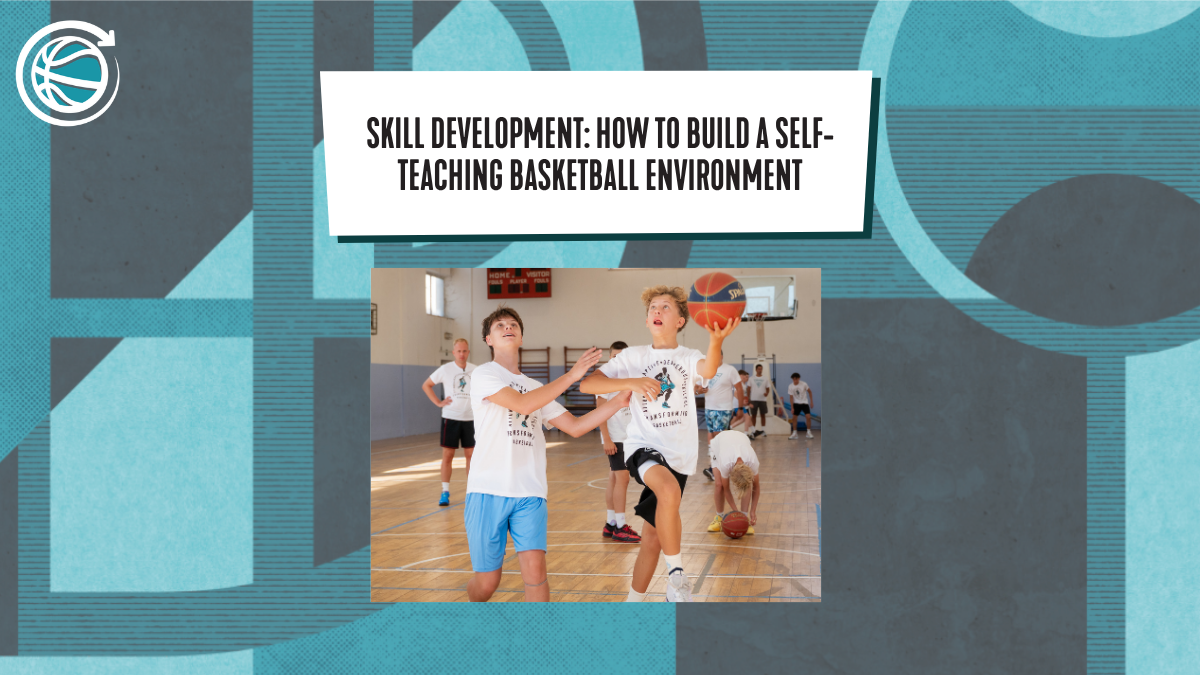
Discover how basketball coaches can stop micromanaging and create player-led practices that teach decision-making, adaptability, and game awareness. Learn how to become “The Invisible Coach” by designing skill development environments where players read the game, solve problems, and grow without constant instruction.
May 18, 2026
admin
Learn how basketball practice design can improve player retention, increase time on task, and prepare your team for the chaos of real 5v5 games.
May 11, 2026
admin
Master your late game basketball strategy using the Constraints-Led Approach. Learn why "holding the ball" kills rhythm and how to build clutch players through CLA.

Apr 27, 2026
admin
Learn how to use basketball analytics and the Four Factors to lead a state tournament run. A high school coach's guide to the "Medal System" and the Four Factor of Basketball.
Apr 20, 2026
admin
How does Steph Curry get so wide open after driving, kicking and then sprinting out to relocate for a shot?

Apr 6, 2026
admin
Learn how to use the floor is lava constraint in youth basketball to improve half court spacing and create more driving opportunities for your team.

Mar 23, 2026
admin
Struggling to ditch Traditional Coaching habits? Discover how the Constraints-Led Approach helps coaches shift their mindset and upgrade their practice.

Mar 16, 2026
admin
Discover how practical basketball constraints and Newell's Model can transform your practice design, helping players develop skills through guided discovery rather than instruction.
Mar 9, 2026
George Vaz




check what's trending
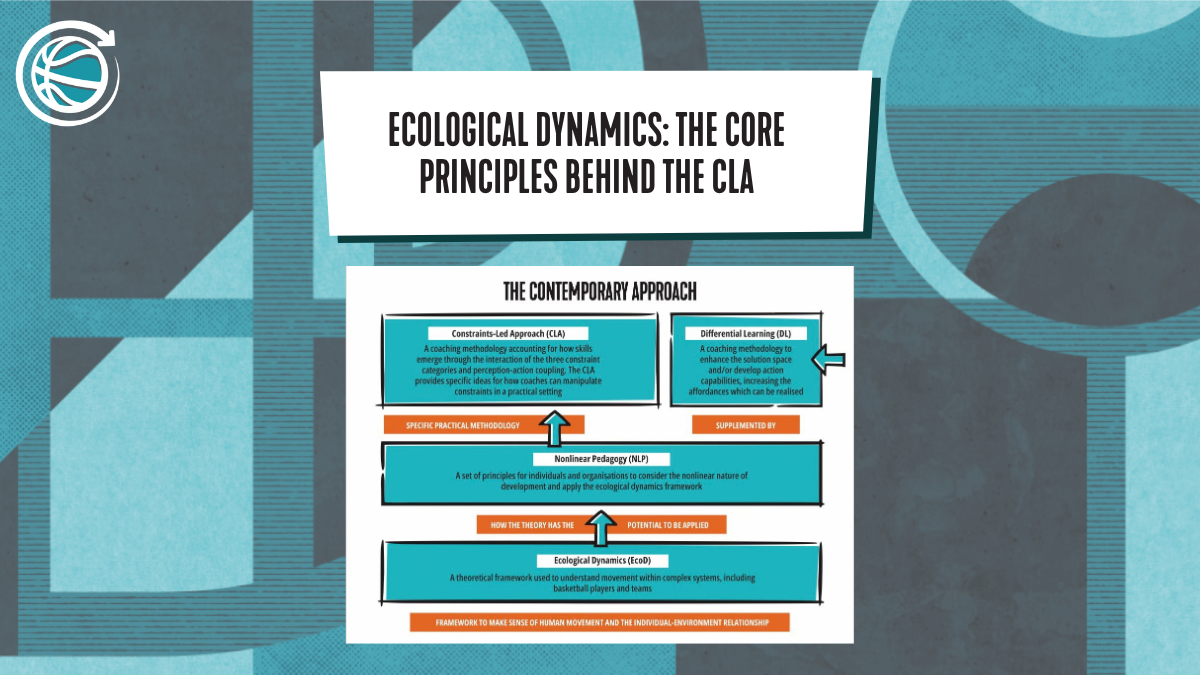
What is ecological dynamics and how is it connected to a constraints-led approach?
Dec 8, 2025
George Vaz

Are you searching for the best small sided games (SSGs) to improve your basketball practices? Want to replace boring, low-transfer drills with competitive games that actually develop player decision-making and in-game skills?
In this post, I’m sharing my top 5 favorite small-sided basketball games—designed to teach core concepts like closeouts, pick-and-roll, advantage creation, and transition offense and defense. These basketball SSGs are intense, purposeful, and built around real-game actions.
Whether you're coaching youth basketball, high school, or pros, these top small sided games will make your sessions more effective, more engaging, and more fun—for both players and coaches.
Let’s break down each game and how it can transform your practices.
Aug 4, 2025
George Vaz

Whether you’re coaching in the NBA, EuroLeague, or youth basketball, one thing remains universally true: the worst transition offense is still more efficient than the best half-court offense. Yet, many teams still struggle to fully capitalize on transition opportunities, often opting to slow down the game instead of pushing the pace. The question is, why? By running more intentionally, teams can create easier scoring opportunities. So why do some teams hesitate?
Apr 7, 2025
George Vaz
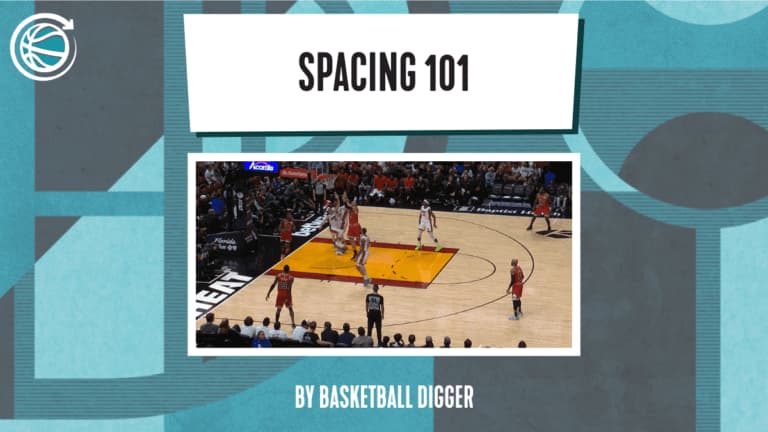
Spacing has changed the game. NBA offenses today look nothing like they did in the ’90s—more threes, better efficiency, and smarter shot selection. But why? The key lies in how teams use space to create and capitalize on advantages.
Mar 31, 2025
Simon Caret
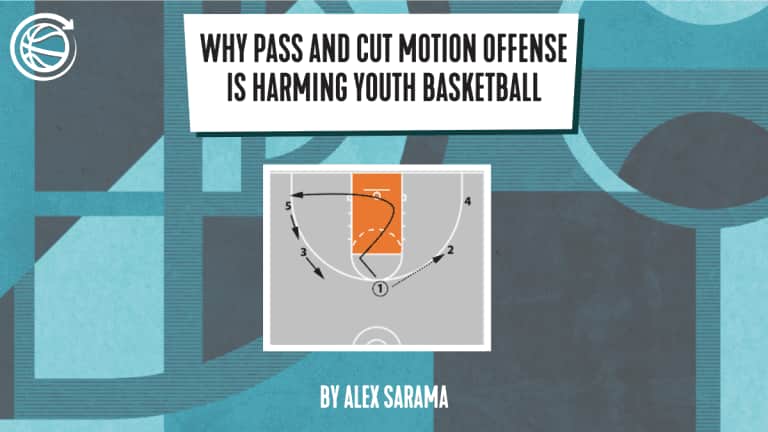
This article breaks down why pass and cut motion offense limits youth player development, and explores better ways to teach spacing, decision-making, and offensive creativity.
May 1, 2024
Alex Sarama
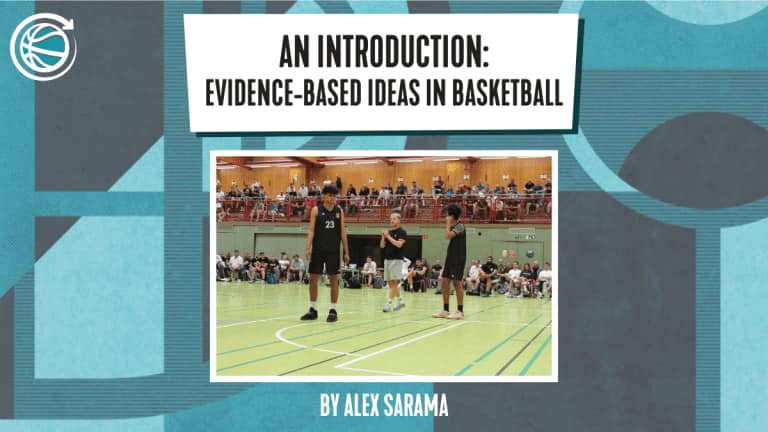
Approaches within the basketball industry are predominantly based upon experiential knowledge and traditions.


