





Practical Ideas

Feb 16, 2026
George Vaz
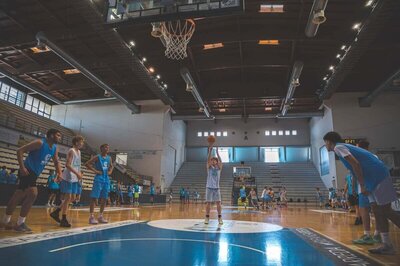
How can your team create more scoring opportunities BEFORE the defense sets up? At any level, the worst transition offense will be better than the best half court offense. It is important not only to take advantage of transition opportunities but also create rich learning environments for your players to learn these principles effectively.
Looking for fresh small-sided games basketball ideas to energize your practices? This article showcases creative drills contributed by coaches inside the Transforming Community, designed for youth players of all ages and abilities. From advantage offense to defensive rotations, these games guarantee variable decisions and real development every rep.
Dec 29, 2025
admin
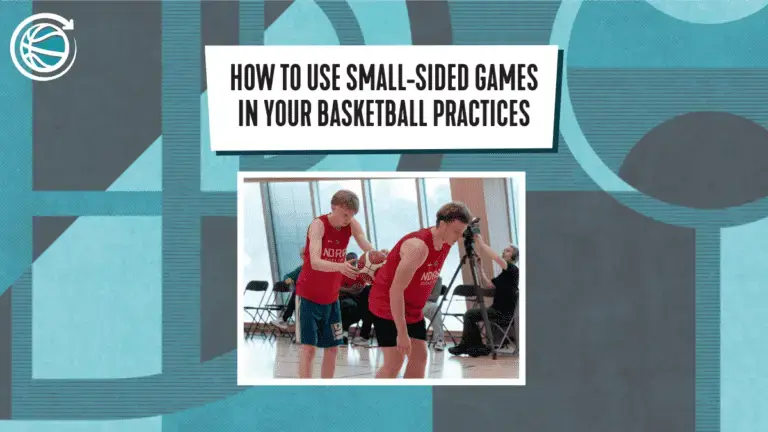
One of the reasons your small-sided games (SSGs) are not achieving their maximum result could be because of the unrepresentative behaviours the players are getting away with. And the most common culprit in this instance is failing to constrain space.

Dec 22, 2025
admin
Transforming Basketball member Neil Houghton contributes this excellent blog article on ideas for teaching zone offense. Neil does a great job using Transforming ideas with his club in Australia.

Dec 15, 2025
admin
For a U10 team (7-9 year olds) of total novices, what are some effective principles of play?

Dec 1, 2025
admin
What are some solutions if you are coaching a youth team with limited shooting, who are slower than the opposing team, and lack the ball handling to keep turnovers low?!

Nov 10, 2025
George Vaz
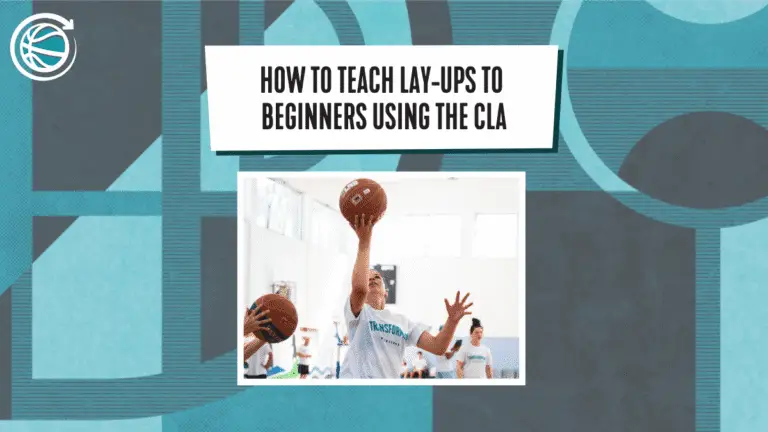
Teaching beginners lay-ups doesn't have to mean boring drills and isolated lines — the Constraints-Led Approach basketball method changes everything. By building game-like, representative environments, coaches can help players develop lay-up skills naturally through play and exploration. Discover five practical steps to apply this approach with your beginners today.
Oct 20, 2025
George Vaz
A ghost cut is an off-ball movement where a player suddenly “disappears” from their defender’s vision and reappears in a scoring spot, often under the basket, exploiting defensive ball-watching or rotations. This article explains when to make ghost cuts and offers small-sided games to train players to recognize and execute them effectively.

Oct 13, 2025
George Vaz
Why coaches must move beyond rigid drills and create dynamic, unpredictable environments that build adaptable, game-ready players.

Sep 29, 2025
George Vaz
What are some small sided games (SSGs) to improve your team’s on-ball defense? How can you manipulate constraints to focus on specific defensive intentions?

Sep 22, 2025
George Vaz




check what's trending
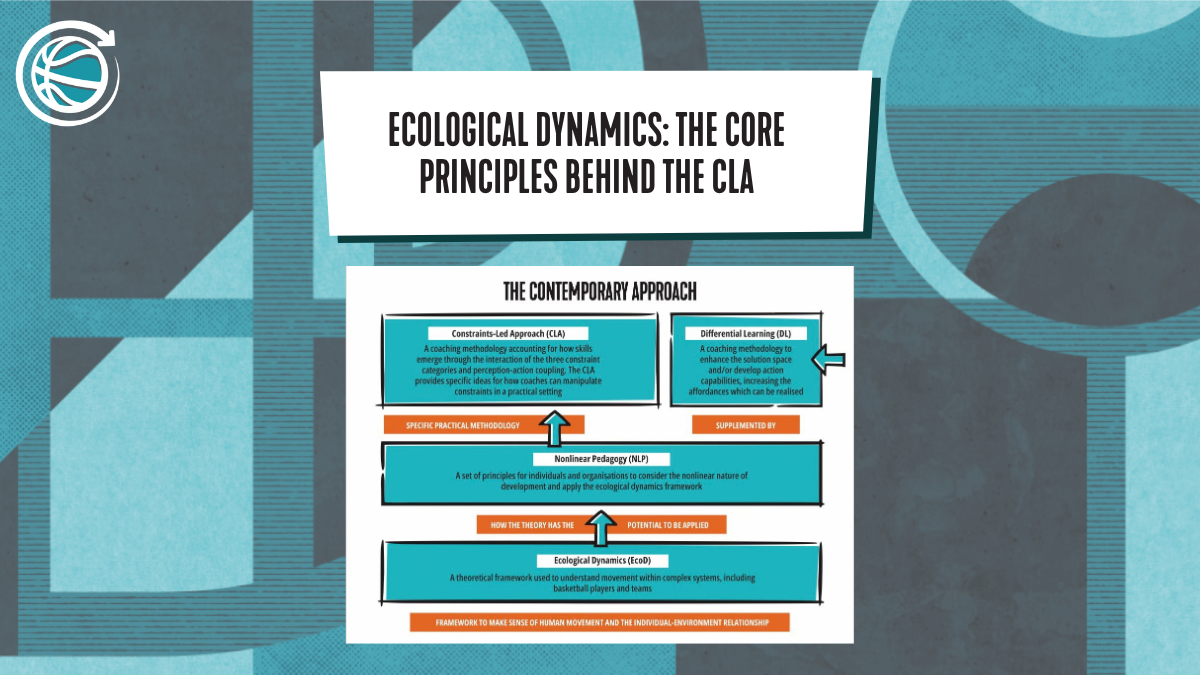
What is ecological dynamics and how is it connected to a constraints-led approach?
Dec 8, 2025
George Vaz

Are you searching for the best small sided games (SSGs) to improve your basketball practices? Want to replace boring, low-transfer drills with competitive games that actually develop player decision-making and in-game skills?
In this post, I’m sharing my top 5 favorite small-sided basketball games—designed to teach core concepts like closeouts, pick-and-roll, advantage creation, and transition offense and defense. These basketball SSGs are intense, purposeful, and built around real-game actions.
Whether you're coaching youth basketball, high school, or pros, these top small sided games will make your sessions more effective, more engaging, and more fun—for both players and coaches.
Let’s break down each game and how it can transform your practices.
Aug 4, 2025
George Vaz

Whether you’re coaching in the NBA, EuroLeague, or youth basketball, one thing remains universally true: the worst transition offense is still more efficient than the best half-court offense. Yet, many teams still struggle to fully capitalize on transition opportunities, often opting to slow down the game instead of pushing the pace. The question is, why? By running more intentionally, teams can create easier scoring opportunities. So why do some teams hesitate?
Apr 7, 2025
George Vaz
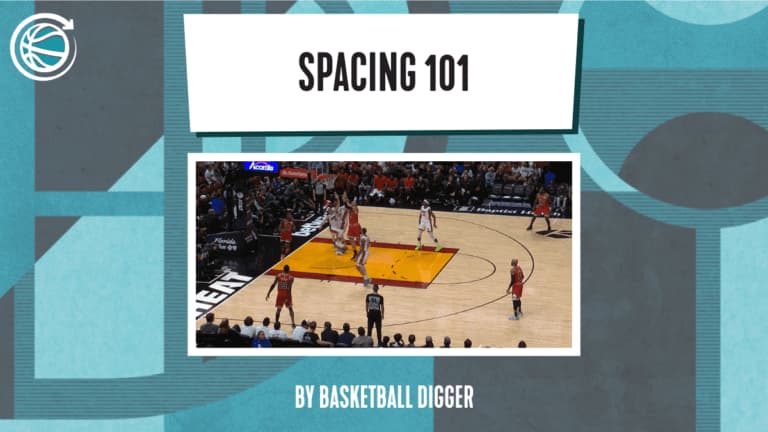
Spacing has changed the game. NBA offenses today look nothing like they did in the ’90s—more threes, better efficiency, and smarter shot selection. But why? The key lies in how teams use space to create and capitalize on advantages.
Mar 31, 2025
Simon Caret
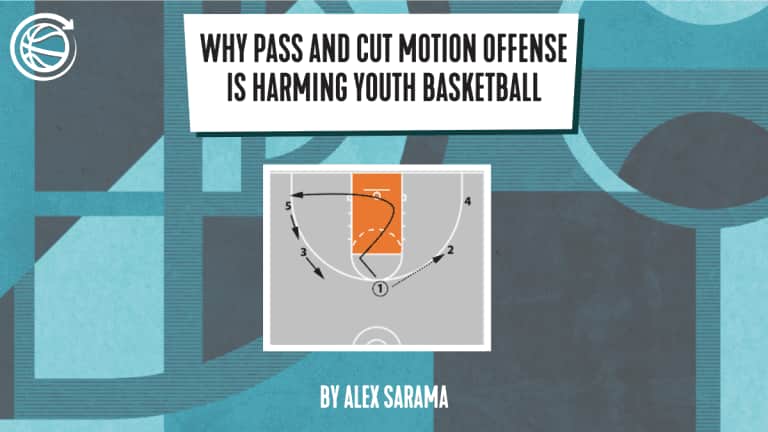
This article breaks down why pass and cut motion offense limits youth player development, and explores better ways to teach spacing, decision-making, and offensive creativity.
May 1, 2024
Alex Sarama
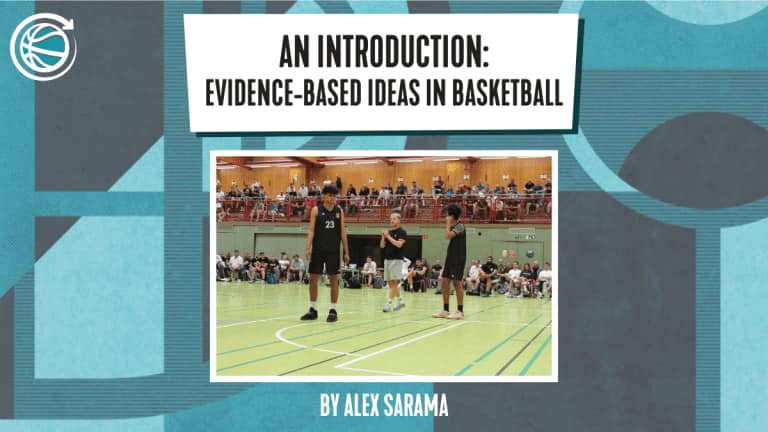
Approaches within the basketball industry are predominantly based upon experiential knowledge and traditions.


