
Coaching guide · Practice design
Small-Sided Games in Basketball
How we set up small-sided games at Transforming Basketball: where each game starts, how big the space is, how it's scored, and what we change when the challenge level is too high or too easy.
Transforming Basketball · Updated · 15 min read

Alex Sarama started out as a games-based coach before he knew what a constraints-led approach was. He still gives games their due: they're more enjoyable than drills, learning is more implicit, and they're more representative of the game.
On episode 22 of the podcast, he argued that without purposeful constraints, a games approach isn't worth much more than drills.
“If we are not really using constraints purposefully, from a skill adaptation standpoint, I don't really see the value to a games approach. And I don't even think, maybe this is controversial, but I don't think the value is that much greater than a traditional approach of drills.”
We still think small-sided games are the best tool we have for practice. The coaching happens in the task design, and in which constraints you manipulate when the behaviors you want aren't emerging.
What Counts as a Small-Sided Game
A small-sided game (SSG) is any live game with fewer than ten players: 1-on-1, 2-on-1, 3-on-3, 4-on-3 and so on. Numbers can be even, or tilted toward the offense or the defense. 5-on-5 is always the most representative version of basketball, but smaller games give each player far more touches, and if they're designed well they keep the specifying information players read in a game: live defenders and teammates.
There is a trade-off, which Alex sets out in Transcending Basketball. Fewer players means more repetitions of a specific situation, but it also means spacing and rotations that won't exist in 5-on-5.
“There could be value in using 4-on-4 and 3-on-3 if the goal is to amplify players' exposures to a specific scenario (e.g., giving them opportunities to defend a pick and roll), but this then comes at the expense of being in different rotational and spacing alignments.”
Pick the format for a reason. If you want more pick-and-roll defense, 3-on-3 earns its place. If you want your weak-side help to look like it will on Friday night, you probably need four or five defenders.
Why 3-on-3 on Its Own Isn't Enough
Take two games of 3-on-3. In the first, the offense starts with a defender recovering from behind. In the second, all three defenders are matched up and the offense has to start with a pick. The number of players is the same. The first game is about dominoes, keeping the advantage alive pass after pass until a quality shot appears. The second is about using a trigger to create the advantage in the first place.
That's why we don't treat "play 3-on-3" as a plan. When Alex spoke to coaches at a Bavarian Basketball Federation clinic (EP81), he said that if the players always play the exact same small-sided game, that's a games approach, while a constraints-led approach keeps manipulating constraints in response to what the coach sees.
The same goes across a season. As players get better at reading what's in front of them, the games should get more complex too.
“Using the same activities with identical constraint manipulations throughout the season therefore serves little purpose.”
We use the even-numbered games plenty, but most of the learning happens in the odd ones:
“I really view that the magic is in 1-on-1 plus 1s, or 1-on-2s, 1-on-3s, 2-on-2 plus 1, 2-on-2 plus 2s, because it's these specific environments which amplify affordances and develop functionality.”
The theory behind this, games approaches versus the constraints-led approach, is set out in a 2016 paper by Ian Renshaw, Duarte Araújo, Chris Button and colleagues, "Why the Constraints-Led Approach Is Not Teaching Games for Understanding". If you want the full argument, our constraints-led approach guide covers it.
Five Decisions That Change What a Game Teaches
Every small-sided game is a set of task constraints. Change any one of them and the affordances change with it (an affordance is an opportunity for action, like an open driving lane or a teammate cutting behind the defense), often without you saying a word.
1. Where the Game Starts
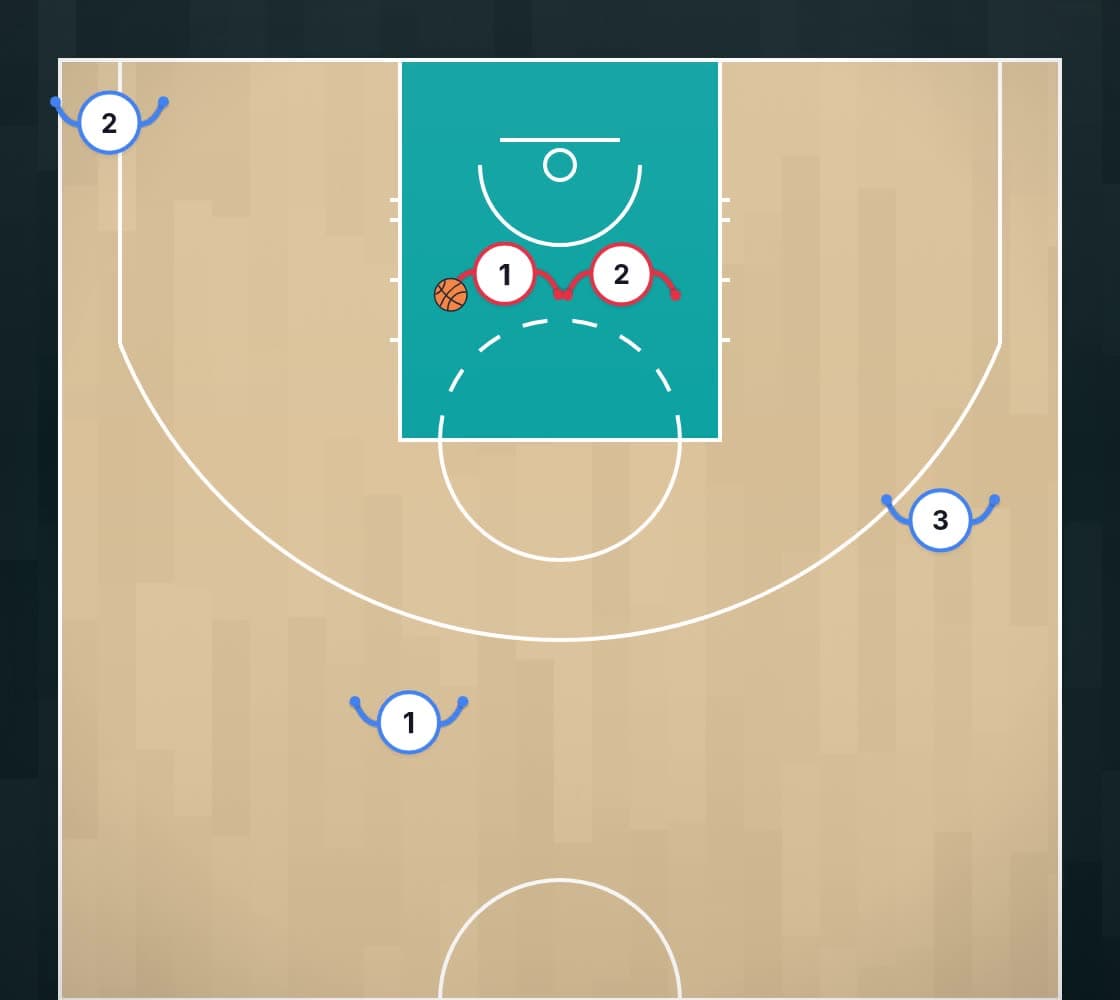
The start decides whether the offense begins with an advantage, from neutral, or at a disadvantage. Vary it. A common chaser game has two defenders waiting in tandem and a third sprinting back, and Alex's objection on EP22 was that you'd never see that alignment in a real game. The fix is to start the defense somewhere different each time, or send the third defender to high-five a moving coach before they can recover. Our article on advantage starts has a set of starts you can use from 1-on-1 up.
2. How Much Space Players Get
A 2-on-2 played across the whole half court has gaps that never exist in 5-on-5, so players become attuned to driving gaps that won't be there in 5-on-5. Shrink it. On EP5 Alex suggests using roughly a third of the half court for 2-on-2 or 3-on-3. Moving the out-of-bounds line is one of the simplest constraints you have, and why you need to constrain space in small-sided games shows how.
3. How It's Scored
The scoring system is a task constraint. It shapes what players try to do without you stopping play. Alex's book gives a clean example for a team that wants to keep the ball out of the middle: play 1-on-1 where the offense gets three points for scoring on a middle drive and one for a baseline drive. Flip it, and the defense gets three for a turnover, one for a contested stop and rebound, and loses a point when the offense scores through the middle.
Be careful not to pile up bonus points, though. On EP44, Adam Omiecinski's advice was to keep the scoring simple and change the way the game is played instead. The best example came from Alex's season at College Prep in Italy, where some games counted only gold and silver medal shots: finishes at the rim and catch-and-shoot threes. He called it one of the most influential task constraints of the whole season. Players couldn't bail out with a pull-up or a floater, so they learned to get to the rim or find the open shooter.
Two scoring tools from chapter 8 of Transforming Basketball work in almost any game. The first is the golden snitch, borrowed from Harry Potter: an instant win for the behavior you most want to see. In Defensive Shutdown, three stops in a row wins the game outright. In Three Trips 4-on-3, the team playing a player down wins straight away if it holds the other team scoreless across all three trips. The second is Three Lives: normal scoring, but each team has three lives and loses the game when they're gone, whatever the score. You choose what costs a life (conceding an open rim finish, giving up an offensive rebound), and the book makes the point that the idea works with any activity, not only 5-on-5 scrimmages.
4. The Clock
If you only change one thing in your next practice, add a shot clock to every small-sided game. That was Alex's challenge to coaches on EP85, after Gabriel Barbosa talked through his research with 30 young players at a club in São Paulo. In their 3-on-3 games, a 6-second clock produced more individual decisions, while a 12-second clock produced more assists. Without a clock, players in a 1-on-2 took around fifteen dribbles before doing anything. Vary the clock from possession to possession, and let the players waiting to go in call it out loud.
5. What the Defense Is Allowed to Do
When the offense is struggling, limit the defender instead of taking them away. Transcending Basketball lists these defender constraints, roughly from most to least game-like:
- The defender can only jump once.
- The defender can only take two steps.
- The defender can only use one hand.
- The defender plays live but holds a bib or a ball.
- The defender can't block or steal, only distract.
- The defender can only force a miss with their body position.
You can also script the defense by telling it which coverage to play. Requiring a switch on every pick, for example, gives the offense repeated chances to punish the switch. Guided defense is a whole topic of its own.
Same Game, Two Ways
Alex's favorite way to show the difference is to take a game coaches already use and remake it. Ball-on-the-back 1-on-1 is a good one: the offense starts with the ball pressed against the defender's back, then goes. Played straight, the offense often keeps dribbling while the defender recovers, and the possession drifts back to neutral.
On EP22 he added constraints that keep the original intention, using the head start, alive:
- The offense can only score in the smile (the restricted area).
- A time or dribble limit, sometimes just one dribble.
- Extra defenders who can stunt at the ball.
- The backboard can only be used from outside the square.
Same players, same space, same start. Now the game rewards using the advantage straight away, which is what it was meant to do.
Every Game Is a Player Development Game
Coaches often split practice into a player development block and a team block. Chapter 8 of Transforming Basketball deliberately doesn't sort its games that way:
“Every activity is a player development activity, while at the same time every activity seamlessly aligns with a team's principles of play.”
The chapter places its games on a representative dial, inspired by Jia Yi Chow and colleagues' work on nonlinear pedagogy. 1-on-0 and training props sit at the least representative end, the game itself at the other, with games like Mosquito Shooting, Shield Tag, Chameleon 1-on-1, Battleship, Defensive Shutdown and Three Lives spread in between. The goal, whatever your level, is to avoid sliding back to the far left with repetitive on-air practice. Alex borrows a term from Jacobs and Michaels for the coach's job here: a learning designer, someone who decides which opportunities for action players need to meet in practice.
Three Games We Come Back To
The first is a dominoes game, the second creates an advantage from neutral with a trigger, and the third is about finishing possessions on defense.
3-on-2 Bursts
5 playersPlay dominoes and keep the advantage alive. Transcending Basketball calls this the best alternative to 3-on-0 drive and kick: the principle is the same, but now the defenders are live.
How it works
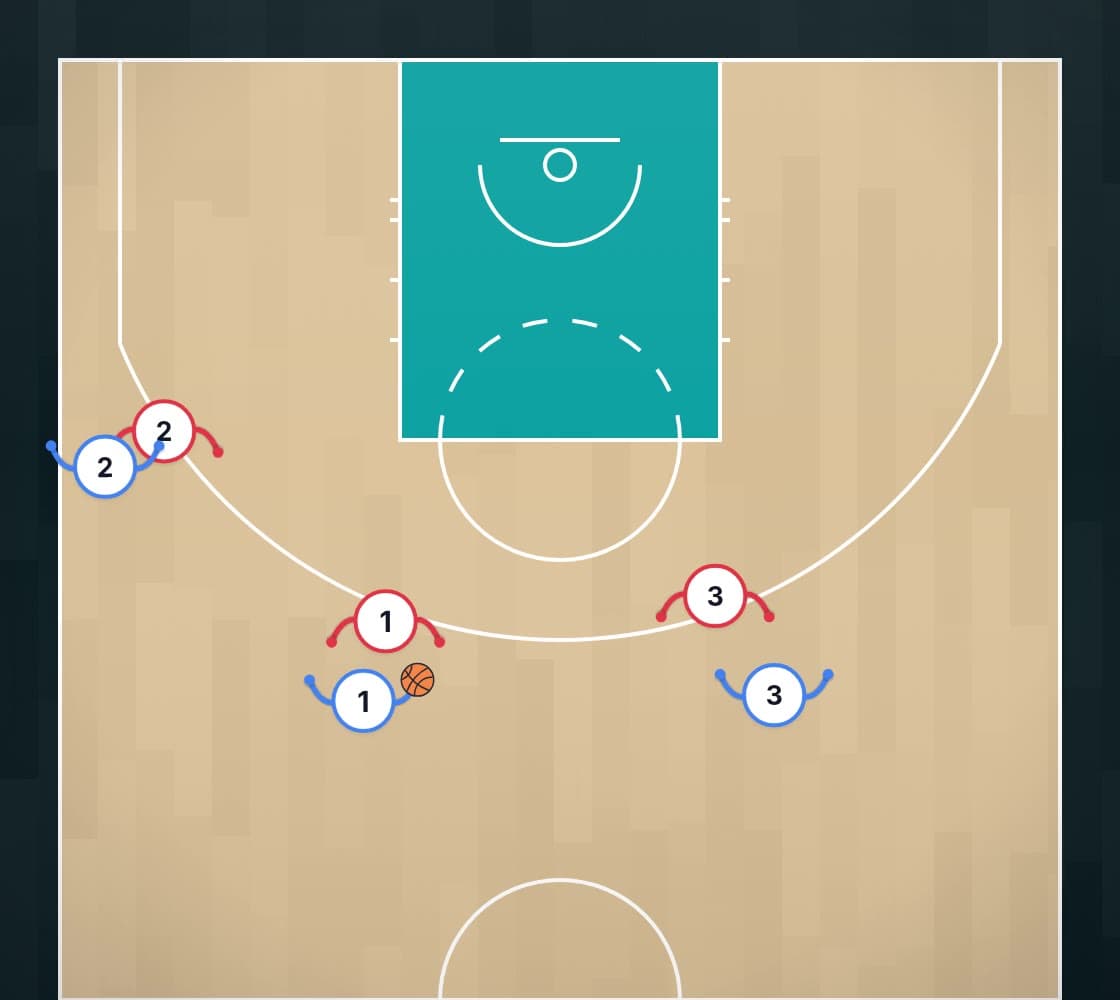
- Start three offensive players outside the three-point line, with two defenders holding the ball.
- A defender passes to the offense to begin the possession.
- Play until a score or defensive possession, then restart with the offensive players in different locations.
- Keep the same roles for one minute before changing.
Adjust it
- Require a paint touch before a basket counts, but only when that matches your intention for the session.
- Use the floor-is-lava rule from our floor-is-lava article: a catch in the mid-range is a turnover.
Watch for
- Can the receiver shoot, drive or pass before the defenders recover?
- Are teammates spacing so one defender can't guard two?
The book's version, HC Bursts 3-on-2, has more constraints to choose from: only rim finishes and catch-and-shoot threes count, scores off ghost cuts are worth double, the defense gets five points per stop or defensive rebound, or play in half or two-thirds of the half court. One rule keeps the offense honest: if they don't call out their score after each basket, it doesn't count.
Battleship 3-on-3
6 playersCreate an advantage from neutral with a trigger, then punish whatever coverage the defense plays.
How it works
- Choose a trigger, such as a get or a ball screen, and four locations the offense can start it from.
- To win, a team must score from an advantage created by the trigger at each of the four locations.
- A qualifying basket earns a strike at that location. A basket that doesn't meet the requirement keeps possession but earns no strike.
- A defensive stop changes possession.
Adjust it
- Require the defense to switch the ball screen so the offense learns to punish the switch.
- Let the defense vary its coverage so the offense has to recognize what's happening.
Watch for
- Does the offense read the coverage, or run the same action whatever the defense does?
4-on-4-on-4 Defensive Shutdown
12 players, one basketFinish possessions on defense and rebound, with three teams rotating at one basket.
How it works
- Three teams of four. Two play while the third waits outside the playing area. First team to five defensive stops wins.
- A stop counts when the defense forces a turnover or secures a rebound after a contested miss. An open miss doesn't count.
- After a stop, the defense stays on and the waiting team comes in on offense.
- After a basket, the scoring team becomes the defense, the previous defense leaves and the waiting team comes in.
Adjust it
- To emphasize rebounding, subtract a stop whenever the defense gives up an offensive rebound.
Watch for
- Are defenders contesting every shot, or do open misses keep costing them?
For more games, the free 21 small-sided games download gives you a bank to plan from.
When Players Can't Make the Game Work
The most common mistake we see is a coach running a game, watching it go badly, and stopping to drill the skill 1-on-0. Transcending Basketball calls that task decomposition: it strips out the defenders and teammates players need to perceive. The alternative is task simplification, which keeps the game and makes it easier.
- Give the offense more space.
- Add an offensive player, so 1-on-1 becomes 2-on-1.
- Start the recovering defender farther behind.
- Limit the defender using one of the constraints above.
If the challenge point is too low and the offense scores at will, do the opposite: bring the defender closer, shrink the space, shorten the clock.
“It is better to start in the game and then manipulate constraints accordingly. When players do not have fun in games, this is likely because the coach has not manipulated constraints well enough and the challenge point remains too high.”
You also don't need to climb a ladder from 1-on-1 to 2-on-2 to 3-on-3. Alex goes as far as calling progressions "the enemy" of skill development: a practice might go from 5-on-5 to a 2-on-2 plus 1 to a 4-on-4, because each format was chosen for what it amplifies, not because it's the next rung.
Running Games with Big Groups, or One Basket
None of this works if time on task is low, with players spending practice waiting in lines. Three habits help most.
Explain it in 30 seconds. In his section of Transcending Basketball, Mike MacKay of Basketball Canada sets out a "3, 10, 30" rule for starting a game: no more than three points of emphasis, no more than ten minutes on an activity before changing it, and no more than thirty seconds to explain it. Name the game, say which principle it's about, how it starts and how it's scored, and then play. Chapter 8 of Transforming Basketball goes further and challenges coaches to start each activity in 20 seconds or less.
Don't explain the rotation. Unless players are rotating badly, let them work out where to stand and who goes next. It saves time, and they talk to each other.
Run more games, not longer lines. On EP37, Alex said he'd rather have three games of 1-on-1 running at once, with an element of chaos, than players waiting in a layup line. With twelve players at one basket, Defensive Shutdown keeps everyone involved. With bigger groups, two balls and three grids work: at College Prep, a game called Advance the Ball got players scanning "at a rate we had never seen before in a practice", without anyone mentioning scanning. The full setup is in using small-sided games with large numbers, and our one-basket practice guide covers tight spaces.
Small-Sided Games with Young Players
The youngest players need games most, because so few of them get enough touches in a 5-on-5. Sam Funnell, who runs youth programs for the Franklin Basketball Association in New Zealand, described a session on EP27 with around 65 players aged seven and under, split into three groups with three or four lowered hoops each and no line longer than two or three players. Sam's summary:
“The game's messy and training should be messy too.”
Scale the equipment before anything else. In Jose Arias's research, which Alex cites in the book, children playing with a lighter 440 g ball completed more dribbles and passes, more layups and more successful shots than with a regulation 485 g ball. Lower rims, smaller balls and limited defenders let a seven-year-old play a recognizable version of the game.
“A 1-on-1 game of basketball dribble tag is far more beneficial than a coach providing extremely specific details and repeating moves 1-on-0.”
Our youth basketball coaching guide and U10 practice plan go further into games for beginners.
Small-sided games library
Games from This Guide in the Library
Questions Coaches Ask
What is a small-sided game in basketball?
Any live game with fewer than 5-on-5, such as 1-on-1, 2-on-1, 3-on-3 or 4-on-3. The numbers can be even or give one team an advantage. Small-sided games give players more touches while keeping the defenders and teammates they need to read.
Are small-sided games better than drills?
When they're designed with a purpose, yes. A drill without defense removes the defenders and teammates players read to make decisions. But a small-sided game played the same way every time isn't much better than a drill. The value comes from manipulating constraints so the behaviors you want start to emerge.
What's the difference between a games-based approach and the constraints-led approach?
A games-based approach tends to replay the same games and fall back on isolated drills when something breaks down. The constraints-led approach changes the game in response to what the coach observes and makes it easier or harder without removing the defense.
How long should a small-sided game last?
Mike MacKay's "3, 10, 30" rule is a good guide: no more than three points of emphasis, no more than ten minutes before changing the game, and no more than thirty seconds to explain it.
What if my players can't succeed in a small-sided game?
Simplify the game instead of breaking it into a drill. Give the offense more space, add an offensive player, start the defender farther back, or limit the defender to one hand, two steps or holding a ball.
Should every small-sided game have a shot clock?
We'd say yes. It's the easiest single change you can make. Without a clock, players hold the ball and the defense gets back to neutral. Vary the clock so players can't settle into a rhythm.
Where This Comes From
- Transcending Basketball — Alex Sarama (Wiley, forthcoming): chapters 3, 4, 5 and 9 and the glossary
- EP22: How do Games-Based Approaches Differ from the CLA?
- EP44: Should You Use Points Systems in Practice? — with Adam Omiecinski
- EP85: Applying the CLA in Brazilian Basketball with Gabriel Barbosa
- EP27: Basketball Practice Ideas for U10's with Sam Funnell
- EP37: How to Improve ANY Basketball Drill
- EP81: What the CLA Is and Isn't (Part 1)
- Why You Need to Constrain Space in Small-Sided Games — Alex Sarama
- Using Small-Sided Games and the CLA in Large Numbers — Alex Sarama
- Renshaw, Araújo, Button, Chow, Davids and Moy (2016) — Physical Education and Sport Pedagogy
- Arias, Argudo and Alonso (2012) — Research Quarterly for Exercise and Sport
- Buszard, Reid, Masters and Farrow (2016) — Sports Medicine
- Transforming Basketball — Alex Sarama (2024): chapter 8, Transforming Activities (representative dial, HC Bursts 3-on-2, Three Trips 4-on-3, Defensive Shutdown, Three Lives)
Take It to Your Next Practice
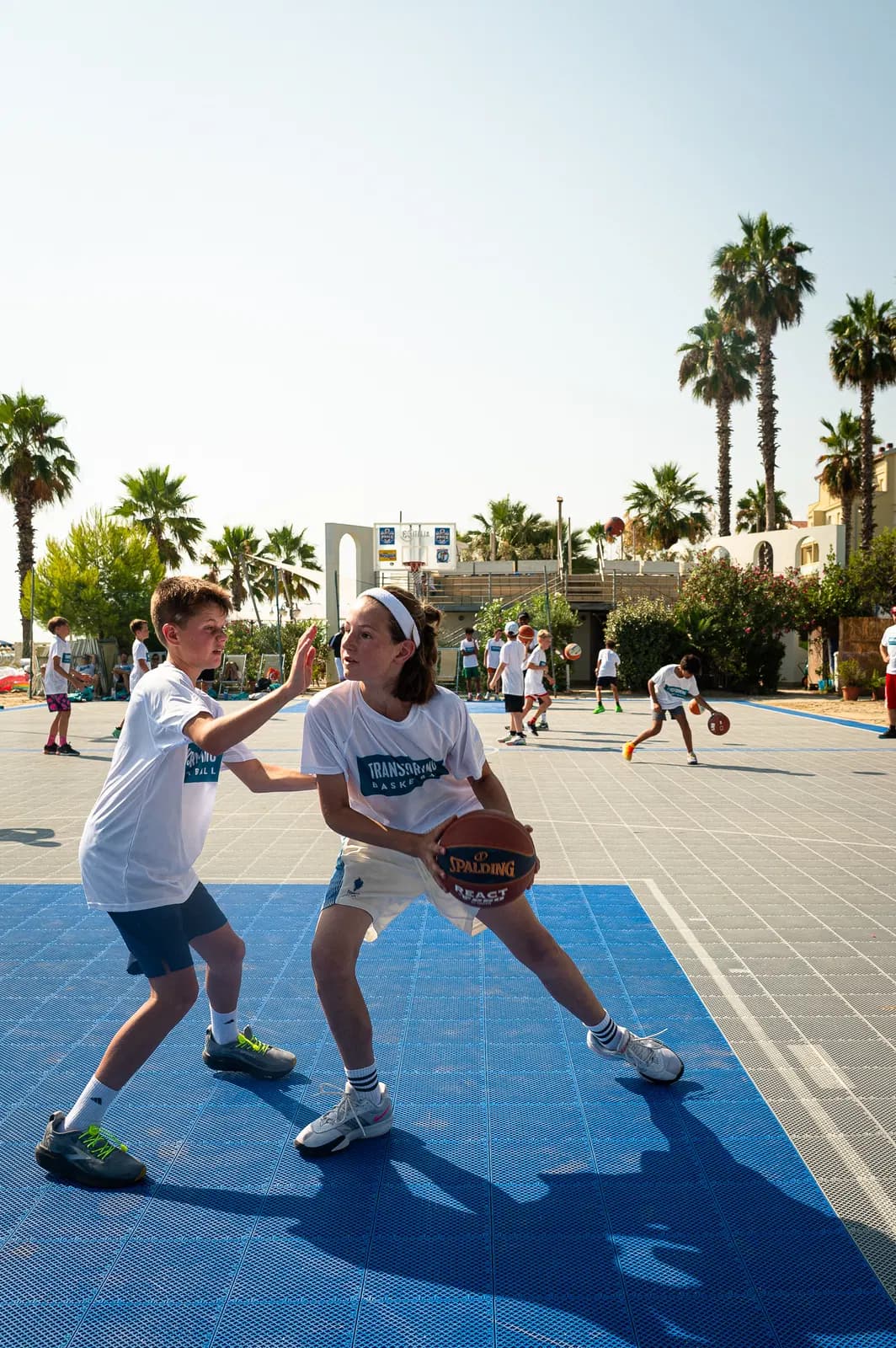
Free
21 SSGs for Your Next Practice
21 small-sided games you can run and adapt at your next practice — representative, game-like activities built around the Transforming Basketball approach.
The Small-Sided Games Book
$49 USD
Build on your free games. Build your practice around 50+ small-sided games, with diagrams and constraints you can adapt to your players.
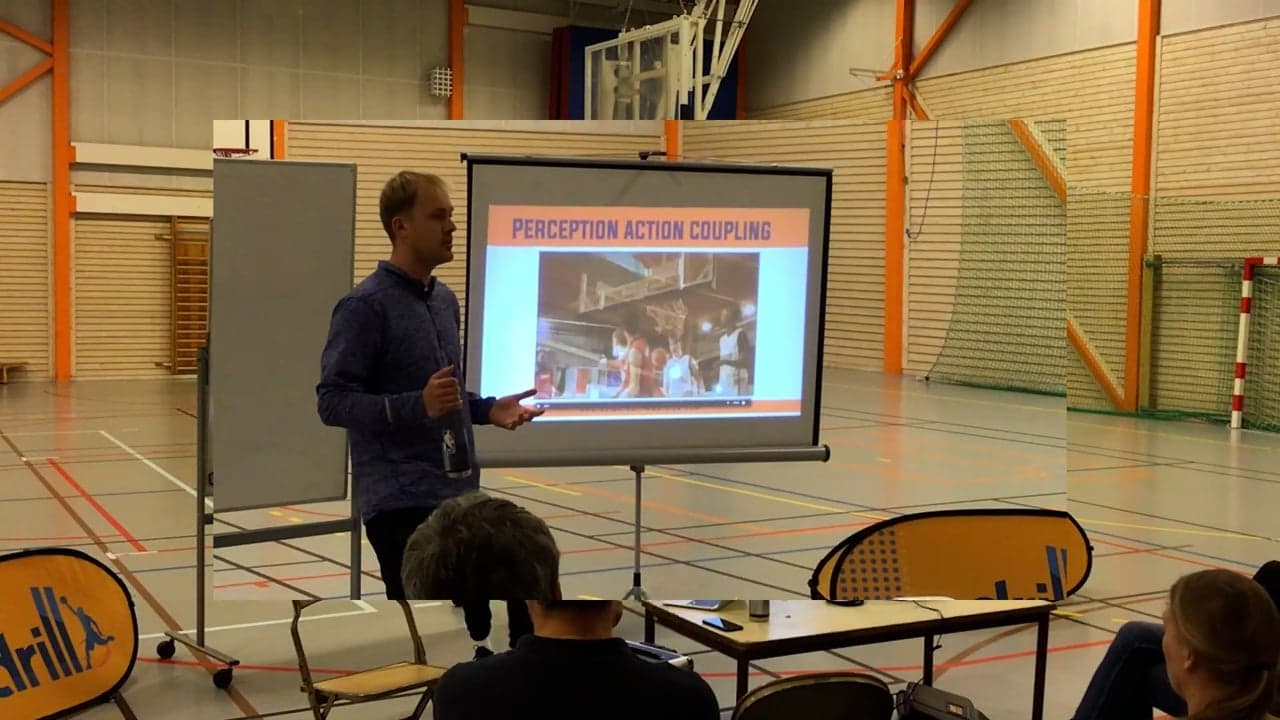
Introduction to the Constraints-Led Approach
$49 USD
Explore the framework behind representative practice with Alex Sarama's Introduction to the Constraints-Led Approach clinic.
Your path
Find your path (4 questions)
Answer four quick questions and we'll point you to one clear next step.
Behind the methodology
About Alex Sarama
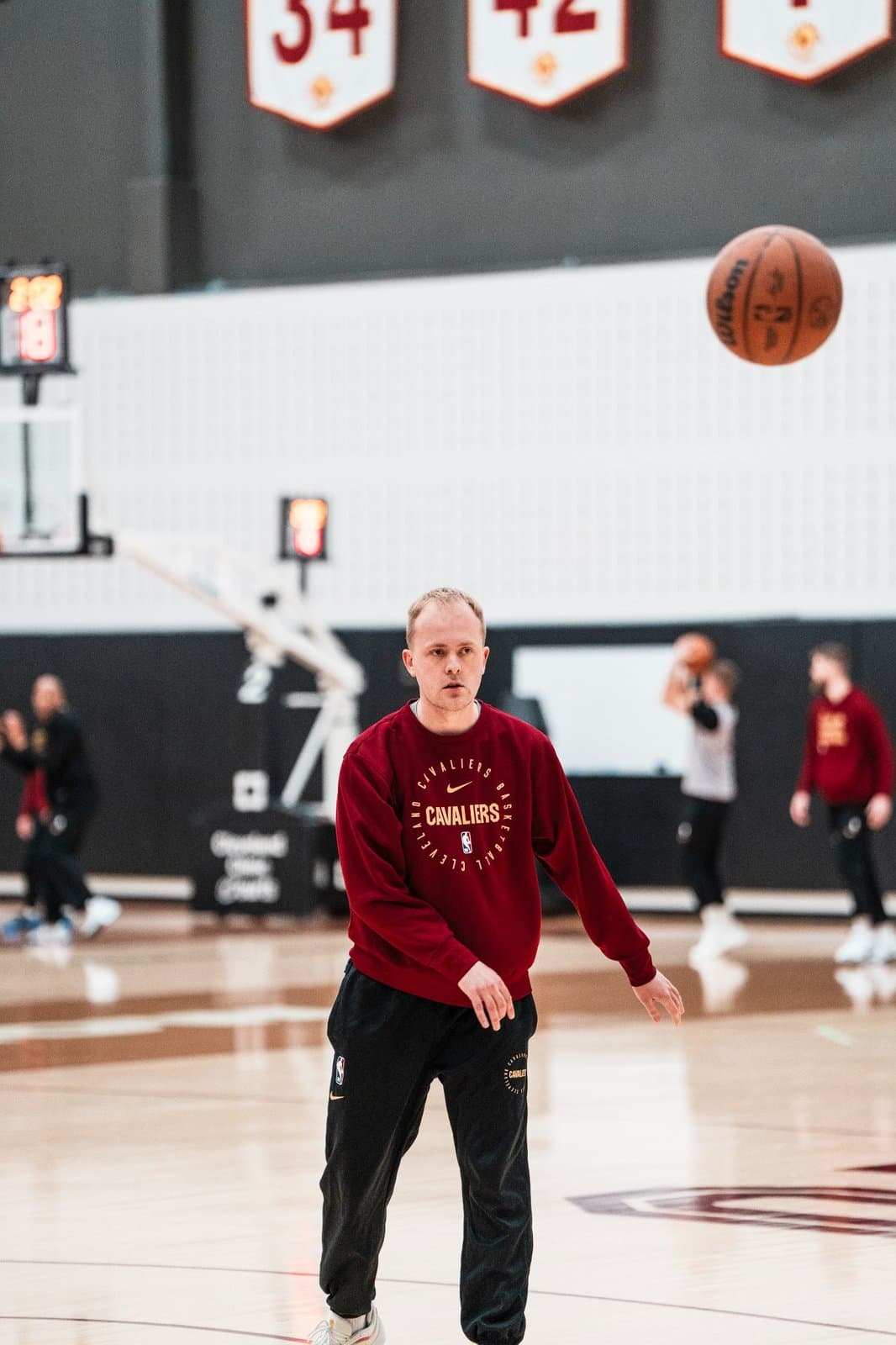

Alex Sarama
Founder, Transforming Basketball · Head Coach, Portland Fire
Alex Sarama is the founder of Transforming Basketball and Head Coach of the WNBA's Portland Fire, where he earned WNBA Coach of the Month honors in May 2026, the team's inaugural season. Previously, he served as Assistant Coach and Director of Player Development with the Cleveland Cavaliers.
His wider experience includes NBA Europe in Madrid, Paris Basketball in the EuroCup and the Rip City Remix, the Portland Trail Blazers' G League affiliate. Alex has delivered clinics in over 40 countries and has written three books on the constraints-led approach in basketball, including the Amazon bestselling Transforming Basketball (2024) and A Constraints-Led Approach to Coaching Basketball (2026).
- Founder of Transforming Basketball
- Head Coach, Portland Fire (WNBA)
- Former Assistant Coach & Director of Player Development, Cleveland Cavaliers
- Author of the Amazon bestselling Transforming Basketball
- Co-author of A Constraints-Led Approach to Coaching Basketball
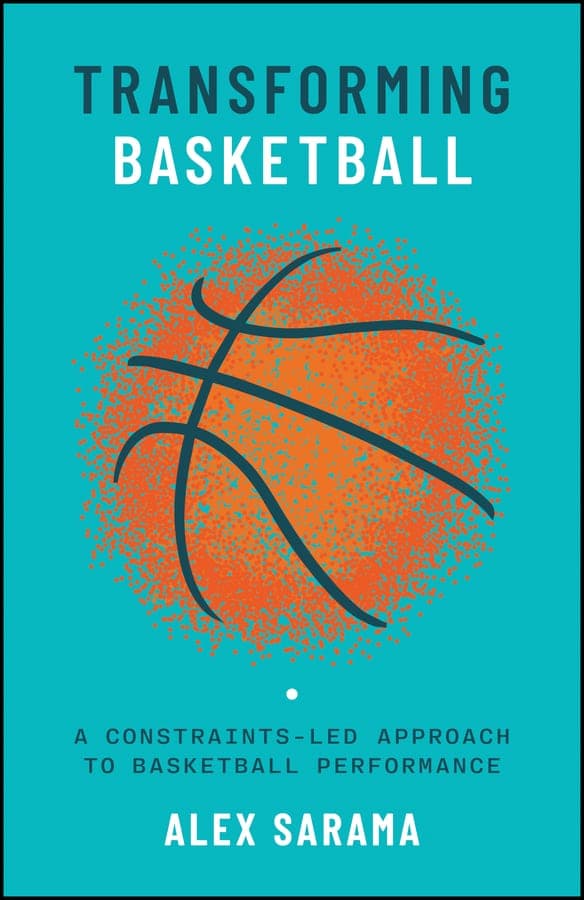
The book
Transforming Basketball
The Amazon bestselling book on applying a constraints-led approach to basketball performance — the methodology behind this guide, in full.
View the book on Amazon