
Transforming Basketball
انضم إلى العضويةهل أنت عضو بالفعل؟ تسجيل الدخول

Coaching Guide

الألعاب المصغّرة في كرة السلة

Small-sided games allow coaches to emphasize particular interactions by reducing the number of players. However, playing 3-on-3 does not automatically mean players are working on what the coach intended. The starting positions, defensive behavior, space and scoring system all influence what happens. At Transforming Basketball, we use constraints to shape these interactions based on what players need to develop.

3 دقائق قراءة
Young players and coaches in Transforming Basketball shirts running multiple small-sided games on an outdoor court

Why Small-Sided Games Are Only the Starting Point

Consider two different ways to play 3-on-3. In the first, the offense starts with a defender recovering from behind. In the second, all three defenders are matched up and the offense must begin with a ball screen.

The first activity allows players to work on maintaining or converting dominoes. The second requires them to create an advantage through a trigger and an appropriate coverage solution. The player numbers are identical, but the situations are different.

Coaches do not need to progress through 1-on-1, 2-on-2 and 3-on-3 in a fixed order. Choose the format and constraints based on the interactions you want players to experience.

Nonlinear Pedagogy Explained with Small Sided GamesWatch how a pass-or-shoot game changes when the starting locations change.

Maintain the Advantage: 3-on-2 Bursts

Start three offensive players outside the 3PT line, with two defenders holding the ball. A defender passes to the offense to begin the possession. Play until a score or defensive possession, then restart with the offensive players in different locations. Keep the same roles for one minute before changing.

The offense has an initial numerical advantage. Can the receiver shoot, drive or pass before the defenders recover? Are teammates adjusting their spacing so one defender cannot guard both of them?

If you want to emphasize attacking the paint, require a paint touch before a basket counts. This changes the activity: an open perimeter shot is no longer enough to score. Use that constraint when it matches your intention, rather than adding it to every advantage game.

Players practicing on the outdoor basketball courts at Transforming camp

Create the Advantage: Battleship 3-on-3

Choose a trigger, such as a get or ball screen, and four locations from which the offense can initiate it. To win, a team must score from an advantage created by the trigger at each of the four locations.

A qualifying basket earns a strike at that location. A basket that does not meet the requirement keeps the offense in possession but does not earn a strike. A defensive stop changes possession.

You can specify the defensive coverage to emphasize a particular solution. For instance, requiring the defense to switch a ball screen allows the offense to explore how to punish the switch. The trigger gives players a shared starting point, while the defense influences what they do next.

2-on-2 Train to TriggerA two-pass limit changes the urgency of creating an advantage.

Finish the Possession: Defensive Shutdown

For 12 players, organize three teams of four at one basket. Two teams play while the third waits outside the playing area. The first team to earn five defensive stops wins.

A stop counts when the defense forces a turnover or secures a rebound after a contested miss. An open miss does not count as a stop.

After a stop, the defense stays on and the waiting team enters on offense. After a basket, the scoring team becomes the defense, the previous defense leaves and the waiting team enters.

To emphasize rebounding, subtract one stop whenever the defense concedes an offensive rebound. Contesting the shot is only part of the possession; the defense still needs to secure the ball.

4-on-4-on-4 Defensive ShutdownFollow the possession through the shot: the defense still needs the rebound.

Change the Constraint Based on What You See

If the offense cannot use an initial advantage, start the recovering defender farther behind. If the offense scores without being challenged, bring that defender closer.

In a trigger game, keep one coverage consistent while players explore the available solutions. Then allow the defense to vary its coverage so the offense must recognize what is happening.

As the coach, you can demonstrate a possible solution when needed, then give players opportunities to use it against different defensive coverages.

Explore small-sided games

Keep learning

مجاني

21 لعبة مصغّرة لحصتك التدريبية القادمة

21 small-sided games you can run and adapt at your next practice, each one keeping the defenders, decisions and scoring of the real game.

سنرسل إليك المورد عبر البريد الإلكتروني، مع أفكار تدريبية من حين لآخر. يمكنك إلغاء الاشتراك في أي وقت. قد نستخدم بريدك الإلكتروني أيضًا لعرض إعلانات ملائمة لك على فيسبوك وإنستغرام. سياسة الخصوصية.

لغة المورد: الإنجليزية. التنزيل المجاني ورسائل البريد الإلكتروني اللاحقة متاحة حاليًا باللغة الإنجليزية فقط.

The Small-Sided Games Book

The Small-Sided Games Book

$49 USD

انطلق أبعد من ألعابك المجانية. ابنِ تدريبك حول أكثر من 50 لعبة مصغّرة، مع رسوم توضيحية وقيود يمكنك تكييفها مع لاعبيك.

Introduction to the Constraints-Led Approach

Introduction to the Constraints-Led Approach

$49 USD

تعرّف على الإطار الذي يقوم عليه التدريب التمثيلي من خلال عيادة Alex Sarama بعنوان Introduction to the Constraints-Led Approach.

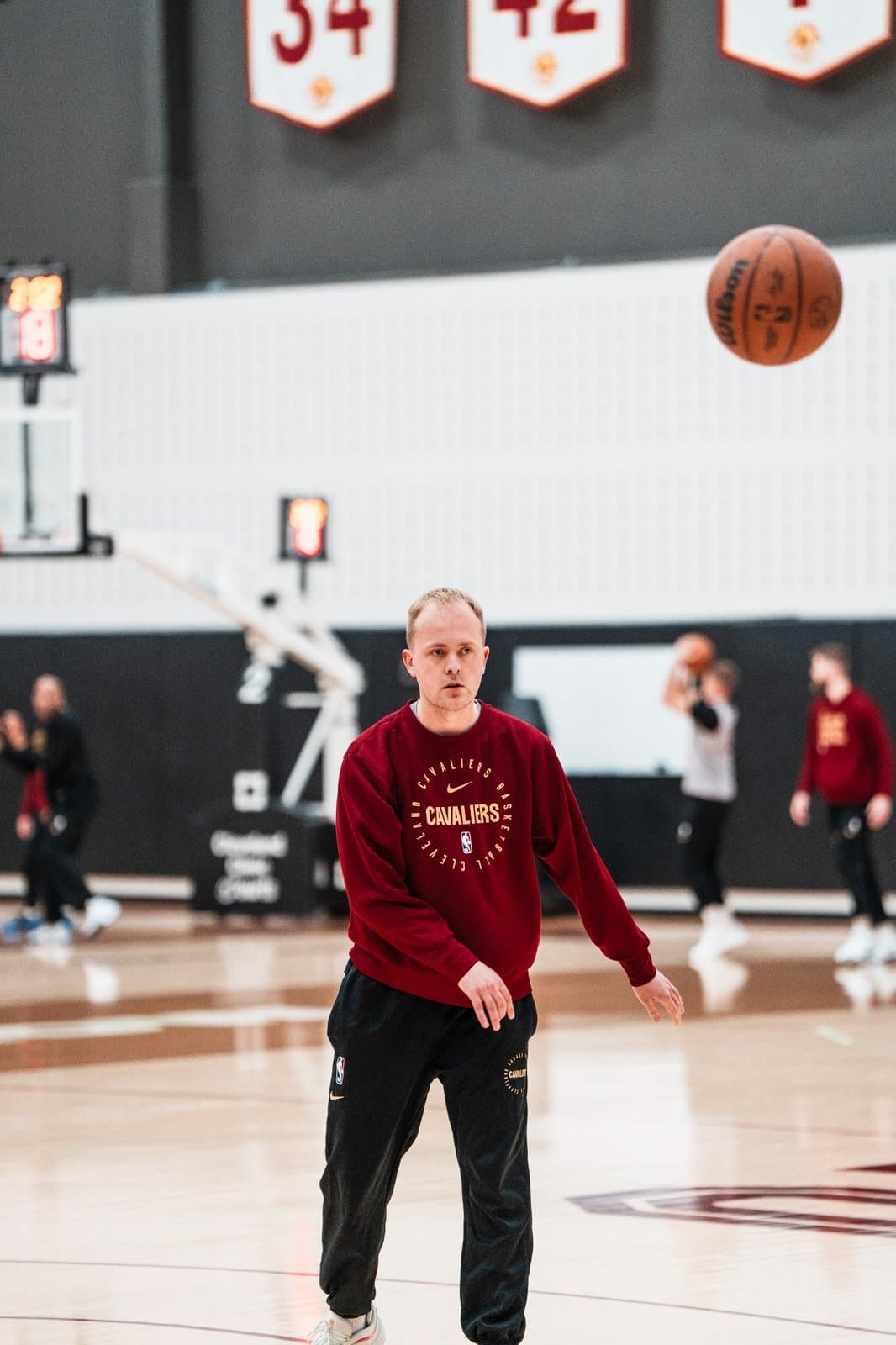
Alex Sarama coaching with the Cleveland Cavaliers

وراء المنهجية

عن Alex Sarama

Alex Sarama is the founder of Transforming Basketball and Head Coach of the WNBA's Portland Fire. Previously, he served as Assistant Coach and Director of Player Development with the Cleveland Cavaliers.

وتشمل خبرته أيضًا NBA Europe في مدريد، وParis Basketball في EuroCup، وRip City Remix، الفريق التابع لـPortland Trail Blazers في G League. قدّم Alex عيادات تدريبية في أكثر من 40 دولة، وألّف ثلاثة كتب عن النهج القائم على القيود في كرة السلة، منها Transforming Basketball (2024) الأكثر مبيعًا على Amazon وA Constraints-Led Approach to Coaching Basketball (2026).

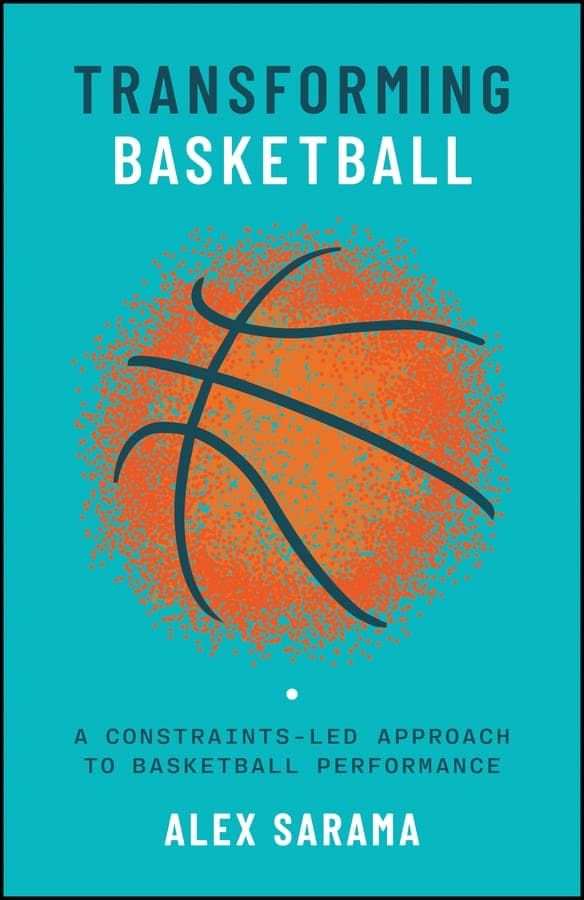
Book cover of Transforming Basketball: A Constraints-Led Approach to Basketball Performance by Alex Sarama

الكتاب

Transforming Basketball

الكتاب الأكثر مبيعًا على Amazon حول تطبيق النهج القائم على القيود على الأداء في كرة السلة، ويضم المنهجية الكاملة التي يقوم عليها هذا الدليل.

اطّلع على الكتاب في Amazon

واصل تطوير مهاراتك التدريبية.

اربط هذه الأفكار بـ Success Pathway ومكتبة فيديو الأنشطة ومجتمع المدربين والجلسات المباشرة الشهرية.

استكشف العضوية