Transforming resource
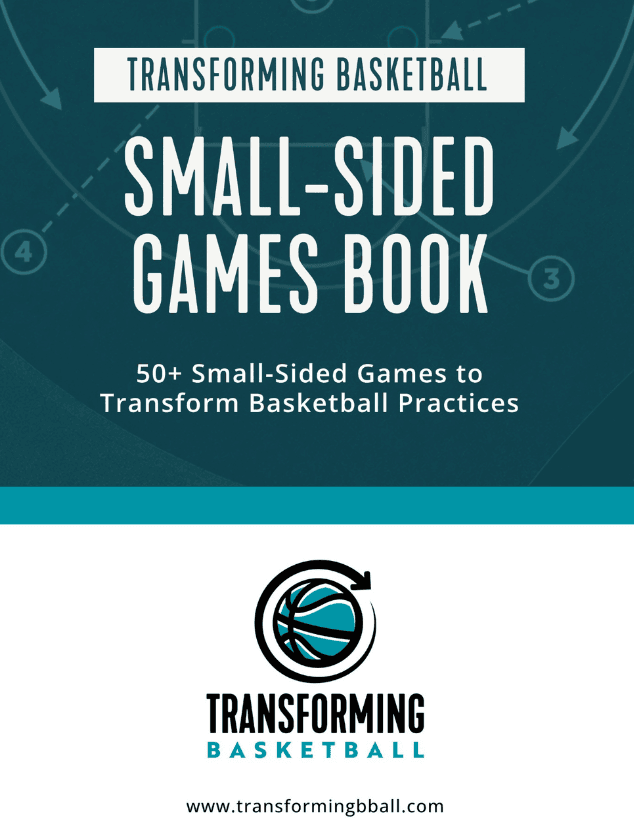
The Small-Sided Games Book
$49 USD
For coaches who want better practice activities they can use immediately.

言語
サイトの表示言語を切り替えます。コース、ダウンロード、決済、配信は、ページに記載がない限り英語のままです。
Coaching Guide
Practice design starts with a basketball problem: what do these players need to learn to do? A team struggling to keep an advantage needs different conditions from a team struggling to create one.
Quick answer
Basketball practice design connects a team’s principles of play and individual development needs to the activities players experience. It involves choosing and adapting the numbers, space, rules, opposition and information within each task.
Choose the players, space, opposition and scoring that make that problem appear. Then watch how the activity unfolds. The coach’s work is in those observations and adjustments, as much as in the original plan.
Worked example
Change the task when the problem changes. What separates a small-sided game from a constraints-led approach?
Keep the starting advantage useful by changing the conditions around it.
Start 1-on-1 with the ball against the defender’s back. The defender faces the basket; removing the ball starts play.
If the intention is to finish before the defender recovers, score only near the rim. Change the available time or starting distance to suit the players.
A time or dribble constraint changes how the offense can use the advantage. Add another player only when their interaction is part of the problem you want to explore.
Does the offensive player use the head start, or spend so long that the defender recovers? Watch how a different opponent changes the finish.
Go further
Where to start with the CLAThe foundations
If the intention is to pass when help arrives, include the help defender and a teammate to receive. A coach calling a color may create a reaction, but it does not recreate the information in that basketball decision.
A 2-on-1 makes a pass-or-finish problem more accessible. A 2-on-2 pick and roll adds the interaction between handler, screener and their defenders. Add a third pair when the read depends on a tag or rotation.
Prepare balls, boundaries and rotations before the explanation. Short bursts can keep the same players solving the problem without joining a queue after every attempt. Plan recovery between bursts.
The defense needs a reason to compete and useful problems to solve. Score stops, deflections or recoveries where relevant, and coach their responses as carefully as the offensive ones.
Why it matters
A live activity can still give players more space or time than the situation you want them to practice. In a 2-on-2 pick and roll, consider where the other six players would be in 5-on-5. The available space, defensive coverage and time should help recreate the problem you want the pair to solve.
For example, play 2-on-2 in a reduced half-court area with a six-second shot clock and have the defense ice the screen: direct the ball away from it. Let the offense explore before offering possibilities such as changing the screen angle or using a handoff. Watch whether those possibilities fit what the defense actually does.

On the floor
For example: “Use the driving advantage before the helper recovers.” This is more useful than naming a drill or a broad skill such as passing.
Use a closeout, a recovering defender or a trigger that creates the situation. Vary where the players begin so the solution cannot be rehearsed before the ball arrives.
Watch the timing of the drive, the helper’s response and the receiver’s position. Locate the part of the interaction that keeps breaking down before changing the rule.
If the ball-handler never reaches the help, increase the starting advantage. If a teammate stands in the driving lane, work with the spacing. Keep the next change connected to what happened.
Take it to practice
Starting points to shape for your group. Pick one, then adjust the numbers and scoring.
Free coaching resource
21 small-sided games you can run and adapt at your next practice — representative, game-like activities built around the Transforming Basketball approach.
Watch, listen & read
A few clips, conversations and reads to go deeper — then the whole library is one link away.
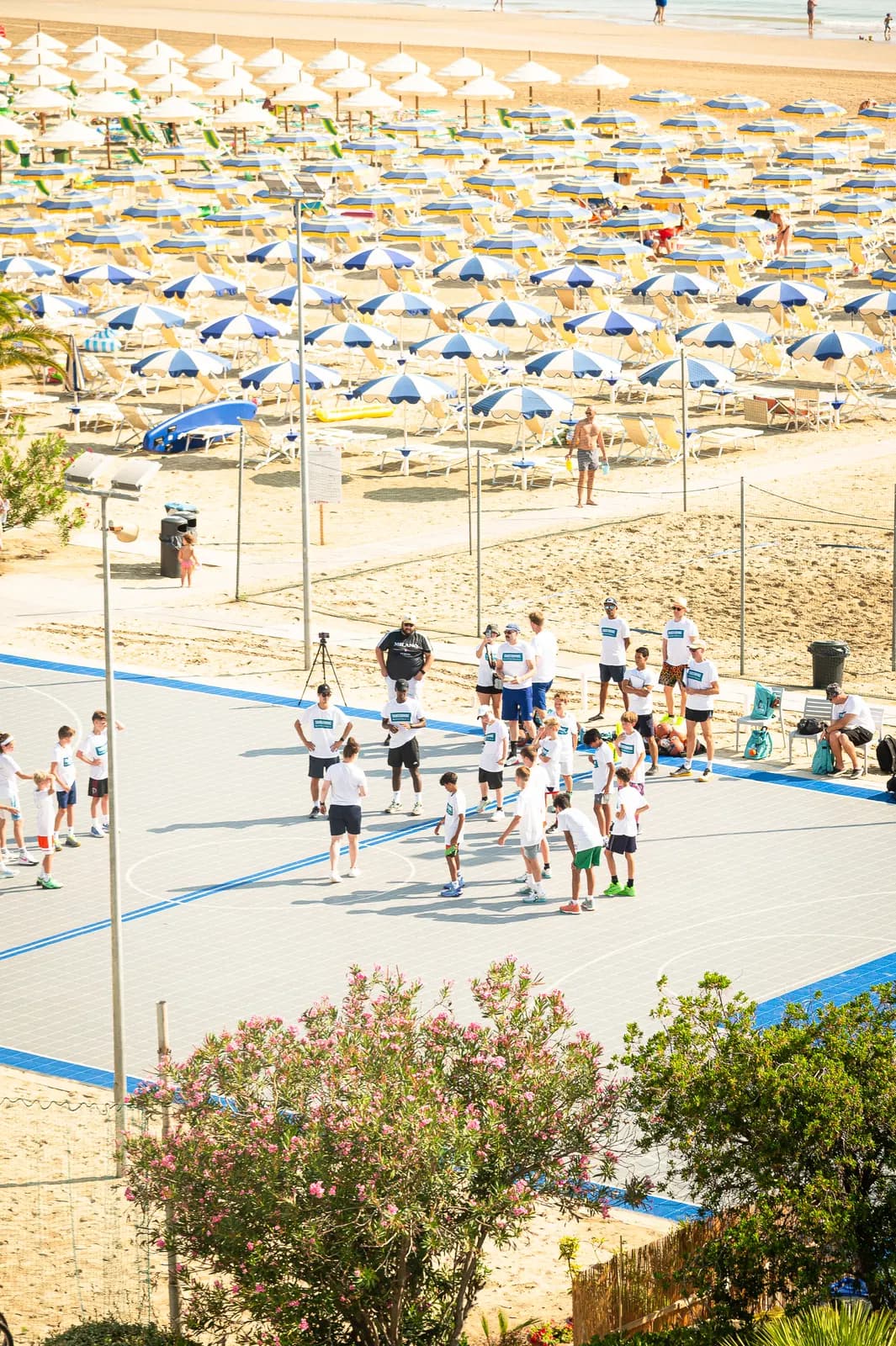
George Vaz · U11 session
Watch for: Which single change would make this game harder for your strongest players without excluding the rest?
Transforming Basketball Podcast
Listen for: How would you distinguish intentional constraints-led practice from simply organizing a game?
From research to practice
Transforming Basketball explainer
Choosing purposeful constraints
Choose a basketball problem, observe how players respond, and adjust the task to suit them.
Where to start for coaches new to a constraints-led approach · Transforming Basketball
Questions
Increase the starting advantage, reduce the number of defenders, give defenders fewer steps or scale the equipment. Preserve the relationship players need to experience, such as an offensive player responding to a defender, while making it easier to explore.

The Transforming perspective
An activity that does not work as expected tells the coach something. Use that information to change the task, rather than deciding the players need another explanation of the same instructions.
Behind the methodology
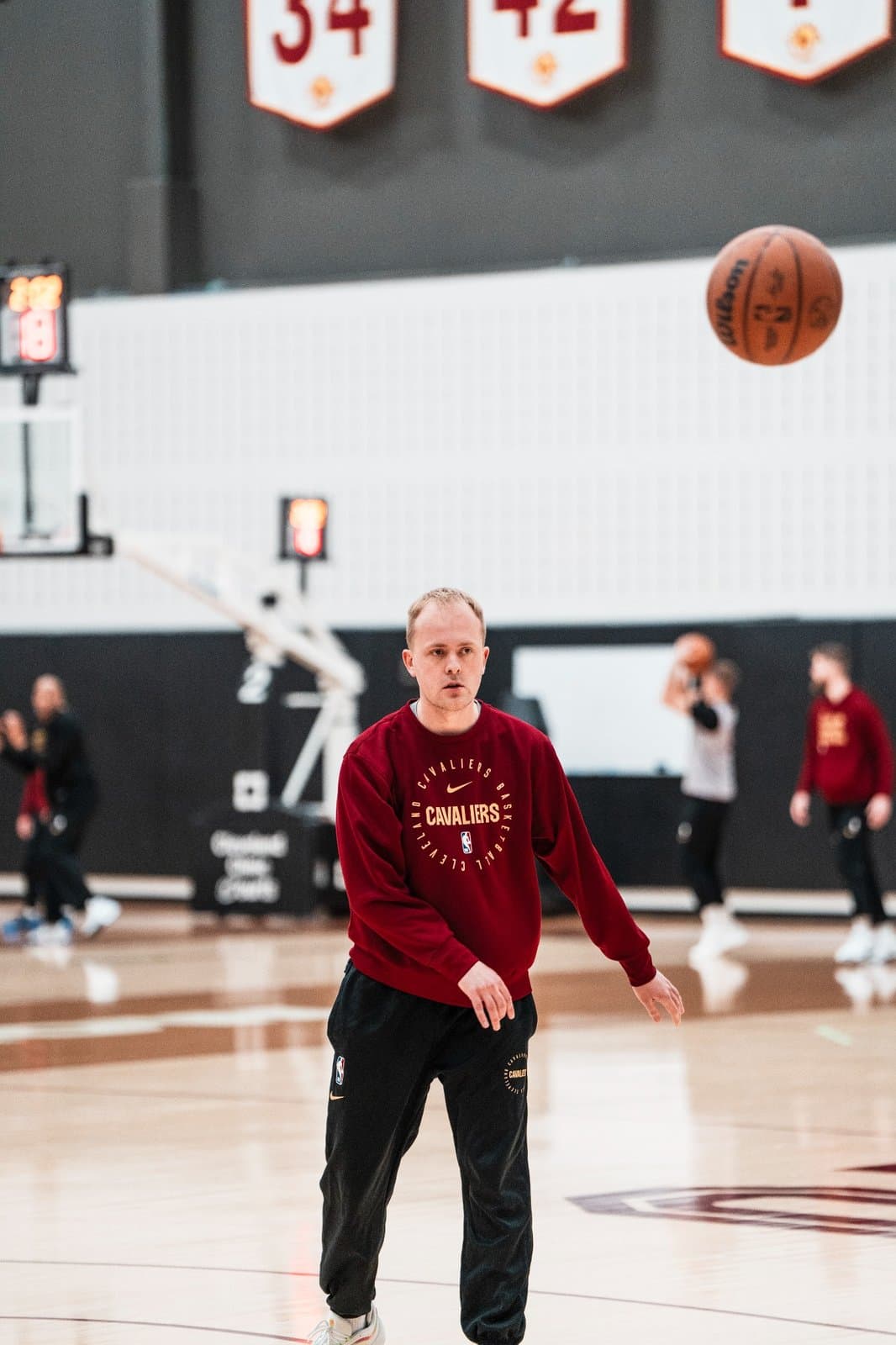
Alex Sarama is the founder of Transforming Basketball and Head Coach of the WNBA's Portland Fire. Previously, he served as Assistant Coach and Director of Player Development with the Cleveland Cavaliers.
His wider experience includes NBA Europe in Madrid, Paris Basketball in the EuroCup and the Rip City Remix, the Portland Trail Blazers' G League affiliate. Alex has delivered coaching education internationally and is the author of the Amazon bestselling book Transforming Basketball.

The book
The Amazon bestselling book on applying a constraints-led approach to basketball performance — the methodology behind this guide, in full.
View the book on AmazonContinue learning
Transforming resource
$49 USD
For coaches who want better practice activities they can use immediately.
Free
21 small-sided games you can run and adapt at your next practice — representative, game-like activities built around the Transforming Basketball approach.