





Practical Ideas

Sep 1, 2025
Adam Omiecinski
Learn proactive strategies for handling resistance, uniting your program, and building trust with parents through evidence-based coaching approaches.
A big hurdle to overcome in making the leap into utilizing the CLA is the pushback you can receive from those on the outside such as parents administrators and other coaches. The players themselves are often the easiest - from youth to pro - as they immediately recognize the value this type of training provides!
With the dominant approach being so entrenched at all levels of basketball, everyone will have established expectations on how a coach is meant to coach in practice, or what they do on the sidelines during a game.

Aug 25, 2025
Adam Omiecinski
Living in the age of information, paralysis by analysis is easier to experience than ever. Implementing a Constraints-Led Approach with a basketball team is no different. Sifting through the research, books (such as the book, Transforming Basketball), podcasts, etc., you are inundated with potential routes to using a CLA and it can be difficult to decide where to start. The starting point we would suggest is centered around principles of play.

Aug 11, 2025
admin
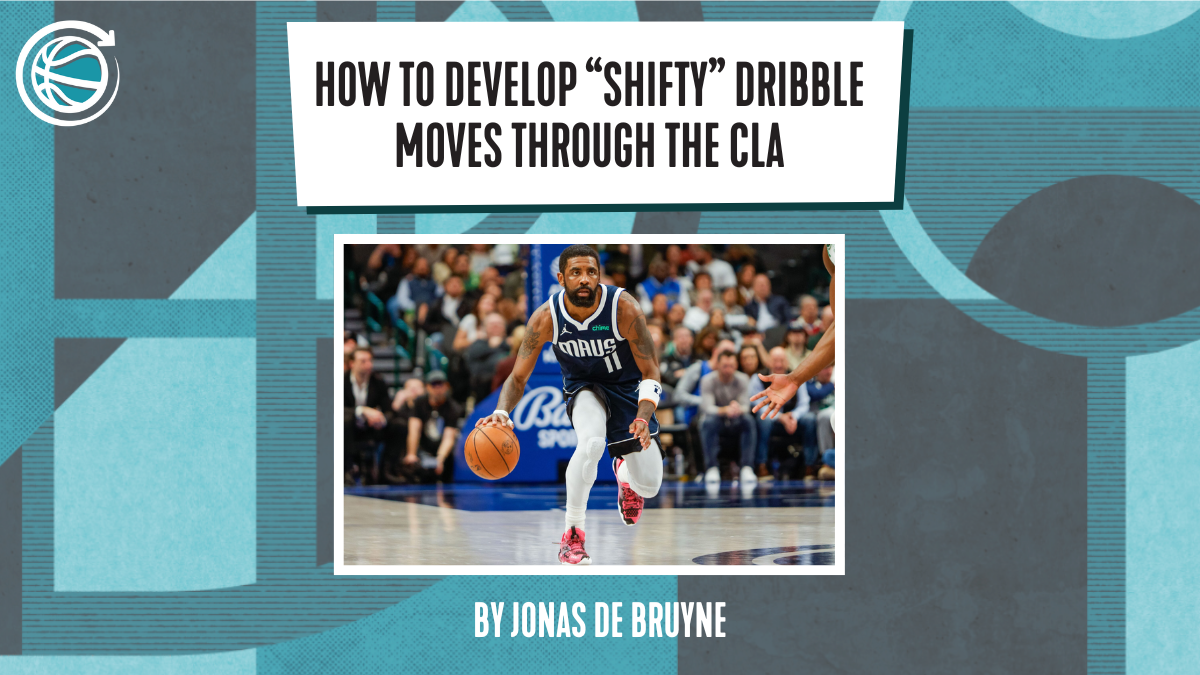
A while ago I had a really good conversation with another coach here in Germany. I re-posted a particularly ‘shifty’ dribble move on Instagram, and he wanted to know how I would ‘teach’ that using the CLA.
Oct 28, 2024
admin
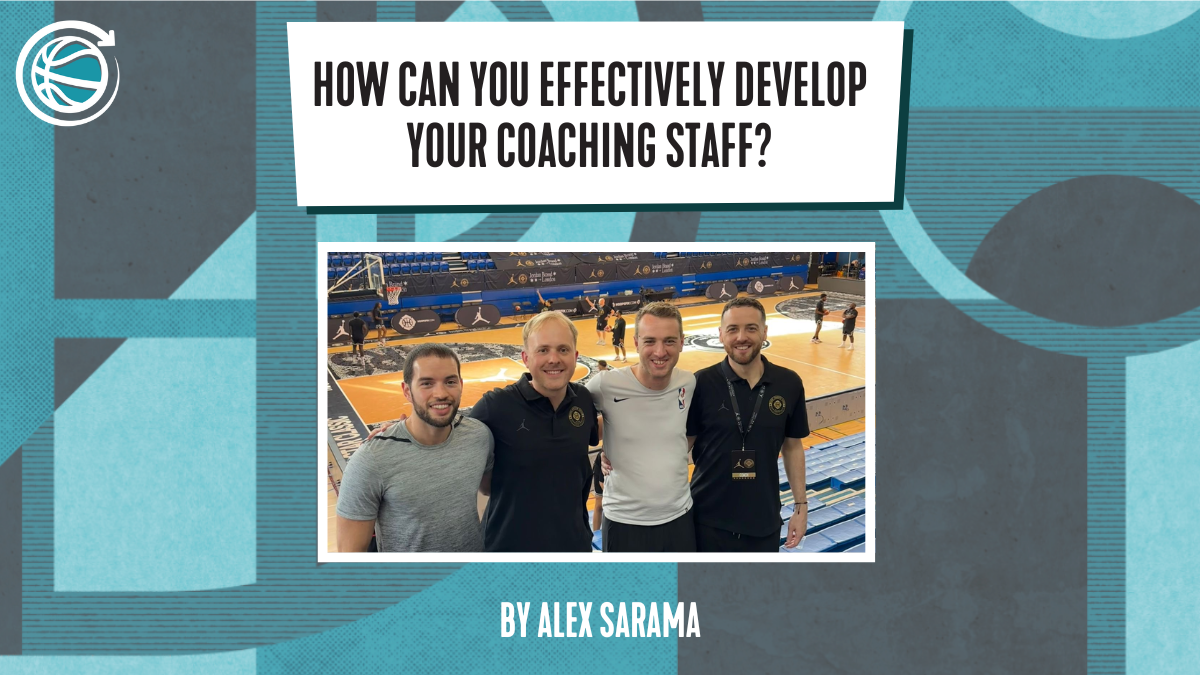
How do you introduce the Constraints-Led Approach (CLA) to an entire coaching staff? Discover practical strategies for building trust, providing the right resources, running effective workshops, and using Staff Development Plans to help your coaches confidently embrace the CLA framework.
Oct 14, 2024
Alex Sarama
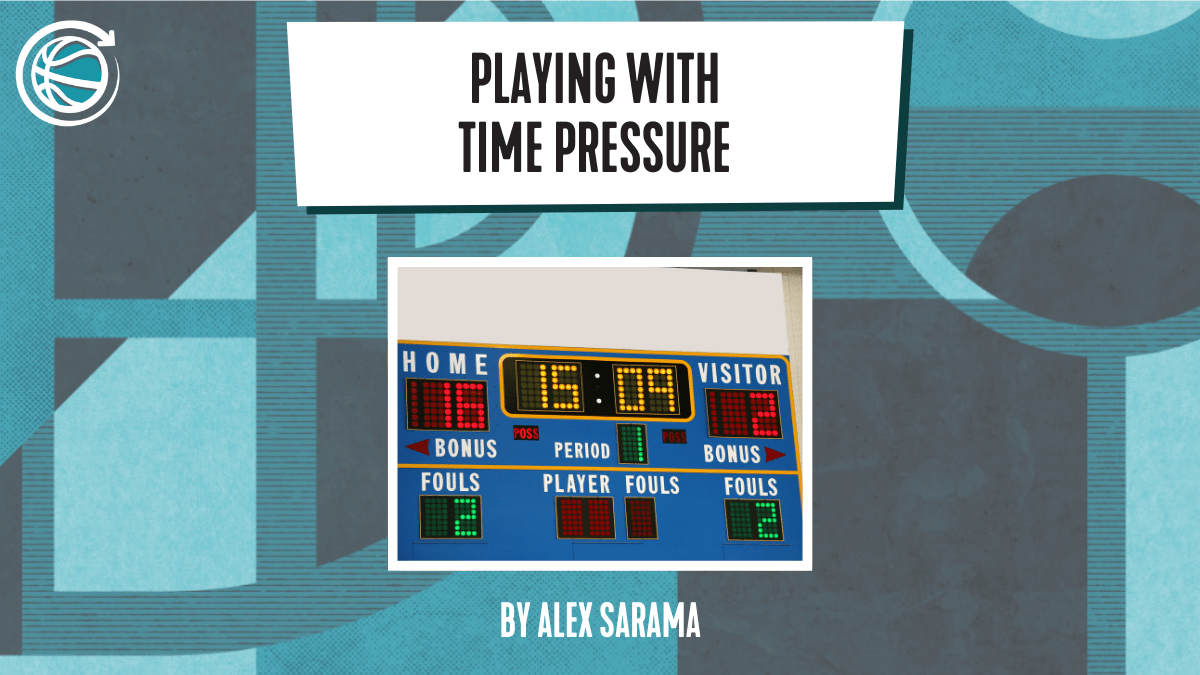
We integrate time pressure into our practices using a random clock during small-sided games, fostering decisive actions on offense and defense. This approach promotes adaptability and intentionality in game-like scenarios, complemented by stable clock periods for variation.
Sep 23, 2024
Alex Sarama
"Advance the Ball" is a versatile activity for large groups with limited court space, inspired by Spanish coach Jose Daniel Gonzalo. Players engage in 3-on-3, 2-on-2, and 3-on-3 formats using two balls and designated grids. The aim is to score only in assigned baskets, fostering adaptability and responsiveness while enhancing scanning abilities.
Sep 9, 2024
Alex Sarama
In basketball, effective learning requires finding new, functional solutions rather than repeating the same outcomes over and over again. For instance every pick and roll situation is unique, yet many practices rely on predetermined drills that don't reflect the complexity of the game. Read this blog to learn about what it means for coaches to properly create an effective learning environment in practice.
Aug 26, 2024
Alex Sarama
Playing more 1-on-1 can be one of the best ways to improve your players. However, how can base versions of 1-on-1 be improved by using constraints, allowing players to be far more skilful compared to playing ones in the same way every time? This blog provides ideas to be more intentional when using 1-on-1 in practice: such as frequently changing match-ups and setting specific goals.
Aug 5, 2024
Alex Sarama
While line and box drills continue to remain popular in youth basketball, why are they not as effective as many coaches think? Despite many basketball camps making use of such activities, the line and box drills have extremely limited value, if any, in the context of youth development. Read this blog to find out why, as well as discovering better alternatives.
Jul 15, 2024
Alex Sarama




check what's trending
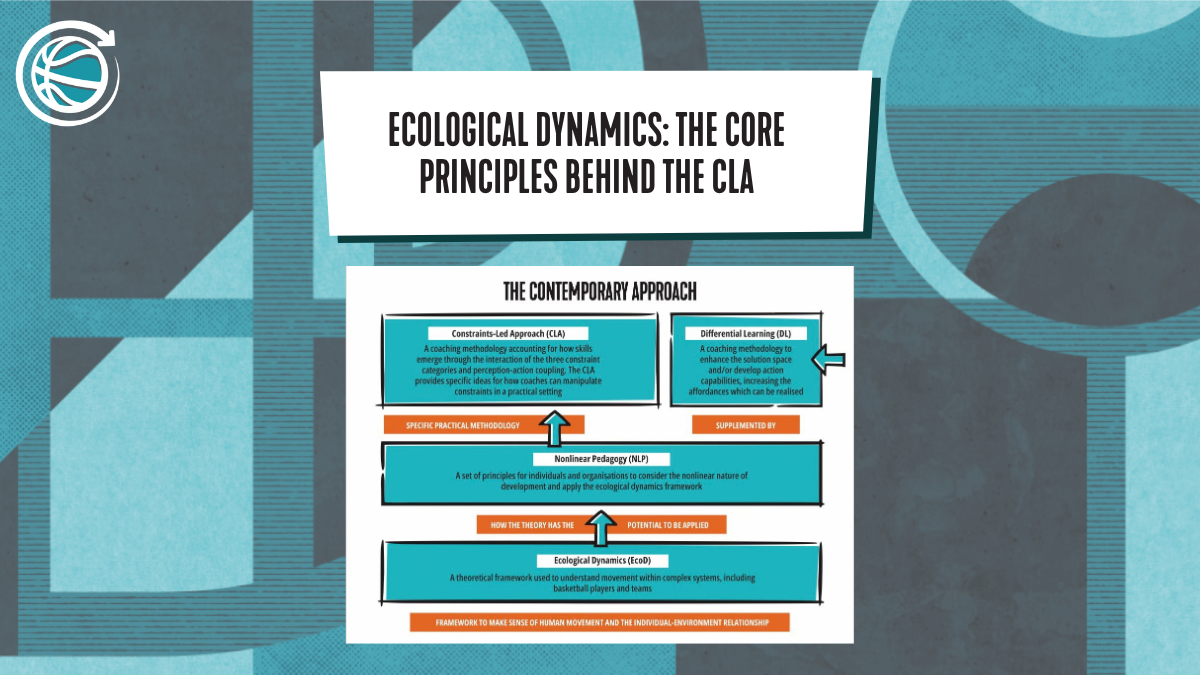
What is ecological dynamics and how is it connected to a constraints-led approach?
Dec 8, 2025
George Vaz

Are you searching for the best small sided games (SSGs) to improve your basketball practices? Want to replace boring, low-transfer drills with competitive games that actually develop player decision-making and in-game skills?
In this post, I’m sharing my top 5 favorite small-sided basketball games—designed to teach core concepts like closeouts, pick-and-roll, advantage creation, and transition offense and defense. These basketball SSGs are intense, purposeful, and built around real-game actions.
Whether you're coaching youth basketball, high school, or pros, these top small sided games will make your sessions more effective, more engaging, and more fun—for both players and coaches.
Let’s break down each game and how it can transform your practices.
Aug 4, 2025
George Vaz

Whether you’re coaching in the NBA, EuroLeague, or youth basketball, one thing remains universally true: the worst transition offense is still more efficient than the best half-court offense. Yet, many teams still struggle to fully capitalize on transition opportunities, often opting to slow down the game instead of pushing the pace. The question is, why? By running more intentionally, teams can create easier scoring opportunities. So why do some teams hesitate?
Apr 7, 2025
George Vaz
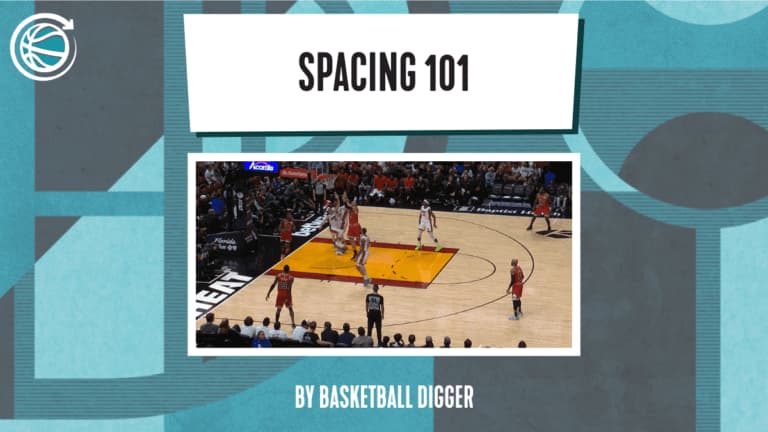
Spacing has changed the game. NBA offenses today look nothing like they did in the ’90s—more threes, better efficiency, and smarter shot selection. But why? The key lies in how teams use space to create and capitalize on advantages.
Mar 31, 2025
Simon Caret
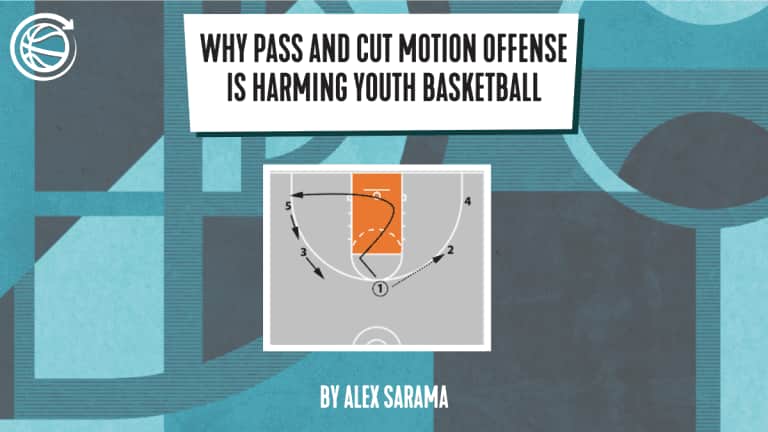
This article breaks down why pass and cut motion offense limits youth player development, and explores better ways to teach spacing, decision-making, and offensive creativity.
May 1, 2024
Alex Sarama
Approaches within the basketball industry are predominantly based upon experiential knowledge and traditions.


