

Why Coaches Need to Understand Self-Determination Theory





Developed by psychologists Edward Deci and Richard Ryan in the 1980s, Self-Determination Theory (SDT) explains how human motivation operates on a spectrum. Rather than simply being “motivated” or “unmotivated,” SDT focuses on the quality of motivation. It emphasizes that motivation can be:
- Controlled (extrinsic)—driven by external rewards or pressures.
- Autonomous (intrinsic)—driven by personal interest, enjoyment, or value in the activity itself.
This is extremely relevant for us coaches if we want to get the best out of our players and staff!
According to SDT, people thrive when three fundamental psychological needs are met:
- Autonomy: Feeling in control of your actions and choices.
- Competence: Experiencing mastery and the ability to overcome challenges.
- Relatedness: Feeling connected to others and having a sense of belonging.

When these needs are satisfied, motivation becomes self-sustaining, and people perform better, experience greater well-being, and are more resilient in the face of challenges.
Applying SDT in Basketball Coaching
Understanding SDT can transform how you work with others or pursue your own goals. Here’s how you can bring its principles into practice:
1. Autonomy: Give Players Ownership
People need to feel a sense of control over their decisions. In coaching, this means offering choices and encouraging players to think for themselves. You can achieve this by simply asking players more questions in film, asking them what they’d like to do for a warm-up, or even getting their feedback in time-outs. This also relates to the environment created for players to self-explore and find functional solutions in practice, instead of prescribing every move.
2. Competence – Build Confidence Through Challenge
Competence doesn’t mean making things easy. It’s about creating the right level of challenge—the optimal challenge point.

3. Relatedness – Foster a Sense of Community
Humans are social creatures, and feeling connected matters. This is all the same regardless of whether you’re coaching beginners or the best players in the world. Building relationships, trust, and a positive culture makes people more likely to engage deeply with fellow teammates. In teams, this means encouraging collaboration, mutual respect, and shared goals.
Post practice or even during the middle of a drill/game you can stop the game to celebrate collective success.
Why SDT Matters in Long-Term Development
When we simply chase external rewards—like trophies and recognition— SDT informs us that continuous motivation becomes unsustainable. What happens when this stops? Interest fades out, burnout hits, or progress stalls.
However, when we focus on autonomy, growth, and connection, we INSPIRE real, lasting motivation. In coaching, SDT helps athletes build love for the game, solid habits, and resilience that sticks. Whether you’re a coach, teacher, or just aiming to grow, it’s not about rewards. It’s about creating spaces where people thrive.
Here are some practical ways to apply Self-Determination Theory (SDT) in basketball, focusing on the key components of autonomy, competence, and relatedness:
1. Foster Autonomy: Empower Your Players
Autonomy means giving athletes control over their learning and decisions.
- Small-Sided Games: Probably the easiest thing you can adopt as a coach, if you haven’t already. Use game-like situations that require players to make decisions.
- Provide Choices: As mentioned above, give players a choice. Of course they will be more motivated when they choose it! For example, “do you want to start working on finishing at the rim or 3PT shooting?”
- Encourage Self-Reflection: After practice, ask players what they think went well and what could be improved.
2. Build Competence: Challenge and Support
Competence grows through appropriate challenges and consistent progress.
- Specific Feedback: Focus on effort and progress. Say, “Great decision to shoot”, instead of just “good shot.”
- Use Constraints: Add constraints to encourage specific skills emerging (e.g., limit dribbles in 3-on-3 to promote passing and other creative solutions).
- Track Progress: Celebrate improvements with analytics or video.
3. Cultivate Relatedness: Build Team Connection
Relatedness is about creating trust and a sense of belonging.
- Team Huddles: Start or end practices with players recognizing each other’s efforts.
- Pair Players for Drills: Rotate partners to build stronger connections.
- Off-Court Activities: Where possible have the players eat lunch and dinner together without phones. Or team activities during practice time.
- Be Approachable: Show interest in players’ lives outside basketball.
After games, ask players to share one positive thing about a teammate’s performance, using the team’s language and specific principles of play.
Quick Tip
Regularly reflect on your practice sessions: Are they supporting autonomy, competence, and relatedness? Adjust and adapt your approach to keep players engaged and motivated.
Conclusion
Self-Determination Theory teaches us that motivation isn’t something we simply “give” to our players. It’s something we nurture by understanding and supporting their psychological needs. As a coach, teacher, or leader, your role is to build environments where autonomy, competence, and relatedness can flourish.




Developed by psychologists Edward Deci and Richard Ryan in the 1980s, Self-Determination Theory (SDT) explains how human motivation operates on a spectrum. Rather than simply being “motivated” or “unmotivated,” SDT focuses on the quality of motivation. It emphasizes that motivation can be:
- Controlled (extrinsic)—driven by external rewards or pressures.
- Autonomous (intrinsic)—driven by personal interest, enjoyment, or value in the activity itself.
This is extremely relevant for us coaches if we want to get the best out of our players and staff!
According to SDT, people thrive when three fundamental psychological needs are met:
- Autonomy: Feeling in control of your actions and choices.
- Competence: Experiencing mastery and the ability to overcome challenges.
- Relatedness: Feeling connected to others and having a sense of belonging.
When these needs are satisfied, motivation becomes self-sustaining, and people perform better, experience greater well-being, and are more resilient in the face of challenges.
Applying SDT in Basketball Coaching
Understanding SDT can transform how you work with others or pursue your own goals. Here’s how you can bring its principles into practice:
1. Autonomy: Give Players Ownership
People need to feel a sense of control over their decisions. In coaching, this means offering choices and encouraging players to think for themselves. You can achieve this by simply asking players more questions in film, asking them what they’d like to do for a warm-up, or even getting their feedback in time-outs. This also relates to the environment created for players to self-explore and find functional solutions in practice, instead of prescribing every move.
2. Competence – Build Confidence Through Challenge
Competence doesn’t mean making things easy. It’s about creating the right level of challenge—the optimal challenge point.
3. Relatedness – Foster a Sense of Community
Humans are social creatures, and feeling connected matters. This is all the same regardless of whether you’re coaching beginners or the best players in the world. Building relationships, trust, and a positive culture makes people more likely to engage deeply with fellow teammates. In teams, this means encouraging collaboration, mutual respect, and shared goals.
Post practice or even during the middle of a drill/game you can stop the game to celebrate collective success.
Why SDT Matters in Long-Term Development
When we simply chase external rewards—like trophies and recognition— SDT informs us that continuous motivation becomes unsustainable. What happens when this stops? Interest fades out, burnout hits, or progress stalls.
However, when we focus on autonomy, growth, and connection, we INSPIRE real, lasting motivation. In coaching, SDT helps athletes build love for the game, solid habits, and resilience that sticks. Whether you’re a coach, teacher, or just aiming to grow, it’s not about rewards. It’s about creating spaces where people thrive.
Here are some practical ways to apply Self-Determination Theory (SDT) in basketball, focusing on the key components of autonomy, competence, and relatedness:
1. Foster Autonomy: Empower Your Players
Autonomy means giving athletes control over their learning and decisions.
- Small-Sided Games: Probably the easiest thing you can adopt as a coach, if you haven’t already. Use game-like situations that require players to make decisions.
- Provide Choices: As mentioned above, give players a choice. Of course they will be more motivated when they choose it! For example, “do you want to start working on finishing at the rim or 3PT shooting?”
- Encourage Self-Reflection: After practice, ask players what they think went well and what could be improved.
2. Build Competence: Challenge and Support
Competence grows through appropriate challenges and consistent progress.
- Specific Feedback: Focus on effort and progress. Say, “Great decision to shoot”, instead of just “good shot.”
- Use Constraints: Add constraints to encourage specific skills emerging (e.g., limit dribbles in 3-on-3 to promote passing and other creative solutions).
- Track Progress: Celebrate improvements with analytics or video.
3. Cultivate Relatedness: Build Team Connection
Relatedness is about creating trust and a sense of belonging.
- Team Huddles: Start or end practices with players recognizing each other’s efforts.
- Pair Players for Drills: Rotate partners to build stronger connections.
- Off-Court Activities: Where possible have the players eat lunch and dinner together without phones. Or team activities during practice time.
- Be Approachable: Show interest in players’ lives outside basketball.
After games, ask players to share one positive thing about a teammate’s performance, using the team’s language and specific principles of play.
Quick Tip
Regularly reflect on your practice sessions: Are they supporting autonomy, competence, and relatedness? Adjust and adapt your approach to keep players engaged and motivated.
Conclusion
Self-Determination Theory teaches us that motivation isn’t something we simply “give” to our players. It’s something we nurture by understanding and supporting their psychological needs. As a coach, teacher, or leader, your role is to build environments where autonomy, competence, and relatedness can flourish.




check what's trending

What is ecological dynamics and how is it connected to a constraints-led approach?
Dec 8, 2025
George Vaz

Are you searching for the best small sided games (SSGs) to improve your basketball practices? Want to replace boring, low-transfer drills with competitive games that actually develop player decision-making and in-game skills?
In this post, I’m sharing my top 5 favorite small-sided basketball games—designed to teach core concepts like closeouts, pick-and-roll, advantage creation, and transition offense and defense. These basketball SSGs are intense, purposeful, and built around real-game actions.
Whether you're coaching youth basketball, high school, or pros, these top small sided games will make your sessions more effective, more engaging, and more fun—for both players and coaches.
Let’s break down each game and how it can transform your practices.
Aug 4, 2025
George Vaz

Whether you’re coaching in the NBA, EuroLeague, or youth basketball, one thing remains universally true: the worst transition offense is still more efficient than the best half-court offense. Yet, many teams still struggle to fully capitalize on transition opportunities, often opting to slow down the game instead of pushing the pace. The question is, why? By running more intentionally, teams can create easier scoring opportunities. So why do some teams hesitate?
Apr 7, 2025
George Vaz
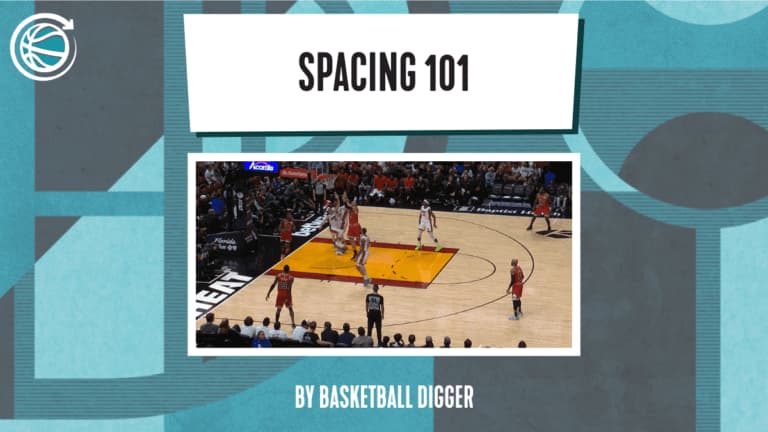
Spacing has changed the game. NBA offenses today look nothing like they did in the ’90s—more threes, better efficiency, and smarter shot selection. But why? The key lies in how teams use space to create and capitalize on advantages.
Mar 31, 2025
Simon Caret
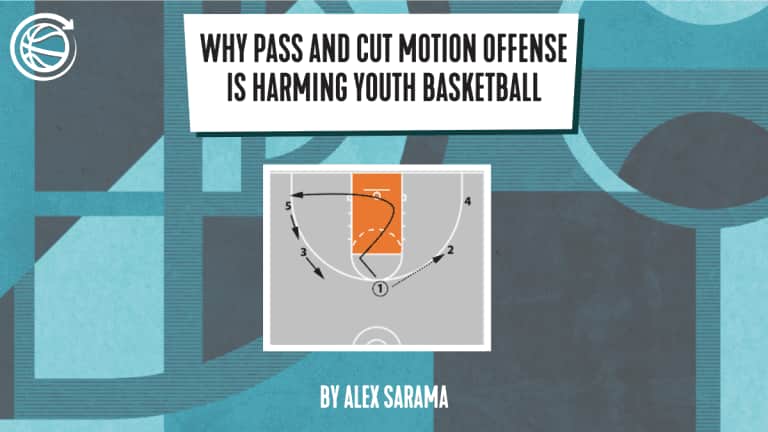
This article breaks down why pass and cut motion offense limits youth player development, and explores better ways to teach spacing, decision-making, and offensive creativity.
May 1, 2024
Alex Sarama
Approaches within the basketball industry are predominantly based upon experiential knowledge and traditions.


