

All coaching case studies

School basketball · New York, USA

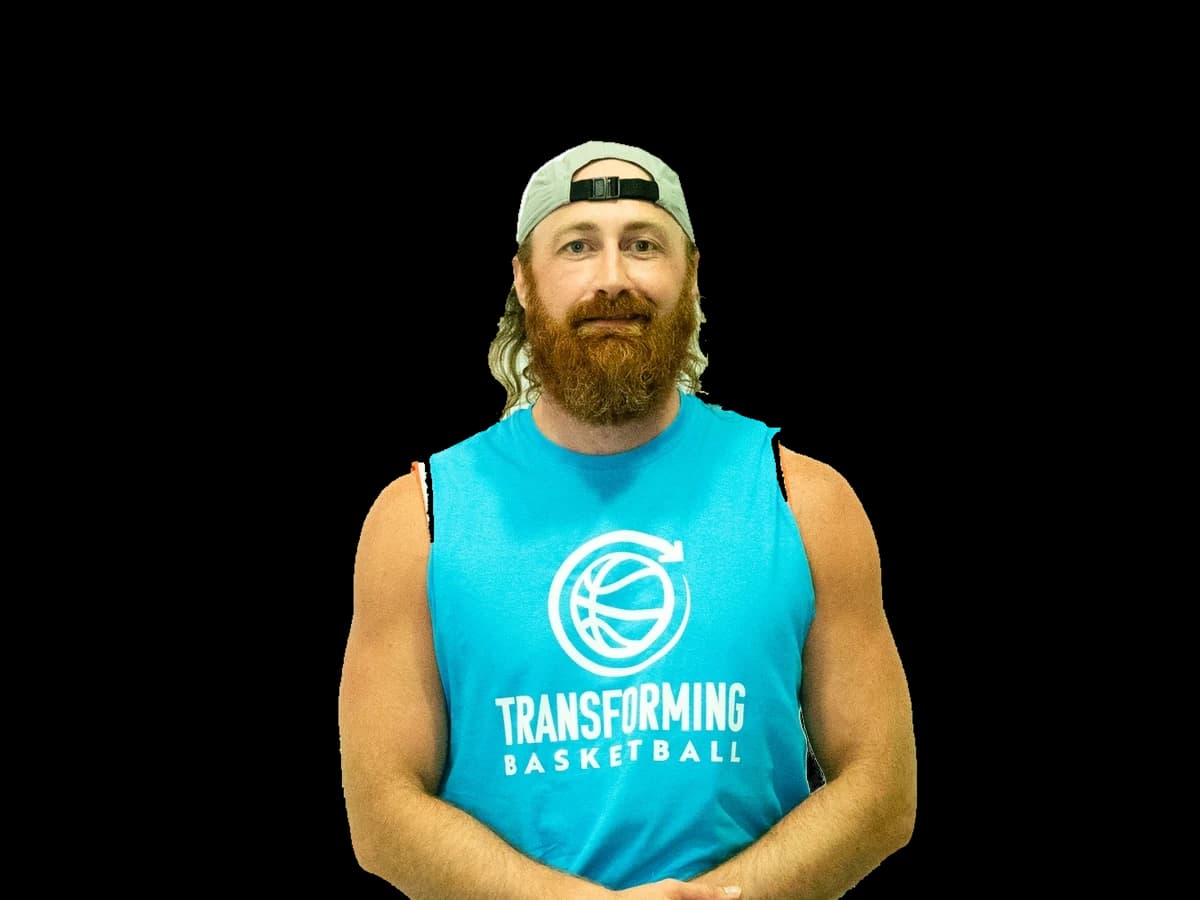
Ryan Keeler

Putting problem-solving in players’ hands.

Ryan describes players working together to find solutions, with more ownership and more fun at practice.

Ryan Keeler

Coaching case study

The starting point

Ryan's account comes from school basketball in New York. He wanted players to respond to changing game situations rather than rely on instructions that might stop working as soon as the defense changed.

What changed in practice

  • Used small-sided games to keep practice enjoyable and allow exploration.
  • Offered possible solutions while giving players more ownership of deciding what fitted the situation.
  • Used the summer camp to connect with coaches who shared his interest in a different approach.

What Ryan noticed

Ryan describes players beginning to work together on problems instead of always asking him what to do. He values giving everyone opportunities to develop as a playmaker and overall player.

The full conversation with Ryan

01

Where are you from and where do you coach?

I’m from Brooklyn, NY, where I’m the Head Coach of the Collegiate School for Boys in Manhattan.

02

How did you discover Transforming?

I've been following Alex for a while, even before he was with Basketball Immersion when he was doing Jr. NBA clinics. I even think we connected on LinkedIn back in 2012! I was a fan of some of the games he was doing for practice so I kept up with him through social media, which eventually became Transforming.

03

What Transforming events or products have helped you the most?

The Transforming Camp for me was the most influential part of this movement so far. To know that other coaches are out there with this same philosophy and passion on how the game can be taught and played was very energizing and exciting for me about the future of the game.

04

What changes have you seen in your coaching and with your team since using these ideas?

Number one is keeping practice fun. Within the small-sided games players are allowed to explore their own solutions which as a coach you will hope can carry over to their game play. I have found that many players today lack the ability to respond appropriately to in-game situations especially under pressure and when you give them the "answer" another one always pops up. In giving the players on the team possible solutions and putting more ownership on them to understand what the best solution for a given situation is, they have been starting to work together more on how to solve a problem instead of always asking what should I do or I did what you said and it didn't work. Giving all of them opportunities to progress as play makers and overall players.

What could change in your coaching?

Explore the ideas, find your next step and learn with coaches putting them into practice.

Explore the membership