

Why “Repetition Without Repetition” is the Key to Basketball Skill Transfer




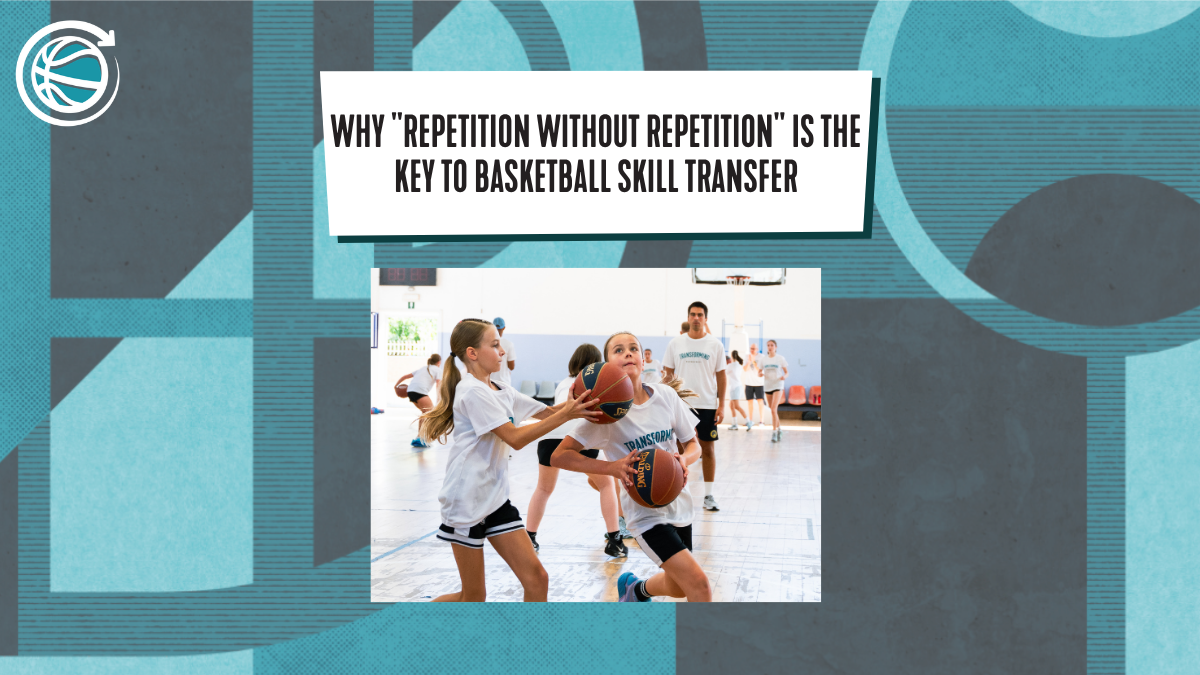
To bridge the gap between practice and performance, we have to embrace two core concepts of the Constraints-Led Approach (CLA): Repetition Without Repetition and Functional Variability.
Let’s be honest: there is nothing more frustrating than watching a player who looks like an All-Star caliber player in a 1-on-0 workout but turns into a turnover machine the moment the game starts.
Think of the point guard who has “perfect” passing form in a line drill but throws the ball into the third row when a defender’s hand enters the lane.
As coaches, our instinct is to say, “They just need more reps.” So, we go back to the gym and have them do the same drill 100 more times. But what if I told you that doing the same thing over and over is actually making them less prepared for the game?
See this wrap around pass by Harden. How can we design small-sided games (SSGs) where players can work on these types of passes (or similar passes)?
What is “Repetition Without Repetition”?
The term comes from Nikolai Bernstein, a neuroscientist who studied movement nearly a century ago. He observed expert blacksmiths hitting an anvil with a hammer. Even though the result (the strike) was consistent, the path of the blacksmith’s arm and the angle of the hammer were slightly different every single time.
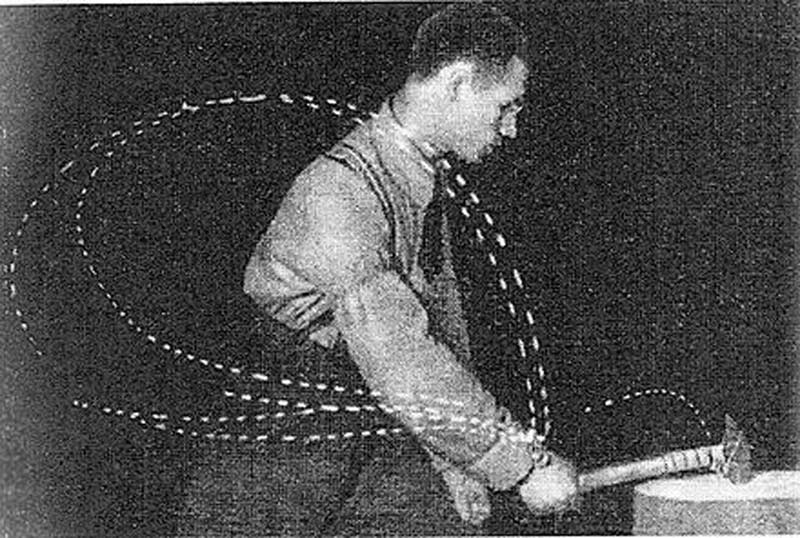
Vintage photo from Nikolai Bernstein’s movement study showing a blacksmith’s variable hammer trajectories, demonstrating the ecological dynamics concept of “repetition without repetition.”
In basketball, we often mistake “repetitiveness” for “repetition.”
- Repetitiveness: Doing the exact same movement pattern over and over (e.g., a form shooting drill with no rim.)
- Repetition Without Repetition: Repeating the process of finding the outcome or the solution while the movement itself varies to meet the demands of the environment.
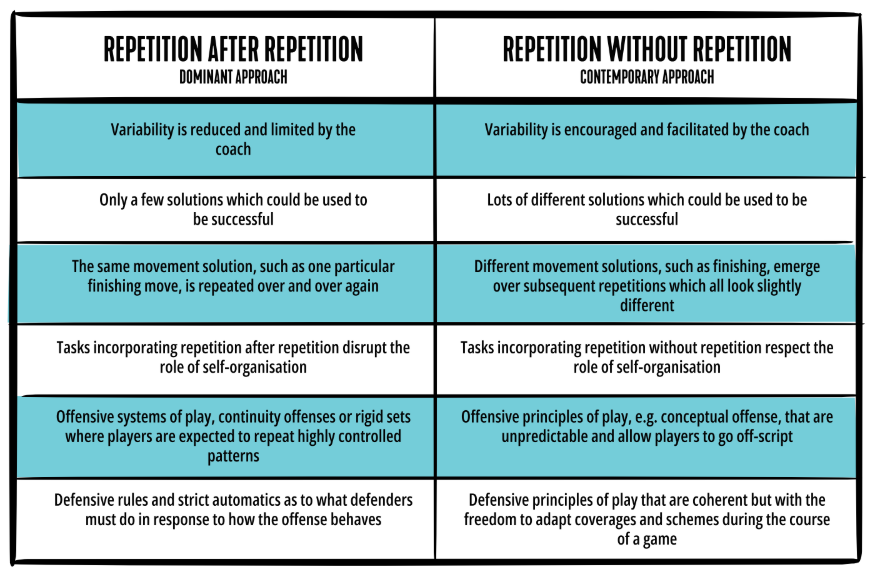 Think about an outlet pass. In a game, you never throw the exact same outlet pass twice. The distance changes, the speed of your teammate changes, and rebound location changes. If you’ve only practiced a “textbook” chest pass in a static line, you haven’t learned how to pass; you’ve only learned how to perform a choreographed move.
2-on-1+1 Chaser – transition game. You will notice the repetition without repetition in this game as no 2 reps are the same.
Why “Perfect” Form is a Myth: The Case for Functional Variability
We are often taught to coach “optimal” movement patterns. We want every jumper to look like Ray Allen and every layup to have the same footwork. But the game doesn’t care about “perfect” form; it cares about functional solutions.
Functional Variability is the ability of a player to adjust their movement to achieve a goal. If a player is driving to the rim and a defender is in the way, they shouldn’t be trying to use “perfect” one, two step footwork. They need the variability to finish off the “wrong” foot, use a high-off-the-glass scoop, or an extended finish. See example below.
If you coach the variability out of your players by demanding they do everything “your way,” you are making them fragile. When the defense takes away their “one way” of doing things, they have no Plan B. (not to mention they may be constrained so they can’t explore a better way to solve the problem – read the Bill Russell x ‘Red’ Aurbach example here.)
Coach’s Perspective: Skill isn’t about being a robot; it’s about being an expert problem-solver. Basketball practice design should focus on creating problems for players to solve, not giving them the answers to memorize.
Small-Sided Games: The Engine of Adaptability
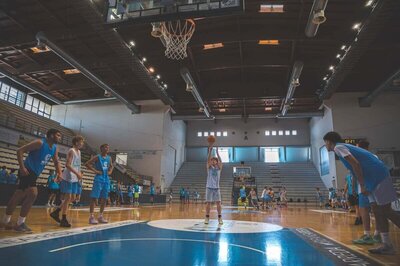
The best tool for building functional variability is the use of small-sided games (SSGs). By manipulating the number of players, the space, or the scoring rules, you can “force” players to explore new solutions.
Simply adding a defender into drills will create a decision and force repetition without repetition.
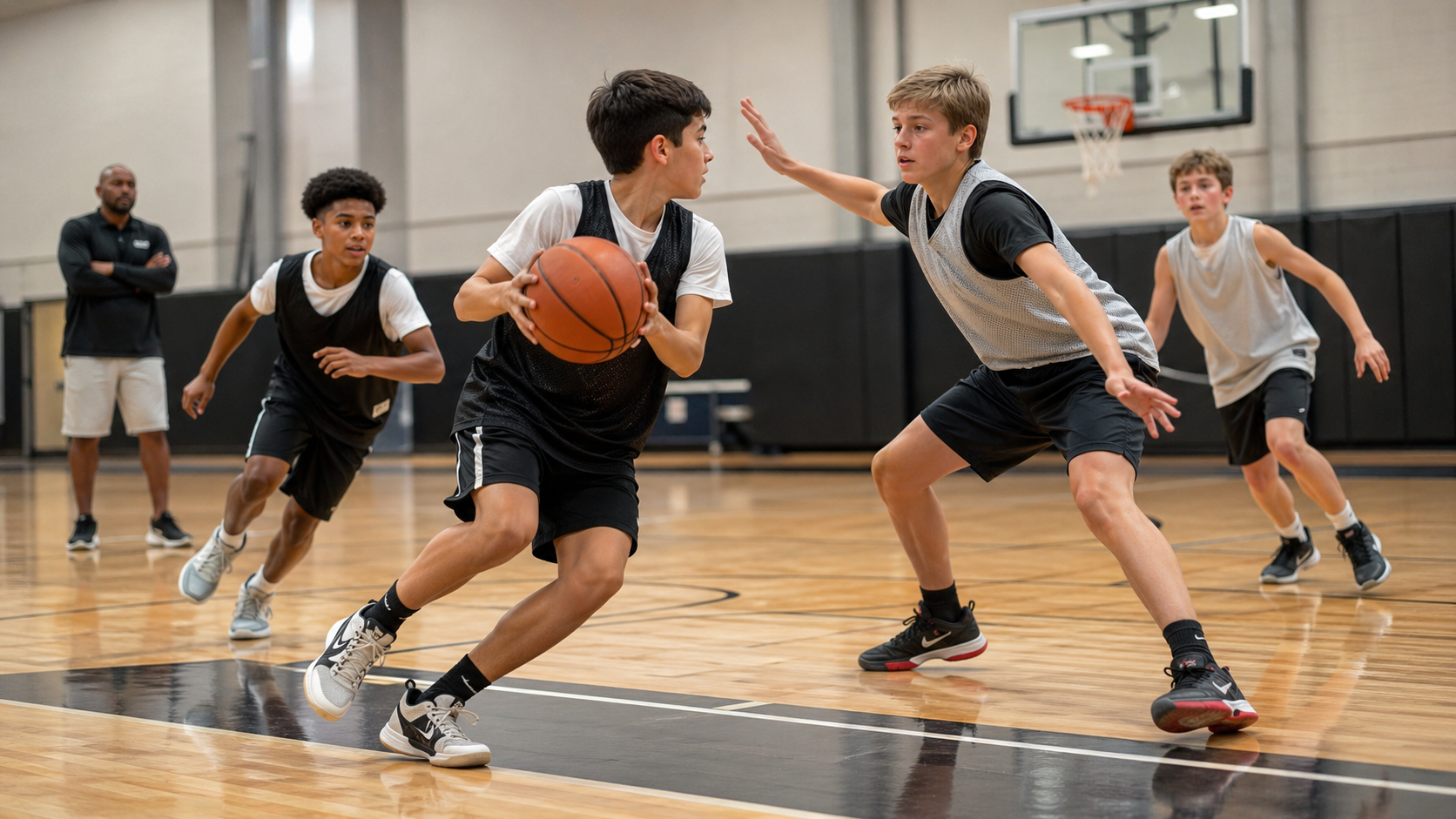
Repetition without repetition in a youth basketball small-sided game.
The “Messy” Practice: Why It’s Better for Development
One of the biggest hurdles for coaches is that Repetition Without Repetition looks “messy.” There will be more turnovers. Players will look confused. It won’t have the clean, aesthetic flow of a scripted drill.
But here is the secret: Learning and performance are not the same thing. If a practice looks “perfect,” your players are likely just performing a task they already know. If they are struggling, fumbling, and trying to find new ways to score, they are actually learning.
Especially for youth players (Under-12), the coach’s job is often to stay out of the way. “Let them play.”
Summary: Your Next Practice Blueprint
If you want to move toward a higher-transfer practice, start with these three steps:
- Remove the Lines: If there are more than two people standing still in a drill, change it. Add a defender or make it a game.
- Add a Constraint: Instead of telling them what to do, give them a rule. “You can’t use more than two dribbles” or “You get double points for a corner three.” This forces them to find variable solutions.
- Embrace the Chaos: Don’t blow the whistle every time something goes wrong. Let the players play through the “mess” so they can learn to self-correct.
Join the Transformation
Ready to stop running patterns and start building players? The Transforming Basketball ecosystem is designed to give you the tools, the science, and the practical drills to overhaul your coaching. Download the FREE PDF below.
- Download the Top 21 Small-Sided Games PDF: Get the exact setups we use to teach transition, pick-and-roll, and spacing.
Next Step: Take one drill you run every day. How can you add a defender or a time constraint to turn it into a drill that includes Repetition Without Repetition?

To bridge the gap between practice and performance, we have to embrace two core concepts of the Constraints-Led Approach (CLA): Repetition Without Repetition and Functional Variability.
Let’s be honest: there is nothing more frustrating than watching a player who looks like an All-Star caliber player in a 1-on-0 workout but turns into a turnover machine the moment the game starts.
Think of the point guard who has “perfect” passing form in a line drill but throws the ball into the third row when a defender’s hand enters the lane.
As coaches, our instinct is to say, “They just need more reps.” So, we go back to the gym and have them do the same drill 100 more times. But what if I told you that doing the same thing over and over is actually making them less prepared for the game?
See this wrap around pass by Harden. How can we design small-sided games (SSGs) where players can work on these types of passes (or similar passes)?
What is “Repetition Without Repetition”?
The term comes from Nikolai Bernstein, a neuroscientist who studied movement nearly a century ago. He observed expert blacksmiths hitting an anvil with a hammer. Even though the result (the strike) was consistent, the path of the blacksmith’s arm and the angle of the hammer were slightly different every single time.
Vintage photo from Nikolai Bernstein’s movement study showing a blacksmith’s variable hammer trajectories, demonstrating the ecological dynamics concept of “repetition without repetition.”
In basketball, we often mistake “repetitiveness” for “repetition.”
- Repetitiveness: Doing the exact same movement pattern over and over (e.g., a form shooting drill with no rim.)
- Repetition Without Repetition: Repeating the process of finding the outcome or the solution while the movement itself varies to meet the demands of the environment.
Think about an outlet pass. In a game, you never throw the exact same outlet pass twice. The distance changes, the speed of your teammate changes, and rebound location changes. If you’ve only practiced a “textbook” chest pass in a static line, you haven’t learned how to pass; you’ve only learned how to perform a choreographed move.
2-on-1+1 Chaser – transition game. You will notice the repetition without repetition in this game as no 2 reps are the same.
Why “Perfect” Form is a Myth: The Case for Functional Variability
We are often taught to coach “optimal” movement patterns. We want every jumper to look like Ray Allen and every layup to have the same footwork. But the game doesn’t care about “perfect” form; it cares about functional solutions.
Functional Variability is the ability of a player to adjust their movement to achieve a goal. If a player is driving to the rim and a defender is in the way, they shouldn’t be trying to use “perfect” one, two step footwork. They need the variability to finish off the “wrong” foot, use a high-off-the-glass scoop, or an extended finish. See example below.
If you coach the variability out of your players by demanding they do everything “your way,” you are making them fragile. When the defense takes away their “one way” of doing things, they have no Plan B. (not to mention they may be constrained so they can’t explore a better way to solve the problem – read the Bill Russell x ‘Red’ Aurbach example here.)
Coach’s Perspective: Skill isn’t about being a robot; it’s about being an expert problem-solver. Basketball practice design should focus on creating problems for players to solve, not giving them the answers to memorize.
Small-Sided Games: The Engine of Adaptability
The best tool for building functional variability is the use of small-sided games (SSGs). By manipulating the number of players, the space, or the scoring rules, you can “force” players to explore new solutions.
Simply adding a defender into drills will create a decision and force repetition without repetition.
Repetition without repetition in a youth basketball small-sided game.
The “Messy” Practice: Why It’s Better for Development
One of the biggest hurdles for coaches is that Repetition Without Repetition looks “messy.” There will be more turnovers. Players will look confused. It won’t have the clean, aesthetic flow of a scripted drill.
But here is the secret: Learning and performance are not the same thing. If a practice looks “perfect,” your players are likely just performing a task they already know. If they are struggling, fumbling, and trying to find new ways to score, they are actually learning.
Especially for youth players (Under-12), the coach’s job is often to stay out of the way. “Let them play.”
Summary: Your Next Practice Blueprint
If you want to move toward a higher-transfer practice, start with these three steps:
- Remove the Lines: If there are more than two people standing still in a drill, change it. Add a defender or make it a game.
- Add a Constraint: Instead of telling them what to do, give them a rule. “You can’t use more than two dribbles” or “You get double points for a corner three.” This forces them to find variable solutions.
- Embrace the Chaos: Don’t blow the whistle every time something goes wrong. Let the players play through the “mess” so they can learn to self-correct.
Join the Transformation
Ready to stop running patterns and start building players? The Transforming Basketball ecosystem is designed to give you the tools, the science, and the practical drills to overhaul your coaching. Download the FREE PDF below.
- Download the Top 21 Small-Sided Games PDF: Get the exact setups we use to teach transition, pick-and-roll, and spacing.
Next Step: Take one drill you run every day. How can you add a defender or a time constraint to turn it into a drill that includes Repetition Without Repetition?




check what's trending

What is ecological dynamics and how is it connected to a constraints-led approach?
Dec 8, 2025
George Vaz

Are you searching for the best small sided games (SSGs) to improve your basketball practices? Want to replace boring, low-transfer drills with competitive games that actually develop player decision-making and in-game skills?
In this post, I’m sharing my top 5 favorite small-sided basketball games—designed to teach core concepts like closeouts, pick-and-roll, advantage creation, and transition offense and defense. These basketball SSGs are intense, purposeful, and built around real-game actions.
Whether you're coaching youth basketball, high school, or pros, these top small sided games will make your sessions more effective, more engaging, and more fun—for both players and coaches.
Let’s break down each game and how it can transform your practices.
Aug 4, 2025
George Vaz

Whether you’re coaching in the NBA, EuroLeague, or youth basketball, one thing remains universally true: the worst transition offense is still more efficient than the best half-court offense. Yet, many teams still struggle to fully capitalize on transition opportunities, often opting to slow down the game instead of pushing the pace. The question is, why? By running more intentionally, teams can create easier scoring opportunities. So why do some teams hesitate?
Apr 7, 2025
George Vaz
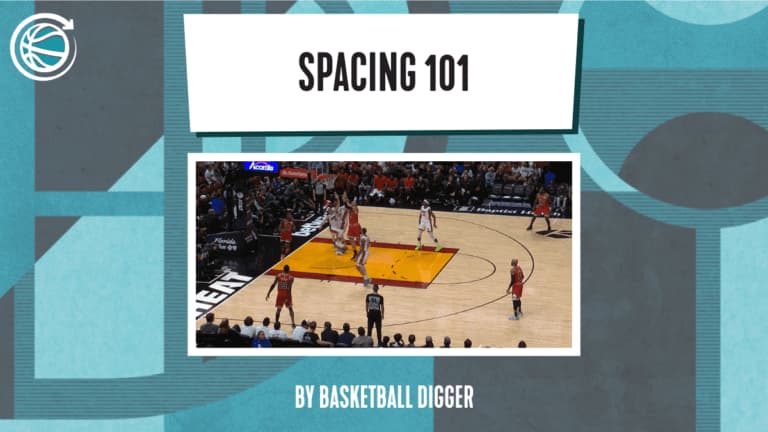
Spacing has changed the game. NBA offenses today look nothing like they did in the ’90s—more threes, better efficiency, and smarter shot selection. But why? The key lies in how teams use space to create and capitalize on advantages.
Mar 31, 2025
Simon Caret
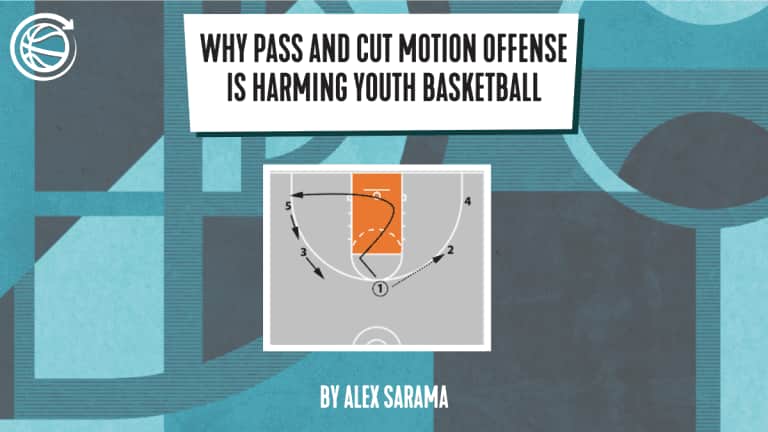
This article breaks down why pass and cut motion offense limits youth player development, and explores better ways to teach spacing, decision-making, and offensive creativity.
May 1, 2024
Alex Sarama
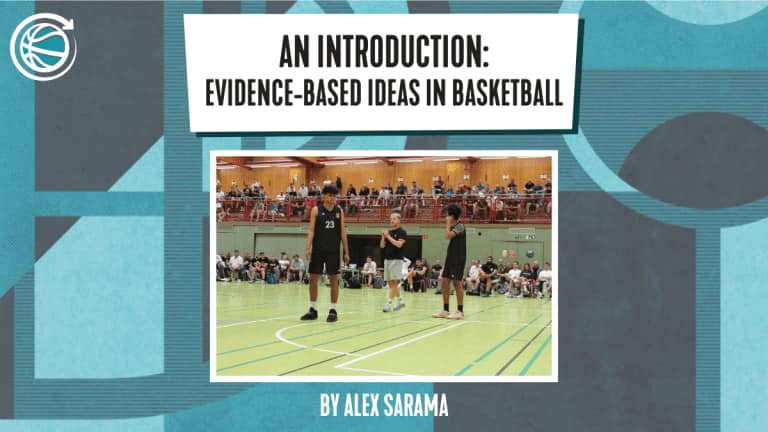
Approaches within the basketball industry are predominantly based upon experiential knowledge and traditions.


