






Skill Acquisition

Sep 29, 2025
George Vaz
Why coaches must move beyond rigid drills and create dynamic, unpredictable environments that build adaptable, game-ready players.
What are some small sided games (SSGs) to improve your team’s on-ball defense? How can you manipulate constraints to focus on specific defensive intentions?

Sep 22, 2025
George Vaz
Living in the age of information, paralysis by analysis is easier to experience than ever. Implementing a Constraints-Led Approach with a basketball team is no different. Sifting through the research, books (such as the book, Transforming Basketball), podcasts, etc., you are inundated with potential routes to using a CLA and it can be difficult to decide where to start. The starting point we would suggest is centered around principles of play.

Aug 11, 2025
admin
Skill acquisition is an evidence-based field analyzing how athletes learn and develop motor skills. Contemporary skill acquisition research informs us that effective coaching is about a lot more than just repetition. The days of repetitive drilling may be numbered, as instead a CLA involves coaches designing more representative learning environments where players are constantly making decisions.

Jun 2, 2025
George Vaz
What does pace and space even mean? In this blog, we unpack the modern offensive concepts that every coach needs to know.

May 5, 2025
George Vaz
Vitamins are a great concept for player development, but the problem with traditional vitamins are often how they are delivered through a technique-focused lens. In this blog, we outline how coaches can think differently to reframe player and team development through interactions between players and their teammates/ defenders, rather than working on techniques in isolation.
Aug 19, 2024
Alex Sarama
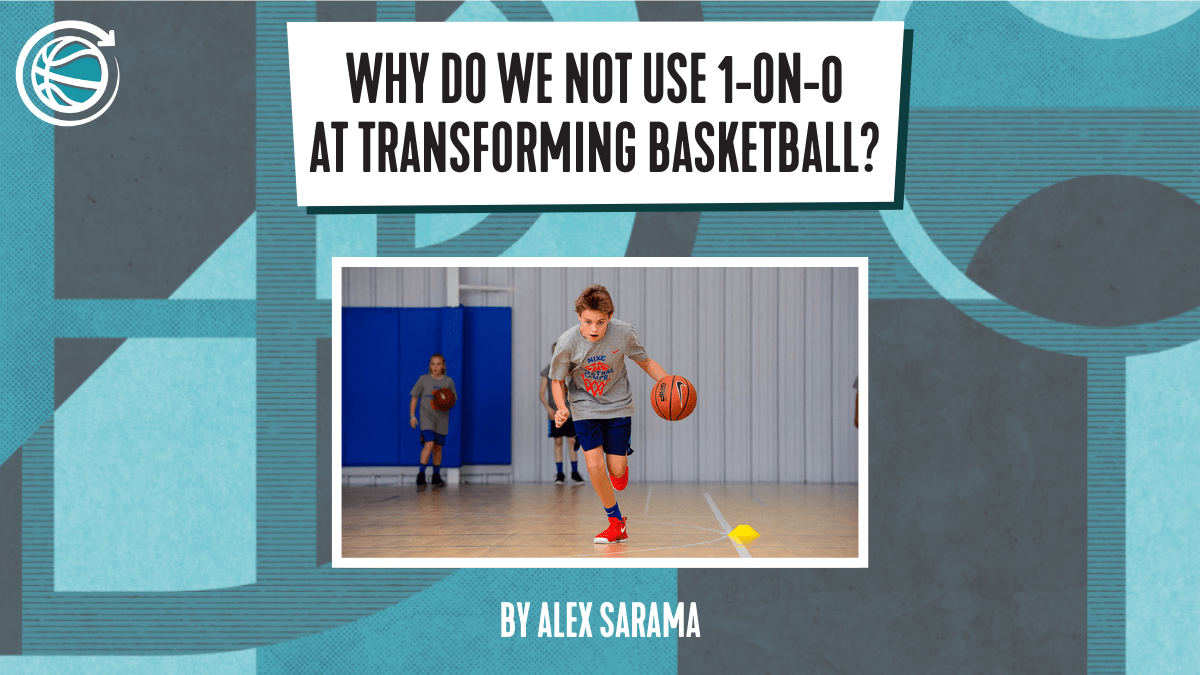
At Transforming Basketball, we steer clear of using 1-on-0 drills like two-ball dribbling or teaching specific dribble moves. Traditional 1-on-0 drills lack the key information needed that players actually encounter within the game itself. In this blog, learn why it's not about teaching moves but instead about creating environments which allow for many different moves to naturally emerge.
Aug 12, 2024
Alex Sarama
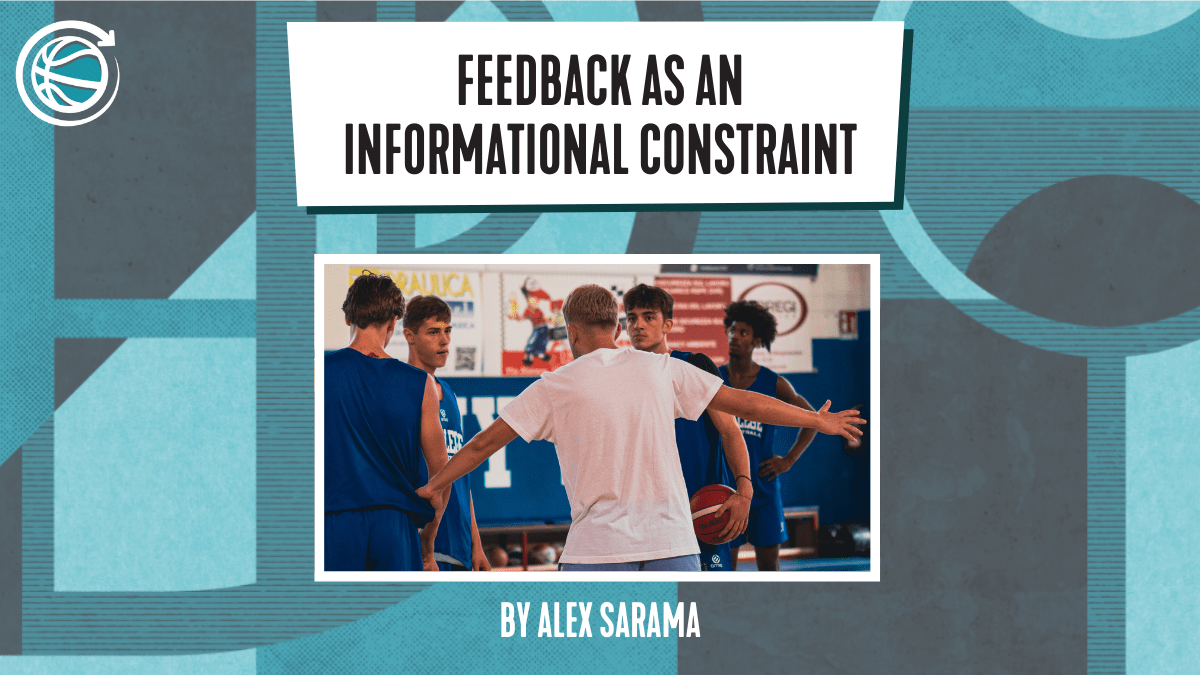
This blog reveals how feedback within the CLA can be used in a more open and explorative manner, helping guide players towards discovering effective solutions. The blog provides practical tips for how to deliver feedback in practices through a CLA lens.
Jun 24, 2024
Alex Sarama
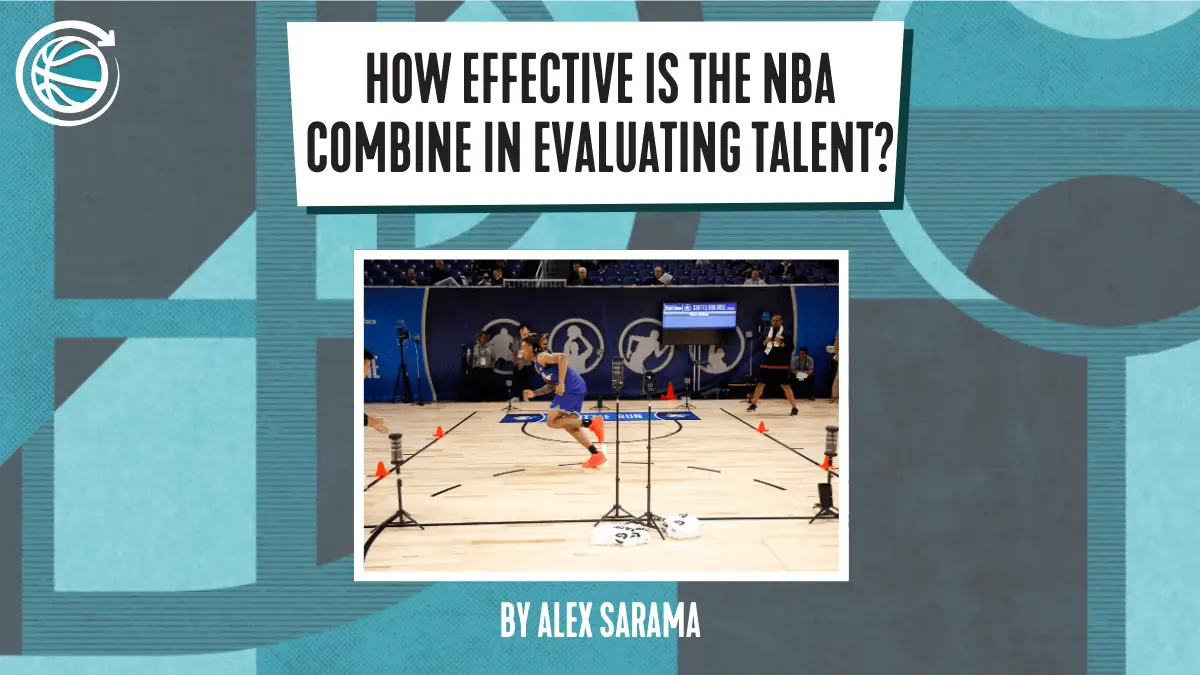
The NBA Combine's usage of reductionist athletic tests may overlook a true examination of the skilful behaviors that underpin effective basketball performance. Is it possible that the current NBA combine testing methods bias, rather than inform, front office decision-makers?
May 16, 2024
Alex Sarama
In the "Eco Player Series" Gray Thomas explores how basketball players like Jalen Williams utilize ecological principles to excel on the court, emphasizing dynamic perception-action coupling and adaptive decision-making over traditional drills.

Apr 6, 2024
Alex Sarama




check what's trending

What is ecological dynamics and how is it connected to a constraints-led approach?
Dec 8, 2025
George Vaz

Are you searching for the best small sided games (SSGs) to improve your basketball practices? Want to replace boring, low-transfer drills with competitive games that actually develop player decision-making and in-game skills?
In this post, I’m sharing my top 5 favorite small-sided basketball games—designed to teach core concepts like closeouts, pick-and-roll, advantage creation, and transition offense and defense. These basketball SSGs are intense, purposeful, and built around real-game actions.
Whether you're coaching youth basketball, high school, or pros, these top small sided games will make your sessions more effective, more engaging, and more fun—for both players and coaches.
Let’s break down each game and how it can transform your practices.
Aug 4, 2025
George Vaz

Whether you’re coaching in the NBA, EuroLeague, or youth basketball, one thing remains universally true: the worst transition offense is still more efficient than the best half-court offense. Yet, many teams still struggle to fully capitalize on transition opportunities, often opting to slow down the game instead of pushing the pace. The question is, why? By running more intentionally, teams can create easier scoring opportunities. So why do some teams hesitate?
Apr 7, 2025
George Vaz
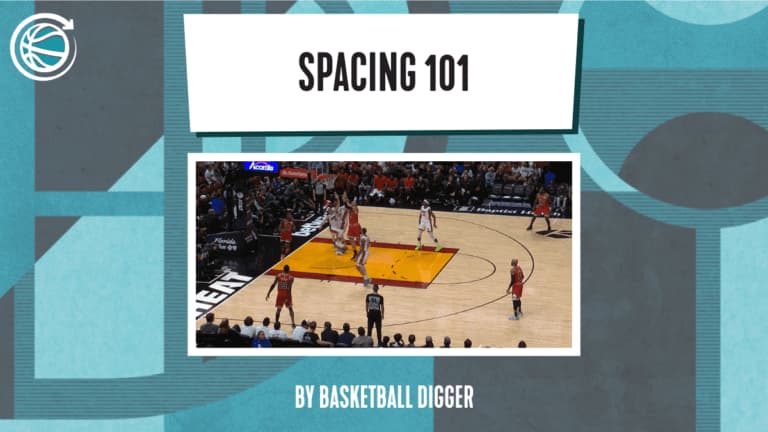
Spacing has changed the game. NBA offenses today look nothing like they did in the ’90s—more threes, better efficiency, and smarter shot selection. But why? The key lies in how teams use space to create and capitalize on advantages.
Mar 31, 2025
Simon Caret
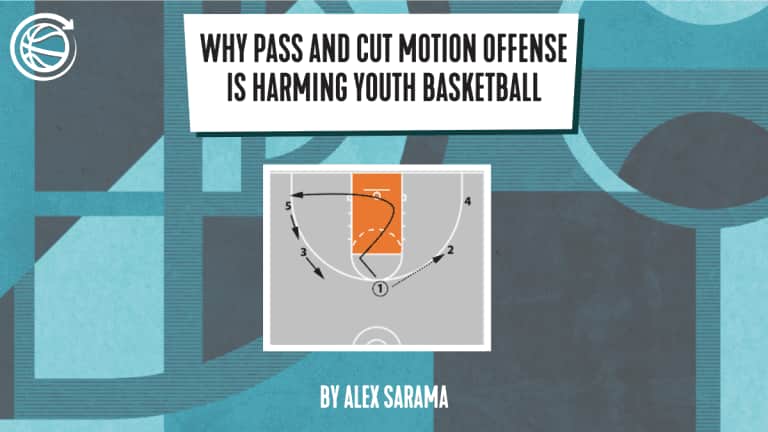
This article breaks down why pass and cut motion offense limits youth player development, and explores better ways to teach spacing, decision-making, and offensive creativity.
May 1, 2024
Alex Sarama
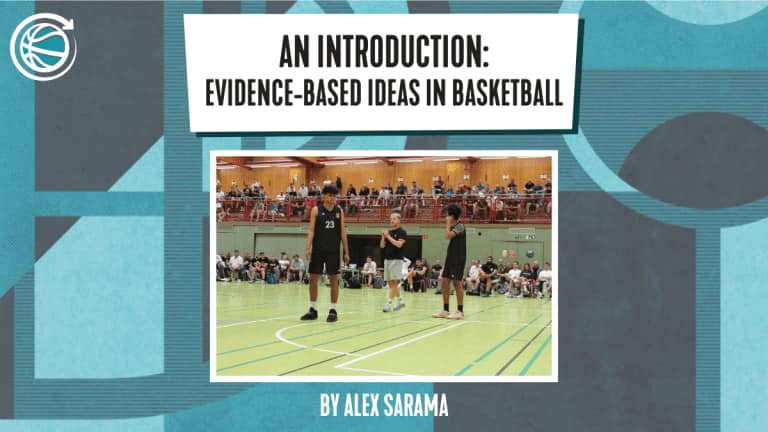
Approaches within the basketball industry are predominantly based upon experiential knowledge and traditions.


