

How Paris Basketball Dominates Offensive Rebounding with Tagging Up





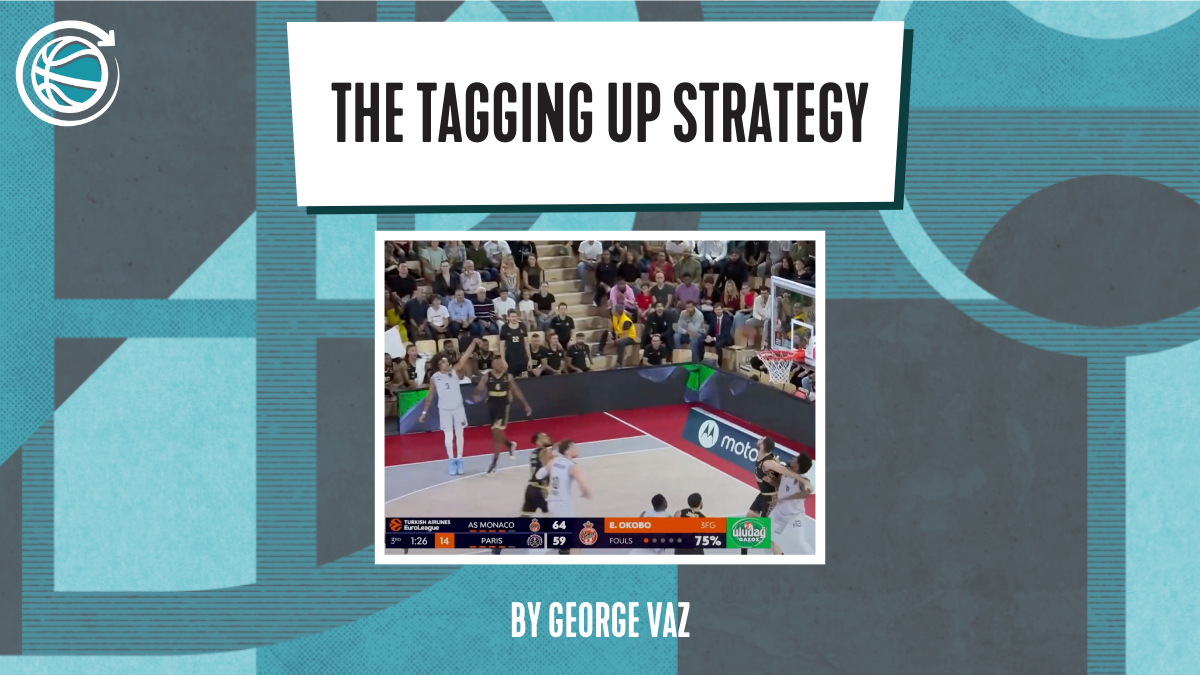
How Paris Basketball Uses Tagging Up to Lead the EuroLeague in Offensive Rebounds
How does Paris Basketball use “Tagging Up” to slow down their opponent’s transition while generating more offensive rebounds?
Paris Basketball emerged on the scene in their first season in the Euroleague. After an incredible season in the Eurocup last season where they only lost 1(!) game, Tuomas Iisalo has moved onto the Memphis Grizzlies with Tiago Splitter taking the reins as Head Coach. Despite adding a new coach, what is remarkable is how Paris have kept the same principles of play that brought them so much success.
Half-way through the EuroLeague season, Paris Basketball are securing 39.9% of offensive rebounds and are first in offensive rebounding at 12.6 rebounds per game.
So how do they do it? Tuomas Iisalo used tagging up with his teams in Germany, and brought the concept over to Paris. Simply put, it is a strategy where all 5 offensive players go to the high side of their match up on the shot attempt.
With all the 3PT shots being taken in the modern era, naturally there are longer rebounds. This strategy coupled with the fact that Paris take the most 3PT shots per game in the EuroLeague, allows them to more consistently be in optimal offensive rebounding positions.
You can see the video below – an example of Paris’ tagging up even when it does not result in an offensive rebound. Even when not generating the rebound, it allows your players to be in an effective position to slow down kick-aheads and apply instant full-court pressure.
Paris Basketball’s Tagging Up Technique in Action
You can see the video below – an example of Paris Tagging up where it does not result in an offensive rebound. The principles are the same.
As soon as the shot goes up, the 3 players circled tag their match-up, being as physical as possible to try and push them as close as possible to their own basket. You can see this below…
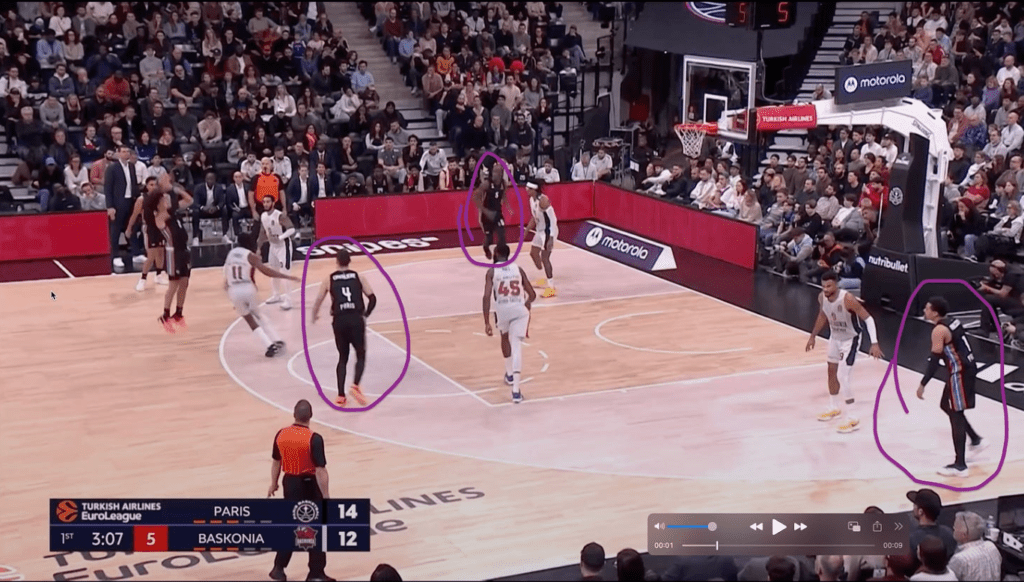
Lo (only non-shooter for Paris not circled) could have done a better job tagging up and getting to Howard’s high side. Note that the purpose of tagging up is to slow down transition offense, not necessarily to grab offensive rebounds. Offensive rebounds are more a by-product of this principle, rather than the primary intention.
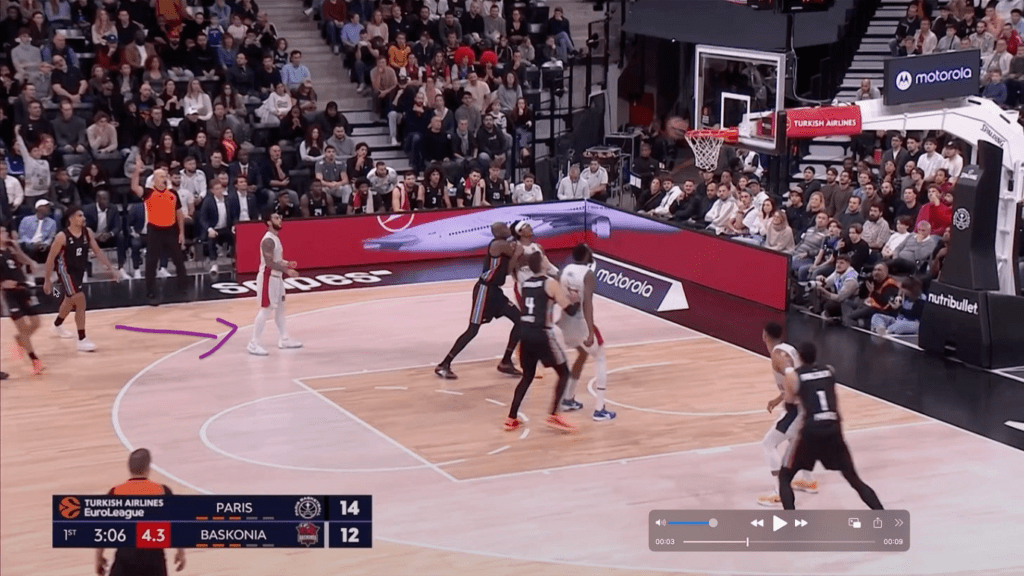
By tagging here, Lo is in position to slow down the advance of the ball and reduce kick-aheads.
Transition Defense Benefits of Tagging Up
The other players sprint back to create a wall and shrink the attacking lanes for the offense.
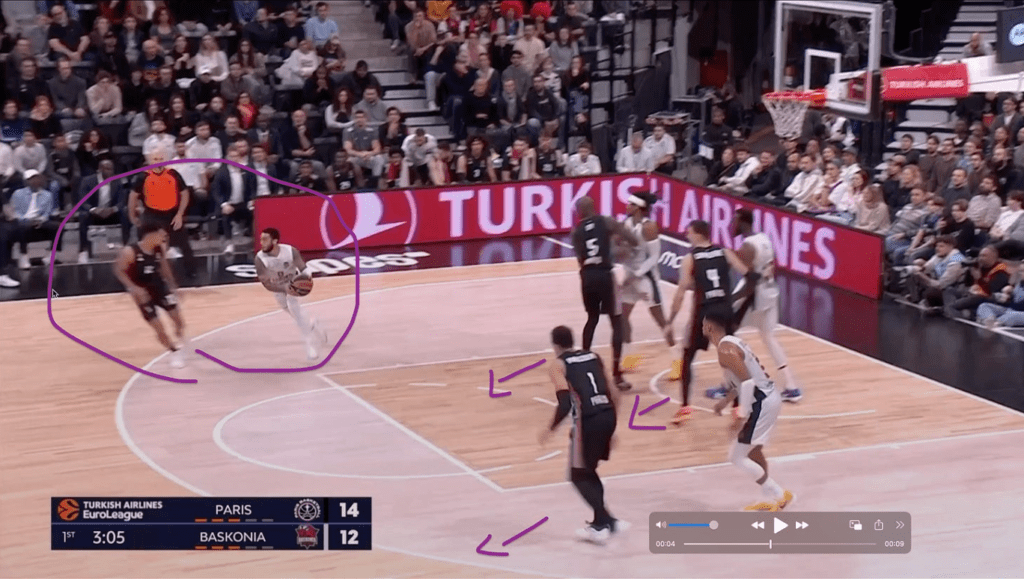
When Tagging Up Leads to Offensive Rebounds
Here is a clip where Paris get the offensive rebound from tagging up:
Why Tagging Up Is So Effective for Paris Basketball
The tagging up strategy works particularly well for Paris Basketball for several reasons:
- Three-point volume – Paris takes more three-pointers than any other team in EuroLeague. Threes naturally create more long rebounding opportunities.
- Player positioning – By positioning players on the high side of their matchups, they’re in a better rebounding position. The black/white of tagging removes the gray area of just asking your players to crash.
- Dual-purpose approach – The strategy simultaneously improves transition defense while creating more second chance opportunities to win the possession game.
- Complete clarity – All five players understand and execute their roles in the tagging up system.
How Your Team Can Implement the Tagging Up Strategy
Coaches looking to implement tagging should focus on:
- Teaching players to identify and tag the closest opponent when a shot goes up. Tag who guarded you on the shot attempt, NOT your regular match-up.
- Practicing the technique of pushing opponents toward the basket, especially when in the paint (“scrumming”)
- Emphasizing the primary goal of slowing down opponent transition opportunities
- Understanding that increased offensive rebounds will come as players commit to their tags vs lagging or moving back to their own basket.
Elevate Your Coaching with Transforming Basketball
Want to learn more innovative basketball strategies like Paris Basketball’s tagging up technique? As a member of the Transforming Basketball community, you’ll get access to hundreds of advanced coaching concepts, activities, and video breakdowns that can transform your team’s performance.
Become a Member Today and discover the secrets that the best coaches and teams around the world are using to gain a competitive edge!



How Paris Basketball Uses Tagging Up to Lead the EuroLeague in Offensive Rebounds
How does Paris Basketball use “Tagging Up” to slow down their opponent’s transition while generating more offensive rebounds?
Paris Basketball emerged on the scene in their first season in the Euroleague. After an incredible season in the Eurocup last season where they only lost 1(!) game, Tuomas Iisalo has moved onto the Memphis Grizzlies with Tiago Splitter taking the reins as Head Coach. Despite adding a new coach, what is remarkable is how Paris have kept the same principles of play that brought them so much success.
Half-way through the EuroLeague season, Paris Basketball are securing 39.9% of offensive rebounds and are first in offensive rebounding at 12.6 rebounds per game.
So how do they do it? Tuomas Iisalo used tagging up with his teams in Germany, and brought the concept over to Paris. Simply put, it is a strategy where all 5 offensive players go to the high side of their match up on the shot attempt.
With all the 3PT shots being taken in the modern era, naturally there are longer rebounds. This strategy coupled with the fact that Paris take the most 3PT shots per game in the EuroLeague, allows them to more consistently be in optimal offensive rebounding positions.
You can see the video below – an example of Paris’ tagging up even when it does not result in an offensive rebound. Even when not generating the rebound, it allows your players to be in an effective position to slow down kick-aheads and apply instant full-court pressure.
Paris Basketball’s Tagging Up Technique in Action
You can see the video below – an example of Paris Tagging up where it does not result in an offensive rebound. The principles are the same.
As soon as the shot goes up, the 3 players circled tag their match-up, being as physical as possible to try and push them as close as possible to their own basket. You can see this below…
Lo (only non-shooter for Paris not circled) could have done a better job tagging up and getting to Howard’s high side. Note that the purpose of tagging up is to slow down transition offense, not necessarily to grab offensive rebounds. Offensive rebounds are more a by-product of this principle, rather than the primary intention.
By tagging here, Lo is in position to slow down the advance of the ball and reduce kick-aheads.
Transition Defense Benefits of Tagging Up
The other players sprint back to create a wall and shrink the attacking lanes for the offense.
When Tagging Up Leads to Offensive Rebounds
Here is a clip where Paris get the offensive rebound from tagging up:
Why Tagging Up Is So Effective for Paris Basketball
The tagging up strategy works particularly well for Paris Basketball for several reasons:
- Three-point volume – Paris takes more three-pointers than any other team in EuroLeague. Threes naturally create more long rebounding opportunities.
- Player positioning – By positioning players on the high side of their matchups, they’re in a better rebounding position. The black/white of tagging removes the gray area of just asking your players to crash.
- Dual-purpose approach – The strategy simultaneously improves transition defense while creating more second chance opportunities to win the possession game.
- Complete clarity – All five players understand and execute their roles in the tagging up system.
How Your Team Can Implement the Tagging Up Strategy
Coaches looking to implement tagging should focus on:
- Teaching players to identify and tag the closest opponent when a shot goes up. Tag who guarded you on the shot attempt, NOT your regular match-up.
- Practicing the technique of pushing opponents toward the basket, especially when in the paint (“scrumming”)
- Emphasizing the primary goal of slowing down opponent transition opportunities
- Understanding that increased offensive rebounds will come as players commit to their tags vs lagging or moving back to their own basket.
Elevate Your Coaching with Transforming Basketball
Want to learn more innovative basketball strategies like Paris Basketball’s tagging up technique? As a member of the Transforming Basketball community, you’ll get access to hundreds of advanced coaching concepts, activities, and video breakdowns that can transform your team’s performance.
Become a Member Today and discover the secrets that the best coaches and teams around the world are using to gain a competitive edge!




check what's trending
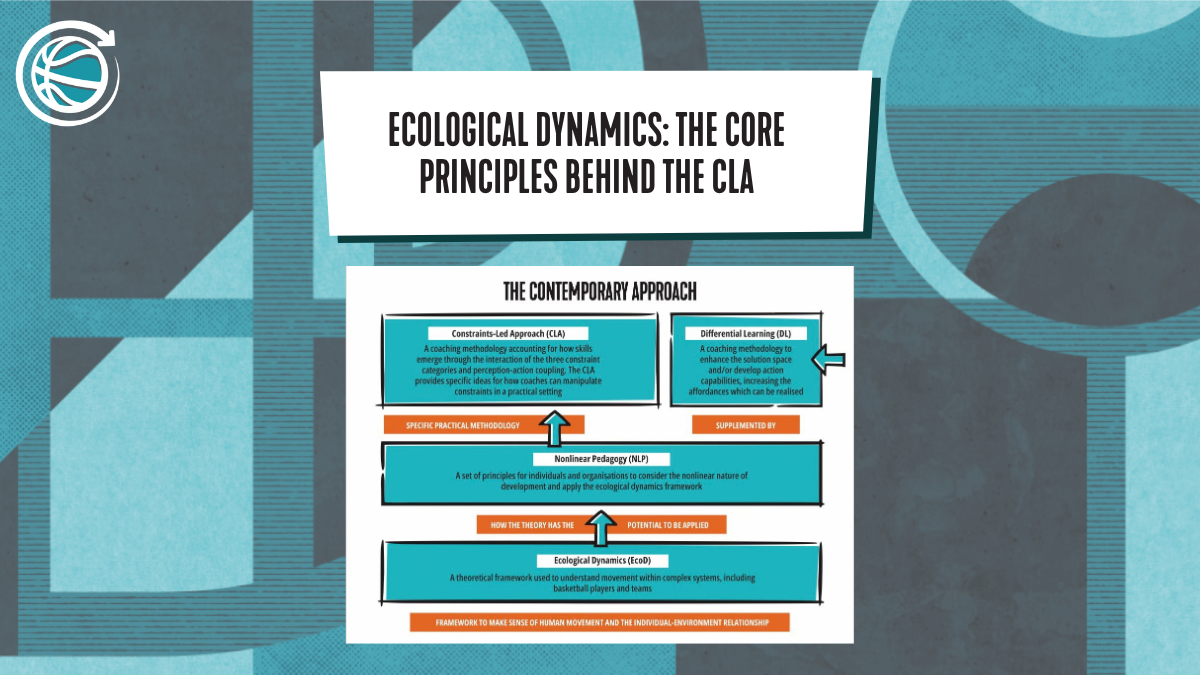
What is ecological dynamics and how is it connected to a constraints-led approach?
Dec 8, 2025
George Vaz

Are you searching for the best small sided games (SSGs) to improve your basketball practices? Want to replace boring, low-transfer drills with competitive games that actually develop player decision-making and in-game skills?
In this post, I’m sharing my top 5 favorite small-sided basketball games—designed to teach core concepts like closeouts, pick-and-roll, advantage creation, and transition offense and defense. These basketball SSGs are intense, purposeful, and built around real-game actions.
Whether you're coaching youth basketball, high school, or pros, these top small sided games will make your sessions more effective, more engaging, and more fun—for both players and coaches.
Let’s break down each game and how it can transform your practices.
Aug 4, 2025
George Vaz

Whether you’re coaching in the NBA, EuroLeague, or youth basketball, one thing remains universally true: the worst transition offense is still more efficient than the best half-court offense. Yet, many teams still struggle to fully capitalize on transition opportunities, often opting to slow down the game instead of pushing the pace. The question is, why? By running more intentionally, teams can create easier scoring opportunities. So why do some teams hesitate?
Apr 7, 2025
George Vaz
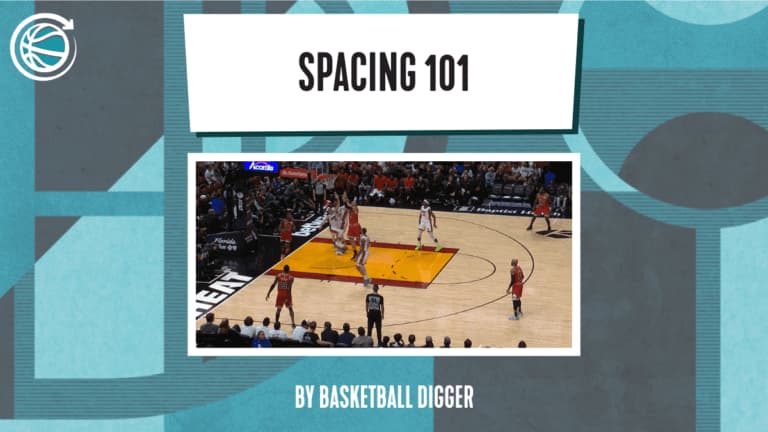
Spacing has changed the game. NBA offenses today look nothing like they did in the ’90s—more threes, better efficiency, and smarter shot selection. But why? The key lies in how teams use space to create and capitalize on advantages.
Mar 31, 2025
Simon Caret
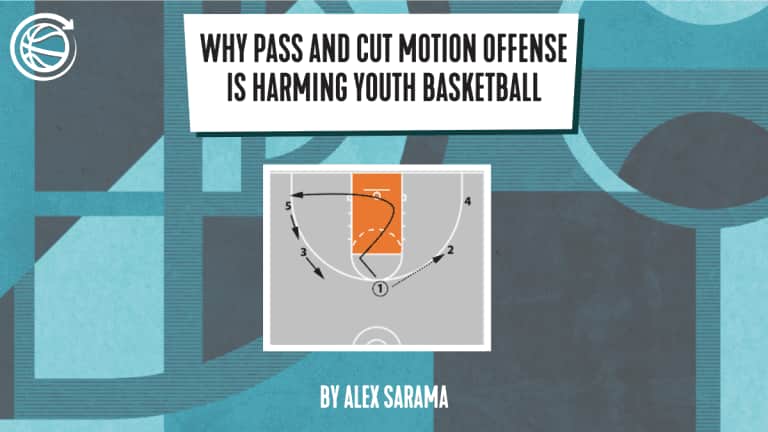
This article breaks down why pass and cut motion offense limits youth player development, and explores better ways to teach spacing, decision-making, and offensive creativity.
May 1, 2024
Alex Sarama
Approaches within the basketball industry are predominantly based upon experiential knowledge and traditions.


