





Transforming Basketball Blog
Aug 5, 2024
Alex Sarama
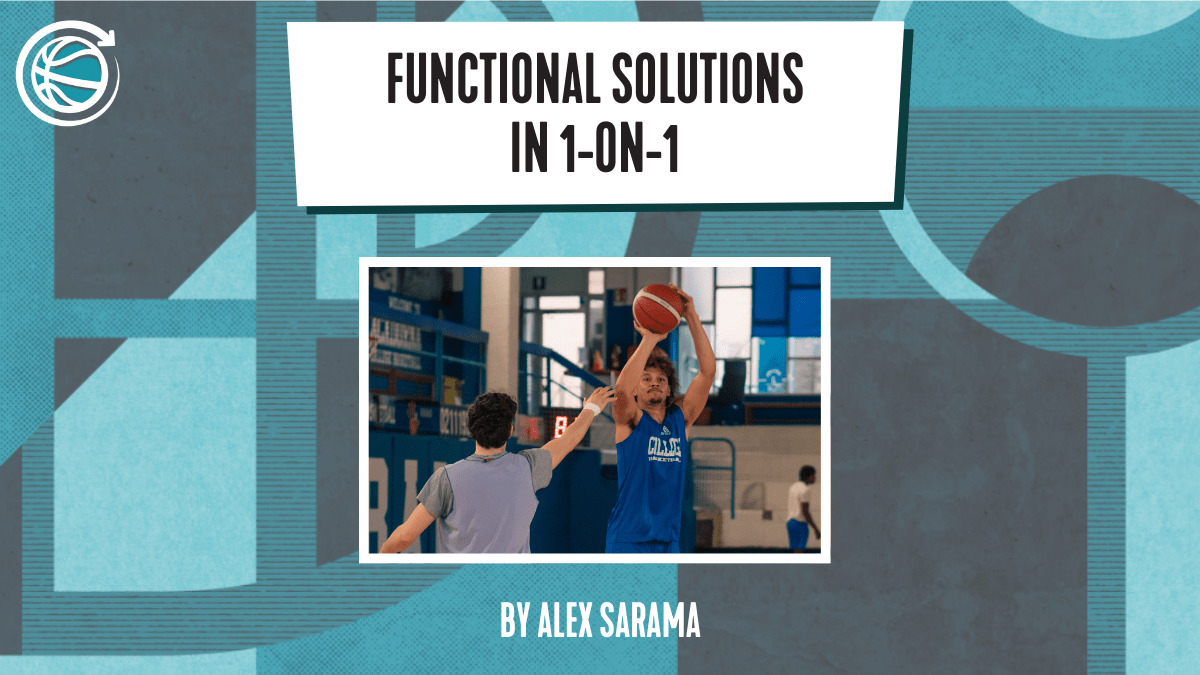
Playing more 1-on-1 can be one of the best ways to improve your players. However, how can base versions of 1-on-1 be improved by using constraints, allowing players to be far more skilful compared to playing ones in the same way every time? This blog provides ideas to be more intentional when using 1-on-1 in practice: such as frequently changing match-ups and setting specific goals.
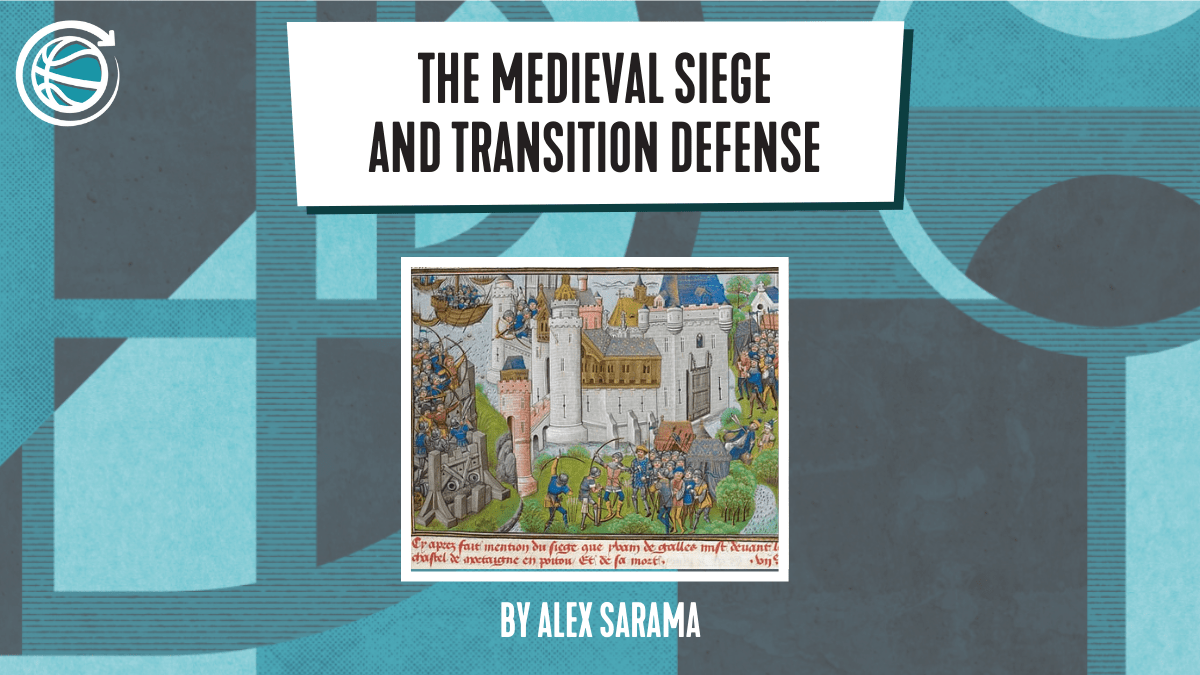
Coaching youth basketball requires coaches to deliver their practices in methods aligned with how the players learn best. This is why using metaphors, such as comparing transition defense to the medieval siege, could be useful in making practices more engaging and enjoyable for youth players.
Jul 29, 2024
Alex Sarama
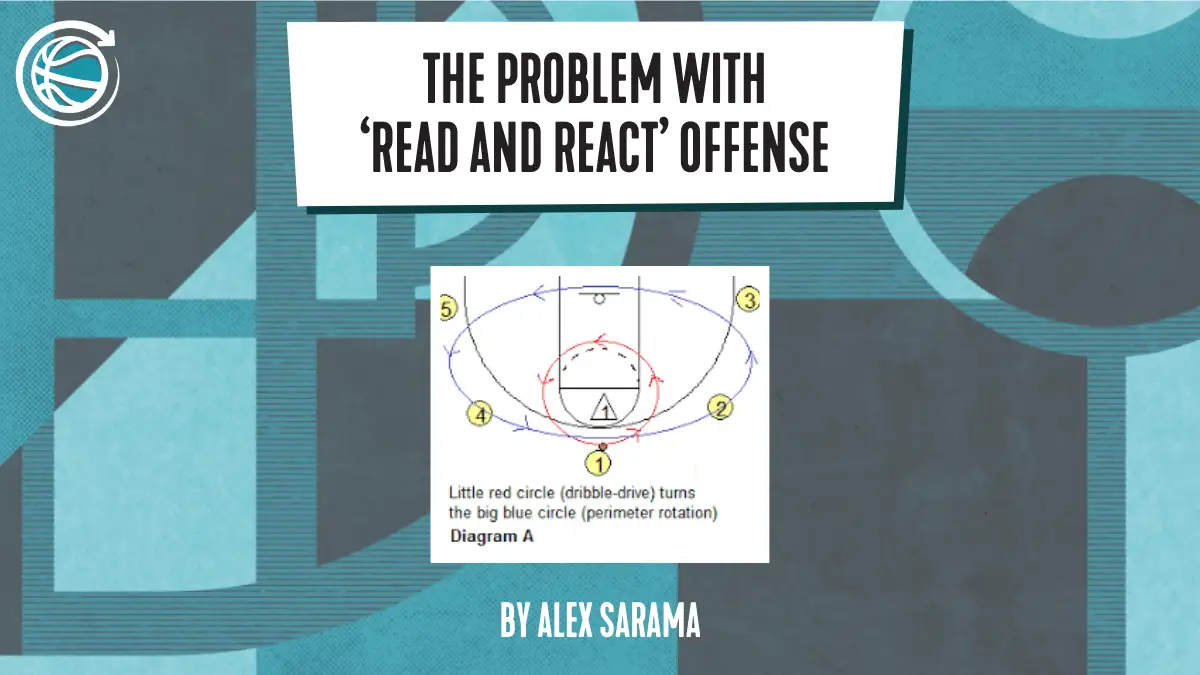
The concept of the ‘read and react offense’ is used by many coaches, but is it really developing effective offensive principles of play? This blog suggests how its main limitation exists in how the offense is based on patterns between teammates as opposed to the most important consideration: what the defense does. The blog presents conceptual offense as a better alternative at the youth level because of how it develops authentic decision-making, while also being completely tailored to the needs of each team.
Jul 22, 2024
Alex Sarama
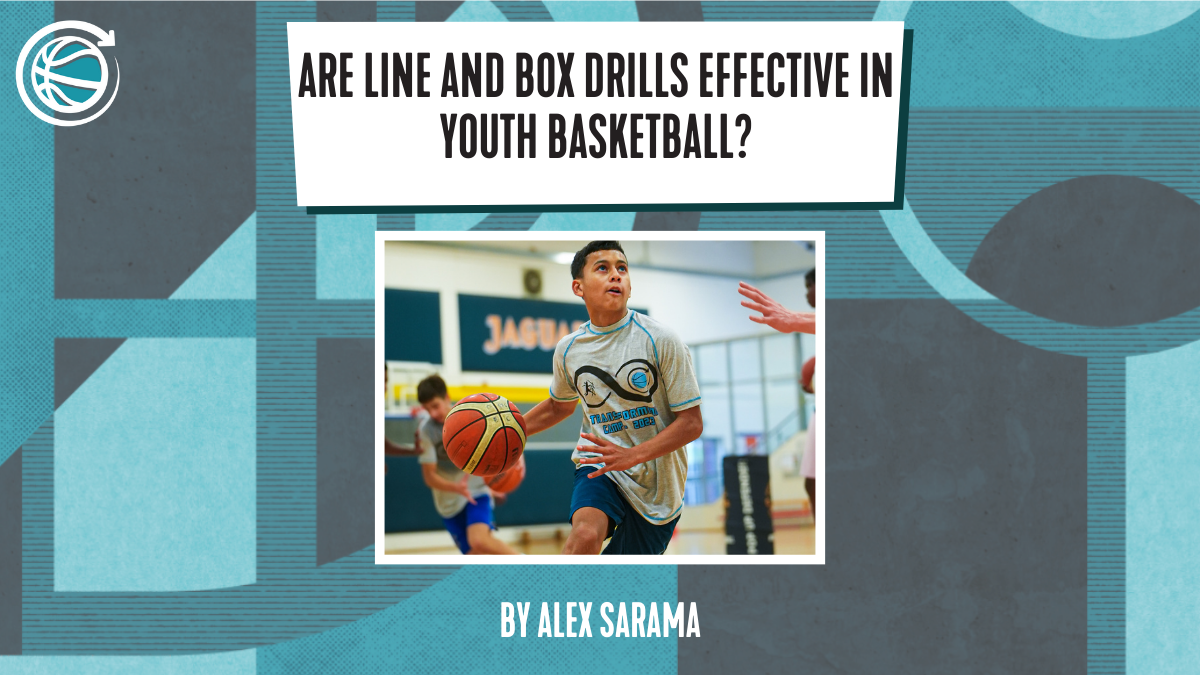
While line and box drills continue to remain popular in youth basketball, why are they not as effective as many coaches think? Despite many basketball camps making use of such activities, the line and box drills have extremely limited value, if any, in the context of youth development. Read this blog to find out why, as well as discovering better alternatives.
Jul 15, 2024
Alex Sarama
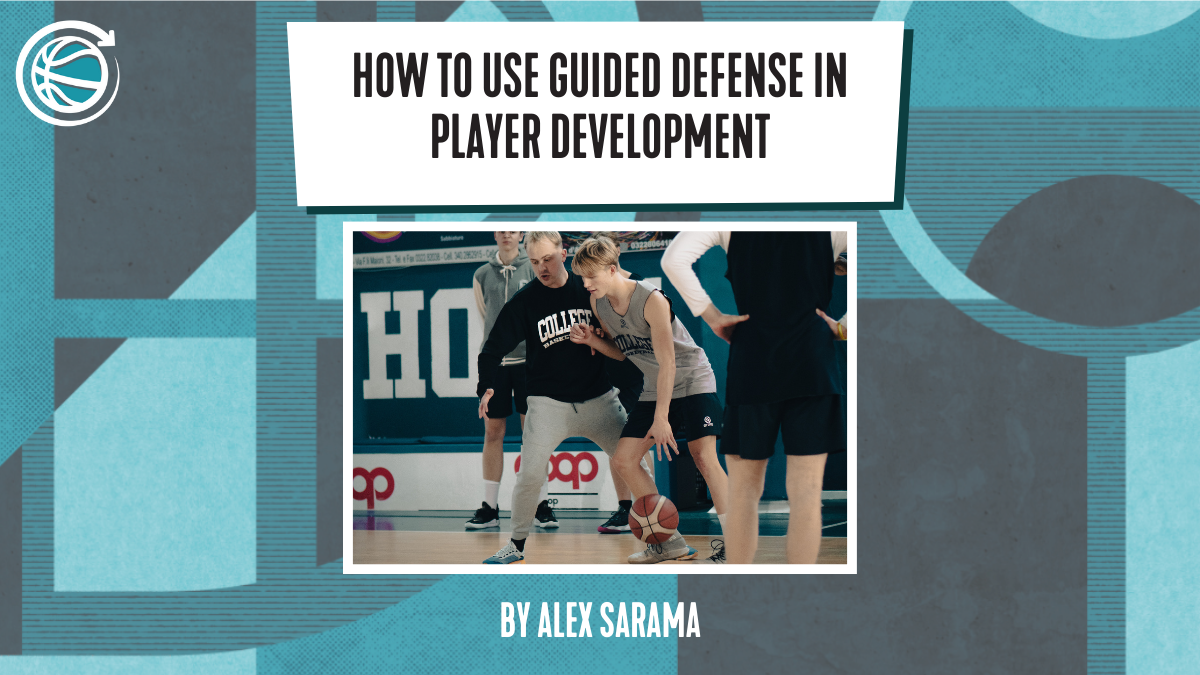
Learn how to create effective player development workouts by using a concept known as 'guided defense'. This works as a great alternative to on-air drills without the presence of a defender. Guided defense can be used in virtually any scenario in basketball by placing constraints on the defense.
Jul 8, 2024
Alex Sarama
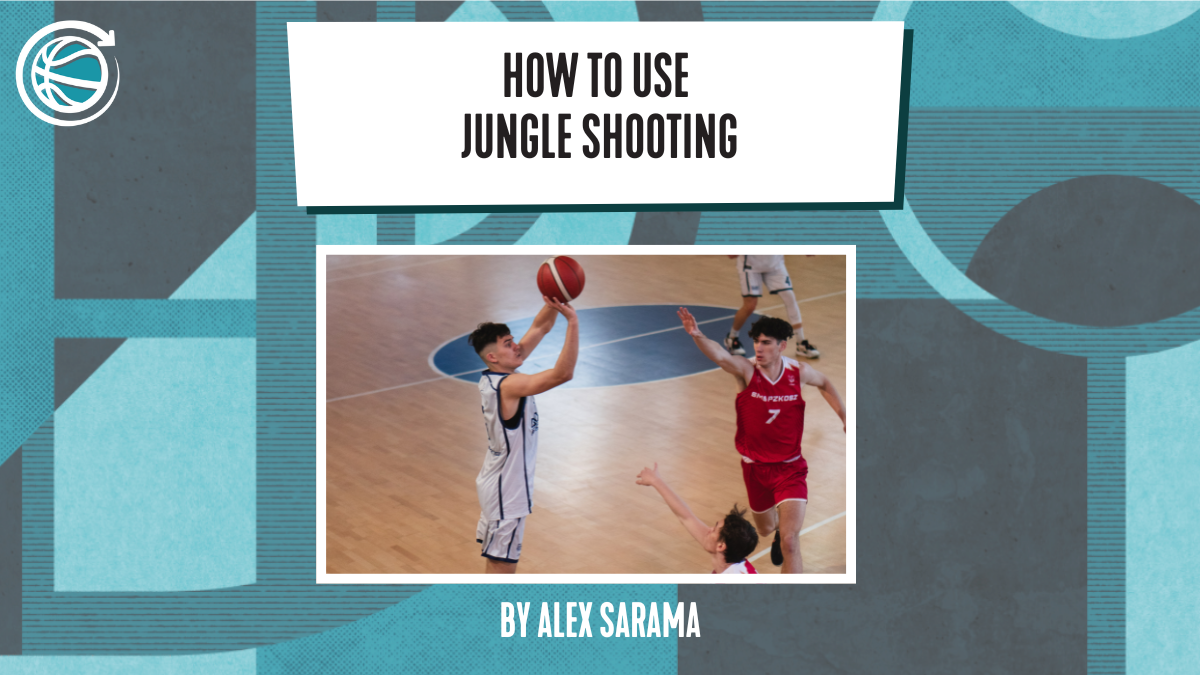
Are your players struggling to translate practice shooting into game-time points? Discover "Jungle Shooting," a dynamic Small-Sided Game (SSG) that replaces predictable spot-shooting with game-like chaos. Learn how to set up this fast-paced drill to improve shot selection, decision-making, and contested shooting percentages.
Jul 1, 2024
Alex Sarama
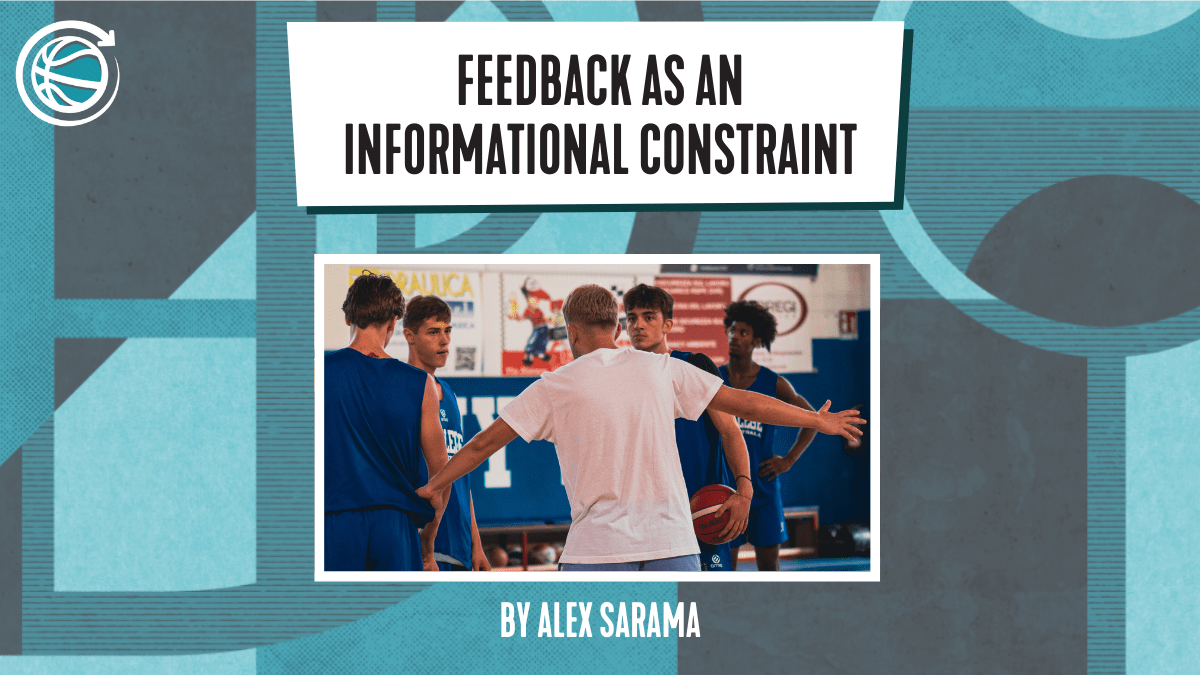
This blog reveals how feedback within the CLA can be used in a more open and explorative manner, helping guide players towards discovering effective solutions. The blog provides practical tips for how to deliver feedback in practices through a CLA lens.
Jun 24, 2024
Alex Sarama
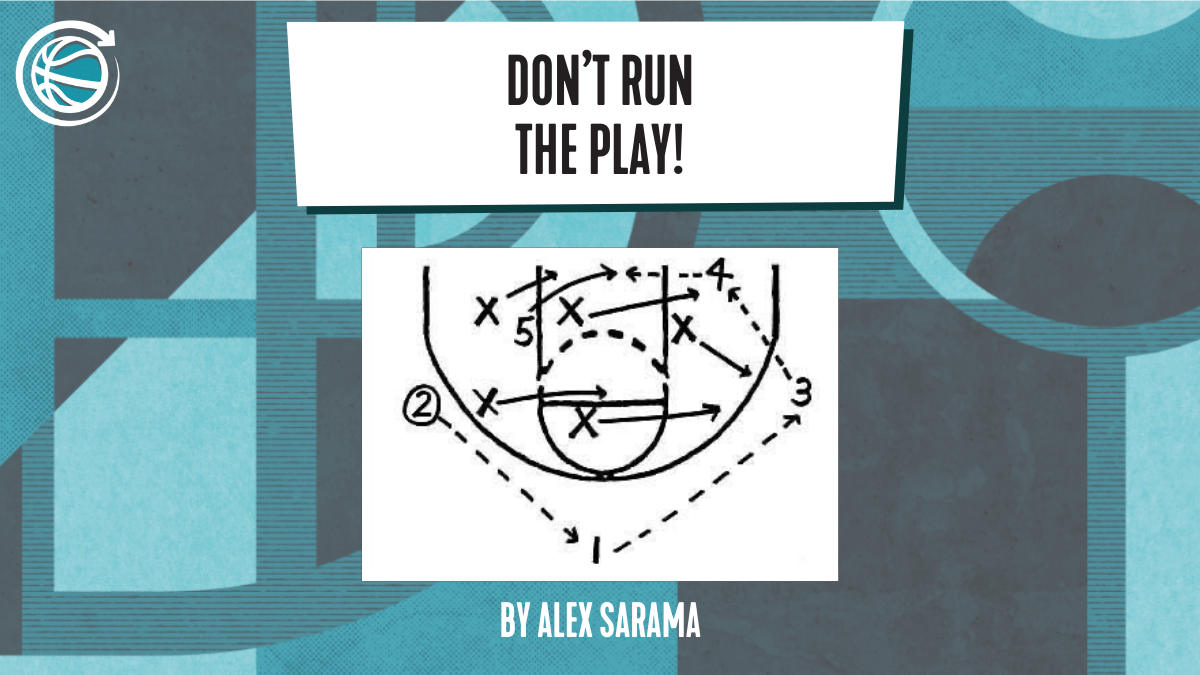
Why is it a problem using basketball offenses that promote running patterns and highly rigid actions? The aim of any set is to create an advantage, which means players should not be running sets through to the end. If this is regularly occurring, it likely means that your players are not aware of offensive advantages.
Jun 17, 2024
Alex Sarama
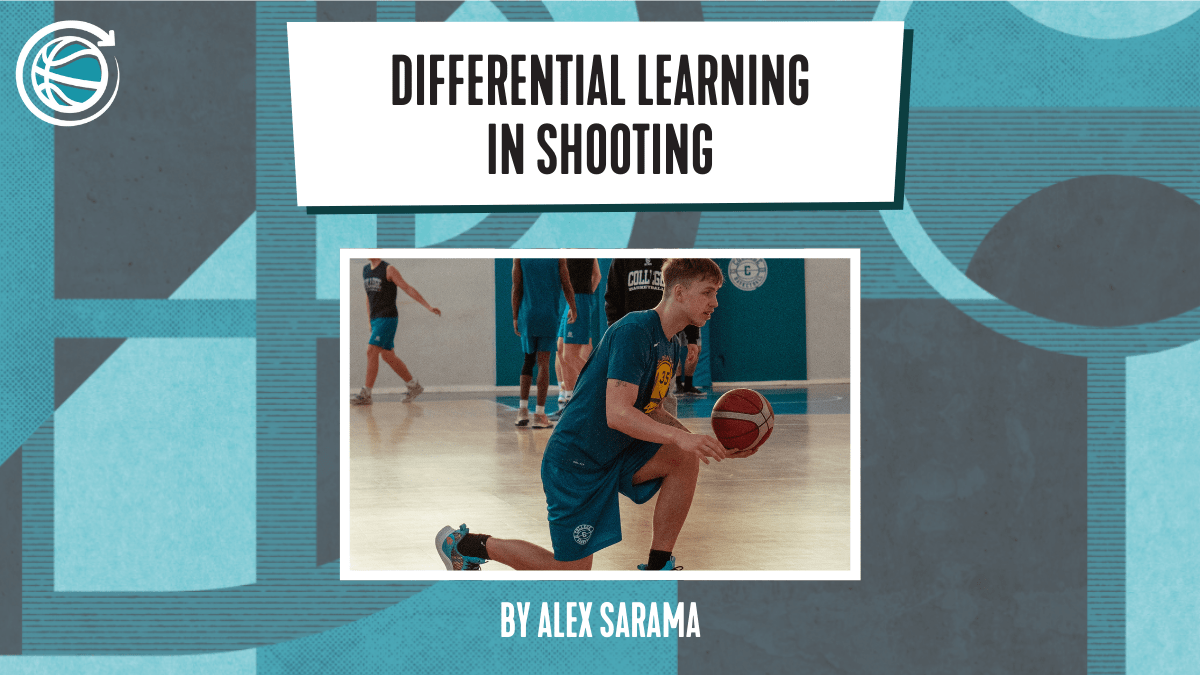
This blog explores Differential Learning (DL), as a method to develop adaptive shooters. Unlike traditional drills, DL introduces variability and "noise" to encourage players to discover their unique, effective shooting solutions. Read more to see how DL can revolutionize your approach to shooting practice!
Jun 10, 2024
Alex Sarama
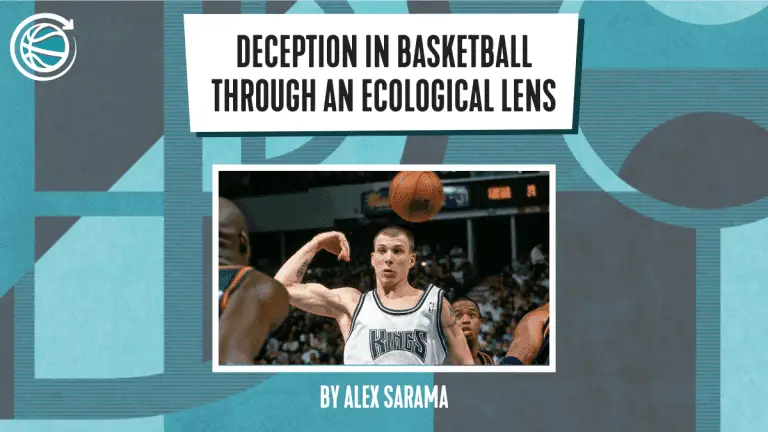
Learn how offering misleading affordances, like no-look passes, can disrupt opponents and enhance gameplay. This blog explores practical coaching tips to foster deceptive behaviors, encouraging creativity and adaptability in both individual players and team strategies. Dive in to see how you can elevate your team’s performance with the art of deception!
Jun 3, 2024
Alex Sarama




check what's trending

What is ecological dynamics and how is it connected to a constraints-led approach?
Dec 8, 2025
George Vaz

Are you searching for the best small sided games (SSGs) to improve your basketball practices? Want to replace boring, low-transfer drills with competitive games that actually develop player decision-making and in-game skills?
In this post, I’m sharing my top 5 favorite small-sided basketball games—designed to teach core concepts like closeouts, pick-and-roll, advantage creation, and transition offense and defense. These basketball SSGs are intense, purposeful, and built around real-game actions.
Whether you're coaching youth basketball, high school, or pros, these top small sided games will make your sessions more effective, more engaging, and more fun—for both players and coaches.
Let’s break down each game and how it can transform your practices.
Aug 4, 2025
George Vaz

Whether you’re coaching in the NBA, EuroLeague, or youth basketball, one thing remains universally true: the worst transition offense is still more efficient than the best half-court offense. Yet, many teams still struggle to fully capitalize on transition opportunities, often opting to slow down the game instead of pushing the pace. The question is, why? By running more intentionally, teams can create easier scoring opportunities. So why do some teams hesitate?
Apr 7, 2025
George Vaz
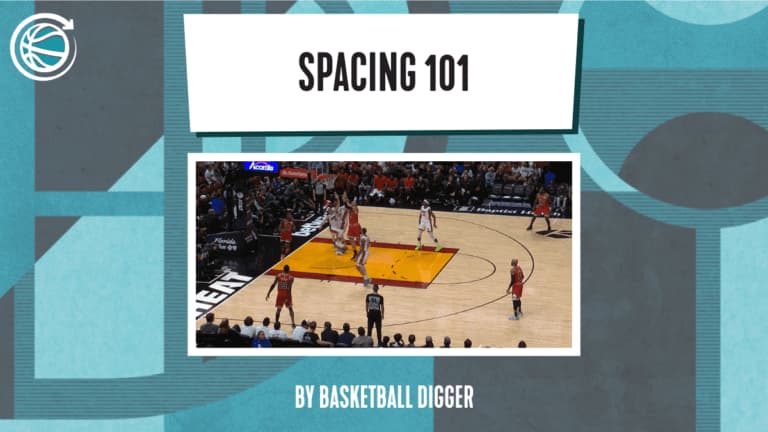
Spacing has changed the game. NBA offenses today look nothing like they did in the ’90s—more threes, better efficiency, and smarter shot selection. But why? The key lies in how teams use space to create and capitalize on advantages.
Mar 31, 2025
Simon Caret
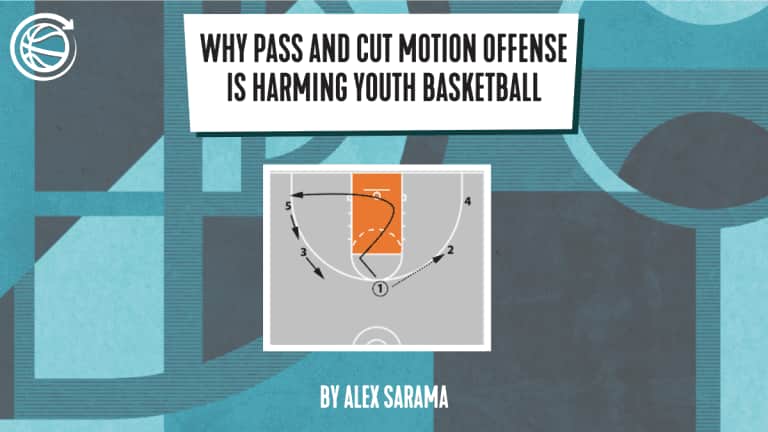
This article breaks down why pass and cut motion offense limits youth player development, and explores better ways to teach spacing, decision-making, and offensive creativity.
May 1, 2024
Alex Sarama
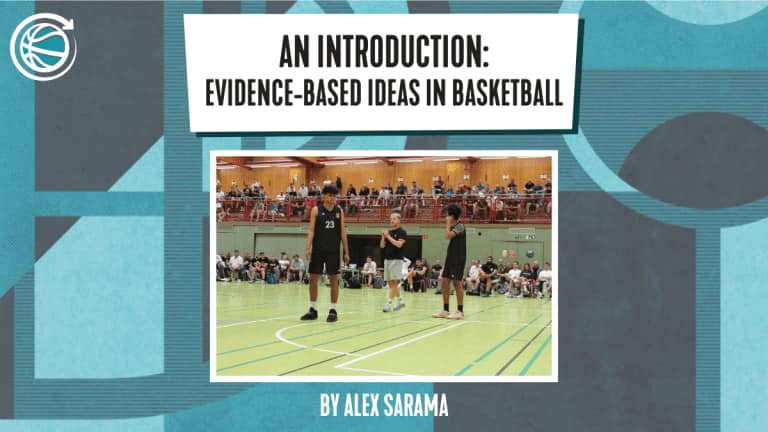
Approaches within the basketball industry are predominantly based upon experiential knowledge and traditions.


