

Transforming Basketball
All coaching case studies

Youth basketball · London, England

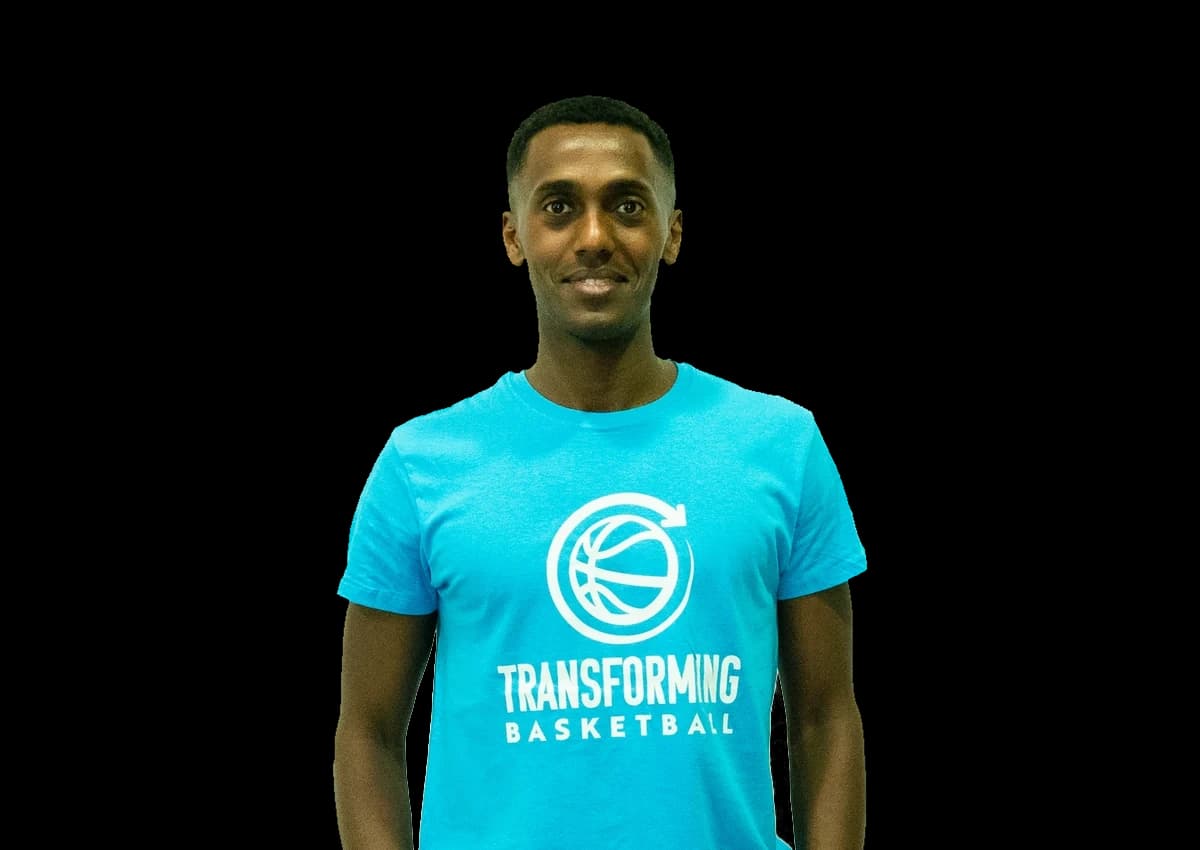
Rovel Yakobe

Helping players find their own answers.

Rovel explains his move toward small-sided games, purposeful constraints and a conceptual offense.

Rovel Yakobe

Coaching case study

The starting point

Rovel's interview describes coaching U14 boys at Barking Abbey in London after encountering Transforming while volunteering with the London Lions. He contrasts his previous traditional approach with learning to guide players through constraints.

What changed in practice

  • Moved toward small-sided games with defenders present.
  • Worked on using constraints instead of telling players what to do during practice.
  • Used the membership's games and discussions, alongside summer camp, to deepen his understanding.

What Rovel noticed

Rovel describes his team playing a conceptual offense without him calling set plays. He identifies changing his own tendency to direct players as the harder part of the transition.

The full conversation with Rovel

01

Where are you from and where do you coach?

I’m Italian and originally from Eritrea. I'm currently based in London where I’m the Head Coach of the U14 Boys at Barking Abbey Basketball.

02

How did you discover Transforming?

I discovered Transforming Basketball while volunteering with the London Lions. I came from a traditional approach and had the opportunity to explore a "new world of basketball".

03

What Transforming events or products have helped you the most?

The product that helped the most is the Transforming Membership. It is a great platform where coaches new to the CLA can discuss topics in the community and where you can take ideas from hundreds of small-sided games useful for your practices. The Summer Camp in Italy was also a great event to learn more in-depth about CLA and network with coaches from all over the world.

04

What changes have you seen in your coaching and with your team since using these ideas?

The main change I see is that I always try to run small-sided games and no more drills without defense! The second major change (the hardest part) is that I do not tell players what to do during practices, instead, I use constraints to help them adapt and learn new concepts. My team are playing a conceptual offense without me having to call any set plays.

What could change in your coaching?

Explore the ideas, find your next step and learn with coaches putting them into practice.

Explore the membership