

Coaching the Dribble Hand-Off in Basketball With the CLA





The dribble hand-off is one example of a trigger you can use within your conceptual offense. One of the challenges in our membership community was centered around how you would implement this trigger through a constraints-led approach.
A trigger is a simple action designed to initiate movement, force a defensive reaction, and create an offensive advantage. The challenge coaches see most is: ensuring the DHO is executed with intent to score, not just as a passive movement to reset the offense.
Christoph Nicol’s Solution: “One Opportunity” Constraint
Member Christoph Nicol offered a key idea: “constraining to afford.” This means establishing a rule (a constraint) that forces or encourages (affords) the aggressive, purposeful action that the coach wants to see.
The specific platform activity used is FIBA 3-on-3, which is flexible enough to allow for many tweaks. The crucial constraint introduced is the “one opportunity” rule.

The “One Opportunity” Constraint
This rule directly addresses the problem of players running the DHO passively, which often leaves the offense in neutral, having gained no advantage.
- If they run the DHO but do not create an advantage and are back to being neutral, the coach may call a turnover or end the possession.
This forces players to use the DHO as a genuine scoring threat. The constraint compels the ball-receiver to be immediately aggressive, whether by driving toward the basket, looking for a quick shot, or making a decisive pass to an open teammate. It ensures both the ball-handler and the receiver prioritize decisive coverage solutions and run the DHO with an aggressive mentality. This focused pressure eliminates the habit of passively using the DHO.
This method successfully links the action (the DHO) directly to the intent (scoring), making the practice activity a more realistic preparation for game situations.

The dribble hand-off is one example of a trigger you can use within your conceptual offense. One of the challenges in our membership community was centered around how you would implement this trigger through a constraints-led approach.
A trigger is a simple action designed to initiate movement, force a defensive reaction, and create an offensive advantage. The challenge coaches see most is: ensuring the DHO is executed with intent to score, not just as a passive movement to reset the offense.
Christoph Nicol’s Solution: “One Opportunity” Constraint
Member Christoph Nicol offered a key idea: “constraining to afford.” This means establishing a rule (a constraint) that forces or encourages (affords) the aggressive, purposeful action that the coach wants to see.
The specific platform activity used is FIBA 3-on-3, which is flexible enough to allow for many tweaks. The crucial constraint introduced is the “one opportunity” rule.
The “One Opportunity” Constraint
This rule directly addresses the problem of players running the DHO passively, which often leaves the offense in neutral, having gained no advantage.
- If they run the DHO but do not create an advantage and are back to being neutral, the coach may call a turnover or end the possession.
This forces players to use the DHO as a genuine scoring threat. The constraint compels the ball-receiver to be immediately aggressive, whether by driving toward the basket, looking for a quick shot, or making a decisive pass to an open teammate. It ensures both the ball-handler and the receiver prioritize decisive coverage solutions and run the DHO with an aggressive mentality. This focused pressure eliminates the habit of passively using the DHO.
This method successfully links the action (the DHO) directly to the intent (scoring), making the practice activity a more realistic preparation for game situations.




check what's trending

What is ecological dynamics and how is it connected to a constraints-led approach?
Dec 8, 2025
George Vaz

Are you searching for the best small sided games (SSGs) to improve your basketball practices? Want to replace boring, low-transfer drills with competitive games that actually develop player decision-making and in-game skills?
In this post, I’m sharing my top 5 favorite small-sided basketball games—designed to teach core concepts like closeouts, pick-and-roll, advantage creation, and transition offense and defense. These basketball SSGs are intense, purposeful, and built around real-game actions.
Whether you're coaching youth basketball, high school, or pros, these top small sided games will make your sessions more effective, more engaging, and more fun—for both players and coaches.
Let’s break down each game and how it can transform your practices.
Aug 4, 2025
George Vaz

Whether you’re coaching in the NBA, EuroLeague, or youth basketball, one thing remains universally true: the worst transition offense is still more efficient than the best half-court offense. Yet, many teams still struggle to fully capitalize on transition opportunities, often opting to slow down the game instead of pushing the pace. The question is, why? By running more intentionally, teams can create easier scoring opportunities. So why do some teams hesitate?
Apr 7, 2025
George Vaz
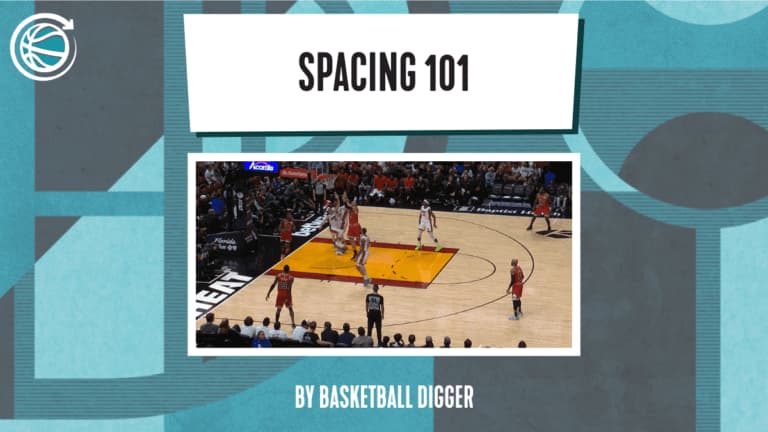
Spacing has changed the game. NBA offenses today look nothing like they did in the ’90s—more threes, better efficiency, and smarter shot selection. But why? The key lies in how teams use space to create and capitalize on advantages.
Mar 31, 2025
Simon Caret
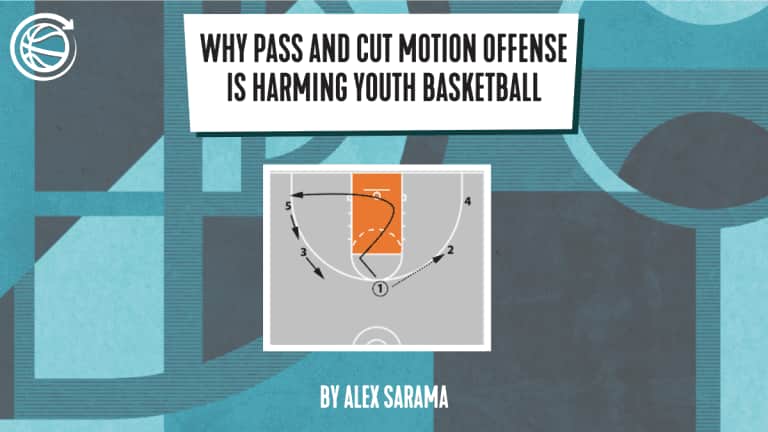
This article breaks down why pass and cut motion offense limits youth player development, and explores better ways to teach spacing, decision-making, and offensive creativity.
May 1, 2024
Alex Sarama
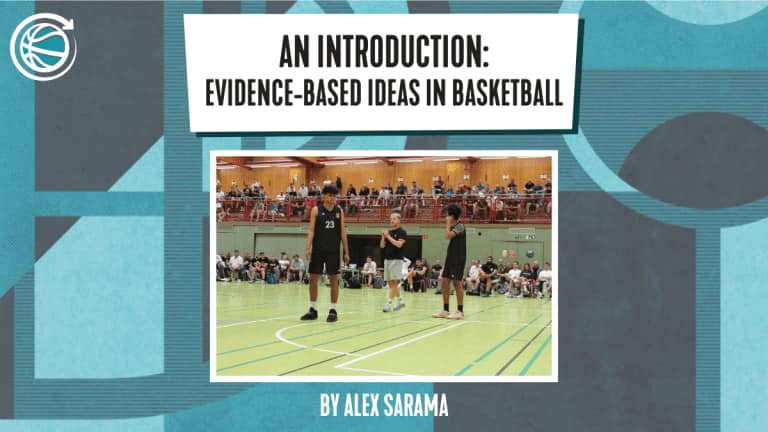
Approaches within the basketball industry are predominantly based upon experiential knowledge and traditions.


