Podcast introduction0:04
This is the Transforming Basketball Podcast, and I'm your host, Alex Sarama. This is the podcast where we help coaches and practitioners change the way we think about basketball performance. Our goal is to create the ultimate resource to help make sense of how contemporary skill acquisition ideas can be applied within the basketball world.
Alex Sarama0:26
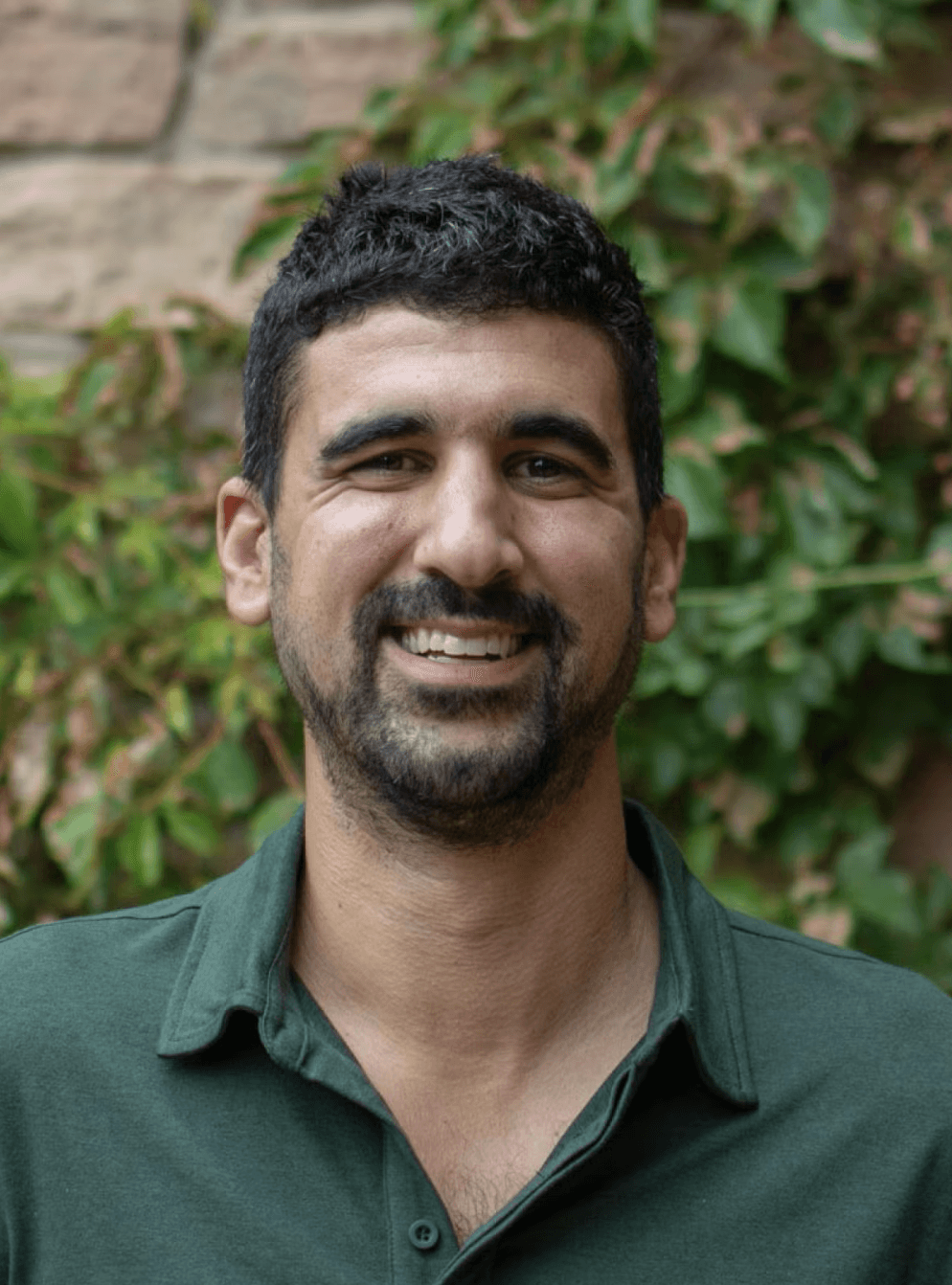
Throughout the podcast, we'll unpack how an ecological dynamics framework alters our perspective of the game. If you're ready to join us in our quest to transform the basketball world, then this is the podcast for you. Welcome back to the Transforming Basketball Podcast. Today, delighted to be joined by another friend of mine, uh, coached for me for a year at college prep in Italy last season, Jon Yu.
Alex Sarama0:57
Welcome to the show.
Jon Yu0:59
Awesome. Thanks for having me, Alex. Excited to be here.
Alex Sarama1:01
Just for the benefit of the listeners, John, could you just introduce yourself and kind of share just a little bit of your coaching story today?
Jon Yu1:12
Yeah, started out as a high school assistant at my old high school, did that for 5 years, and then the pandemic hit. After the pandemic hit, I did a lot of studying and learning and All those online coaching clinics. And the big thing was figuring out at the school I was coaching at, we had a lot of players that they loved playing basketball, but I wouldn't classify them as basketball players.
Jon Yu1:35
Right. And we've all kind of seen the kids when they're so used to running the 5-on-0 sets and stuff and they go screen a spot rather than a person and things like that and wondering there's got to be something else. There's got to be a better way to teach this.
Jon Yu1:47
Right. And so kind of diving into that and Luckily came across one of your coaching clinics that I didn't understand because I don't listen to jazz and classical music. And so as soon as you started talking about that, I was like, what is this dude talking about right now?
Jon Yu2:01
But luckily there was something there that kind of stuck with me and I ended up watching it like 3 times, I remember. And that kind of just opened the doors to learning for me and just trying to figure out the better way to do things or just a more efficient way to do things.
Jon Yu2:15
Luckily we got to work together on some stuff last summer. Doing some video stuff. I was fortunate enough that, yeah, you— I just got a teaching contract, you know, I became an adult, and all of a sudden you text me saying, I got a spot for someone in Italy.
Jon Yu2:27
And so moving from Vancouver, Canada to Italy was a, uh, pretty big move for me, but, um, changed the course of my career and life and stuff. And so it's been a wild ride, and just happy to call you a friend and a mentor and just someone I learned a lot from.
Alex Sarama2:42
Love it, George. So firstly, thanks so much for sharing that. I never would've guessed that you weren't a Miles Davis fan. You know, I think for me it was just your general positivity and just your curiosity to learn. What that brought to the program in Italy was just so beneficial for many reasons.
Alex Sarama3:02
So in terms of skill acquisition, you know, all the ideas that we were introducing at college prep, when you first discovered this, we started speaking about it, but what else have you done over the last couple of years? To really deepen your understanding of this area?
Jon Yu3:18
Read and learn, right? A lot of books. And I'm lucky that guys like yourself and Adam and guys have recommended a lot of great, great reads and just taking time to really invest in my own education. I think that's something that as coaches, we don't necessarily bring to the forefront a lot in terms of, hey, we're so worried about X's and O's or prepping our teams and things like that, which is completely fine, but I'm lucky that I guess the pandemic was kind of blessing in disguise where, you know, you have all this time to
Jon Yu3:47
learn. And so I remember speaking to my fiancée that, you know, when everything was kind of uncertain, I looked at her and I was like, I think we can come out of this better people. Like we can learn and we can really grow and use this kind of downtime in our life to improve.
Jon Yu4:01
And so I think I can look back and say that that was like the big thing was just investing in my learning and growth.
Alex Sarama4:08
I think nowadays I'm really pleased to see a lot of younger coaches are investing in their learning, but at the same time, I feel, and it's not their fault, but I feel like sometimes that time is being invested in the wrong thing. So for instance, even if just 15% of the time that maybe went into watching traditional clinics or X's and O's, if that was reallocated to skill acquisition, I think as a basketball community, we'd be in such a different place.
Alex Sarama4:35
And this is why I wanted to get you on the show. Because I really want other coaches to reach out to you and ask you, you know, because you've gone through this process recently. Like you've said, it's completely changed your perspective of basketball and life.
Alex Sarama4:46
And I think just looking at ecological dynamics, the CLA, and then actually looking at what it means, it's a game changer. Let's move back to Italy, and I want to go a little bit into the practicalities of what a normal day looked like and what your role was from a coaching perspective.
Jon Yu5:04
Yeah, I was tasked with helping lead, it was 3 player dev sessions in the morning. So that'd be about 7:00 AM to 8:00 AM. You know, you get there to the gym 6:40 and guys are already sweating. They've been there since 5:30 and working.
Jon Yu5:18
And so the big thing and what kind of brought you and I together was working on some shooting stuff, some videos and all that. And so I really got to deep dive into learning and exploring the CLA and differential learning with regards to developing shooting.
Jon Yu5:33
By no means do I consider myself an expert, but I think that when I went to Italy, big focus that I had in my player dev sessions was trying to develop shooting and kind of explore the CLA and NDL and just trying to experiment as much as I can and help the guys there.
Alex Sarama5:50
No, I think you did become an expert, John. I beg to differ. And the reason why I say that is because what I saw halfway through, you completely changed and you went from Following the recipes to making your own recipes. And this is what I'm really trying to get coaches understanding, that we're not just doing these small-sided games for a random reason.
Alex Sarama6:11
We're not doing a games approach. We're really observing carefully and we're identifying and creating activities based on rate limiters, AKA things which are expressing the ability for our players to be functional in different skills. So I'll give you an example. One of your activities, which I loved, I think it was Saturn's Ring.
Alex Sarama6:30
I got the name right. Yeah, you always chose the best, the most corniest activity names. I mean, could you just, could you just explain, you know, what that activity was and just why that's so important, not just to create your own activities, but the rationale behind doing it?
Jon Yu6:45
Yeah, so that one was kind of a fun one. And now I look back on the videos and obviously there's things you can do to kind of tweak and improve as you develop as a coach. The big thing I wanted was I wanted them to explore kind of escaping.
Jon Yu6:56
Now How it would start was the person with the ball, and I can link a post to this or link to my post on Twitter with the video, but I wanted the handler to kind of start dribbling in a random whatever sequence. I didn't want them to fall into some sort of monotonous, right?
Jon Yu7:12
But I wanted the defender now to be kind of orbiting around them, and I would kind of change the amount of distance away, and I would change the person that it started with. So it could be the offensive player. making the read, they're trying to create space, like escape into space, and they're trying to play with their dribble and how far they can get.
Jon Yu7:30
While also the rule was just it's got to be 3, right? And so you're going to start them in different locations on the floor. The first one, the defender will be orbiting kind of in front of you so that you're able to see them.
Jon Yu7:40
And then the second rep would be orbiting behind, right? So you may hear their sneakers. They may try to— it was fun to see guys try to fool each other with different their shadow or their sneakers, right? And as a handler, you're just trying to use your senses, right?
Jon Yu7:53
Use your feel and things and just players exploding out of a different dribble move or a different position and seeing how we can kind of go into our shot from there.
Alex Sarama8:02
And John, what cues the shooter to go? Is it the, the moment the shooter goes and kind of moves away from their rooted start, but the defender can stop orbiting and contest, right?
Jon Yu8:14
Exactly. Yeah. So we played around with it. We started with the offensive player taking off, and as soon as the offensive player takes off, the defense can kind of go for the contest. And then I played with the distance a little further, and then as soon as you kind of heard their footsteps coming, then you would be able to escape as well.
Jon Yu8:30
And so you're just trying to tweak things and, and kind of see how the players react to those different constraints there.
Alex Sarama8:36
I love that. Coaches, that's one to try in your next practice. And I think The reason why we like that one so much is because a lot of the contested shooting games I'm seeing now, there's actually not tons of variability because the contest's always coming from the same place.
Alex Sarama8:52
And also a lot of the time, such heavy contests that they're actually a very low shot quality. So I think some of that can be useful just because of the complexity of it. It really forces adaptations. And it, you know, it can be the level of challenge, especially for good players, that can be good.
Alex Sarama9:09
To see how they adapt and self-organize in a different way. But at the same time, we're not going for those shots in the game. I think the reason why Saturn's Rings is so good is because the contests are more variable, coming from different places.
Alex Sarama9:21
And I think you've got more of a mix between you might be able to get an open shot, could be a light contest, or it could be a heavy contest. You don't know each rep, and it's always going to be different. I think just thinking, John, how we manipulate constraints within that, I think it's so easy.
Alex Sarama9:36
I mean, Unlimited different options. We could have a person moving around so they could maybe use them as a picker or running a get if they lose the advantage. We could be changing the range. Should they do it short, medium, long? So the first one is a mid-range, second one FIBA 3, third one NBA 3.
Alex Sarama9:53
There's almost— there's so many things we could do. You could play it 2-on-2. So, and this is the idea. This is what we're trying to get at. You know, you can take one activity and just manipulate constraints based on what you're seeing and You know, it's unlimited kind of what you could end up with.
Jon Yu10:08
Exactly. Yeah. I'm just thinking like, yeah, adding an extra ball, getting extra reps in, right? Or, or having a passer where, you know, they're orbiting someone without a ball, right? So now you're having to blast cut outta there and try to fight for your feet and, and all that.
Jon Yu10:22
And so just talking about it now with you, you know, so many ideas come into the head where it's like, like, let's try this next time.
Alex Sarama10:28
Absolutely.
Jon Yu10:29
And that's the fun, that's the fun part of coaching.
Alex Sarama10:30
Yeah. So one of the things we did at Prep was we made an activities book, AKA our version of the Holy Bible. And we committed as a staff to never sharing that outside of our group of coaches. It was a special year of coaches that we had.
Alex Sarama10:45
We were an awesome team, I thought, just coming to work every day. And within that activities book, we had some really amazing things. And, you know, even now working at London, I'm not copy and pasting. I'm forcing the coaches to make their own activities book.
Alex Sarama11:01
And the reason why is if you copy and paste, you don't get the rationale behind why we're doing it. And if the coaches can actually figure out how to do this themselves, then I know I've done my job. And hopefully we'll get some ideas which are even better than some of the ones we had at prep.
Alex Sarama11:14
But let's just go back to the activities book, John. Was there anything else before we even get to DL, anything else in terms of the CLA, some of the activities that you really liked in shooting? that you were doing some of those player dev sessions or even team practices?
Jon Yu11:30
The Activities Book is awesome, right? And so it's a lot of brainpower from a lot of bright coaches, right? And so the thing we want, and the thing obviously you always talk about, is bringing variability and adaptability, right? That's what we're trying to do for our athletes and build that in.
Jon Yu11:45
And so anytime that you can get them into some sort of competition or some sort of game, like Automatically engagement goes up, right? And coming from me as a high school teacher, right, the number one thing that we want to be concerned about is engagement, right?
Jon Yu12:00
I mean, our students are going to learn more when they're engaged and having fun. And so within the activities book and within all these different small-sided games and using the CLA and manipulating constraints, right, you can manipulate constraints. You know, it could be every minute, it could be every 2 minutes, every 3 minutes, but it's something to keep it fresh, right?
Jon Yu12:15
And it's a new challenge, right? Rather than falling into the monotony of, you know, standstill shooting and You're trying to make 80% uncontested awesome, right? But as soon as you bring someone in, it's a competition and it's fun and it builds a lot of camaraderie.
Jon Yu12:30
I've found a lot of guys are competing, but they're also high-fiving each other on a nice shot. Or you get that built in, especially at prep where the guys hang out with each other 24 hours a day, right? It's a long time for teenage boys to be hanging out with each other and living together and eating together and training together.
Jon Yu12:47
It builds that fun, but it keeps the camaraderie together. And so just the results of seeing the CLA in action and just even aside from the basketball part, it was really, really cool to witness and to see guys from just different cultures and backgrounds all kind of come together and enjoy spending time training and working together just through thoughtful manipulation of constraints or just trying to keep in mind that, hey, basketball should be fun, right?
Jon Yu13:11
At the end of the day, that's why we do this. We don't do it for money. We don't do it for fame or anything. It's like we want to have fun, right? We want to provide opportunities for kids that you and I may or may not have had growing up, right?
Jon Yu13:21
I know for me, I got into coaching because my mentor and coach created all these really fun things for me. And looking back, it is more traditional, right? But I still took positive experiences from it. And so for me now, when you factor in the engagement and the time on task and learning and now Being able to kind of put it all together while getting your kids to learn and explore and grow and have fun is— it's awesome.
Jon Yu13:46
It's a great experience.
Alex Sarama13:47
John, I'm really glad you didn't actually answer my question and give me an activity.
Jon Yu13:51
Yeah, sorry, man.
Alex Sarama13:52
No, no, that response was amazing. It was so authentic. And I think screw the activities, let's get straight to transformational coaching. And that's ultimately the name behind why I started Transforming Basketball. And actually, doesn't it show like we went straight into the basketball?
Alex Sarama14:08
And we didn't even talk about the transformational side of what we were doing at Prep. And I think that's actually when we all, in all our conversations, that's what we've been the most proud of as a staff, the environment that we've created and really, really adopting the tenets of transformational leadership.
Alex Sarama14:25
So, you know, for a coach listening to this, you've hinted at it, but what is transformational coaching? Just what did we do at Prep to really create that environment where we embodied and we lived that every single day?
Jon Yu14:37
It all starts again, the same with teaching. We talk about building rapport, right? We want to build rapport with our students. We want to build rapport with our players. And so it was interesting for me to come in midseason and have to meet a group of guys that they've been together for, at that point, they'd been together 5 months or something, right?
Jon Yu14:53
And so for me to come in, I knew right away that I needed to build rapport. And I don't know if I should be saying this, this is giving away one of my secrets, but with every kid I met, I told them, I was like, I looked them in the eye, shook their hand, and I learned their name.
Jon Yu15:07
And I was like, oh, like, you're whatever. Like, oh, I love your game. I love watching your game. Right. And so it's telling them, like, hey, I invested when I was back home and prepping for this. I was watching games and I was like, oh, I really liked your game.
Alex Sarama15:19
And you had something specific to tell them.
Jon Yu15:22
Yeah, exactly. Like, I knew enough about their games. I kind of knew the roles they were in. And once you kind of start with that and it's like, oh, like, this guy's here invested in me and he kind of understands my role in my game and he's where I'm getting opportunities that went a long way in helping me kind of build that rapport.
Jon Yu15:38
And I'm pretty proud to say that I think I had pretty good relation with all the players, right? And a rapport with all of them. And so I think it just goes a long way in investing in that early. It starts with the first time you meet someone, right?
Jon Yu15:52
And meeting those players halfway through that season, it was a big importance for me to kind of start off on the right foot. Yeah, not be that transactional that we may have experienced growing up.
Alex Sarama16:02
And on that note, John, not only were you joining halfway through, but we actually also had 3 players joining halfway through. And I think obviously just because of how we practiced principles of play and everything, we had done so much in half the season and it was very challenging for them to come into that environment with all the terminology we had and just the skills that our players had developed in 4 months and how they were playing when the conceptual offense, defense.
Alex Sarama16:27
And I think Any level, especially in professional basketball, you have players coming in at random times during the year, new signings, filling injuries, whatever. And if we're just kind of leaving them to it and hoping that they can figure it out and figure out what we're doing offensively, defensively, I think we're just setting them up for failure.
Alex Sarama16:45
And I think one of the jobs I gave you was to basically accelerate the development of our new players, and we called it onboarding. Right. And we, you developed an amazing onboarding process and something I've seen just, you know, now working at the professional level.
Alex Sarama17:01
I think onboarding is actually, not only does it not really happen for staff, I think it rarely happens for players. You know, they're going to get a playbook video, they might get a PDF copy and that's it. You know, you're left to it.
Alex Sarama17:12
So, you know, we knew that we wanted to do something different. That's what prep was all about, thinking differently. Could you just explain to listeners what you did for that onboarding program? Because I think if anyone has a player that joins in the season or If they have a player who's struggling with some concepts, which we did, we put some players in there who were struggling just with some of the principles of play.
Alex Sarama17:33
I think what you did could be really good for them to listen to.
Jon Yu17:36
So I was tasked that you gave me to help onboard. It was a few of the new guys, I think 4 of them, 4 of them total. And what I did was we made something called learning group. And so it was just, we started with a group chat and I would just text guys like, hey, who wants to?
Jon Yu17:50
I would invite them over to my apartment because I had a TV screen and I'd hook up my laptop and And we would honestly just talk through systems and learn. And we'd even step into the courtyard outside my door and pretend we were 5 guys on offense and kind of going through triggers and our coverage solutions and things like that.
Jon Yu18:06
And just trying to accelerate. Now, obviously, and especially for a lot of these players, learning takes place kind of on the court.
Alex Sarama18:12
Exactly. That's what we speak about with knowledge about and knowledge of. But that knowledge about that you did really did help.
Jon Yu18:19
A few times a week for the first few weeks there. They'd come over, we'd spend some time, and we'd kind of just go through kind of everything, all of our overall systems. We'd watch film, we'd kind of break some things down. And I think it helped them, but it also helped me become a teacher, right?
Jon Yu18:33
A better teacher, a better person to explain things and try to make sure, because you have to remember that all these guys came from very different backgrounds, right? So some of them came from places that he was telling me they don't really have indoor basketball courts, right?
Jon Yu18:47
And then other guys are coming from maybe areas that they're used to playing on courts and they're used to maybe competing for a national championship in their home country or whatever. It was really fun and interesting. And the really cool part was other guys that weren't new wanted to come to learning group and they wanted to be the teachers and the facilitators and kind of help bring these guys up to speed.
Jon Yu19:06
And so for me, all I had to do was step back, right? And I got to watch. And as a teacher, that's like what we want is we want to create that culture of like, hey, we're here to help each other. Not just me being the all-knowing, whatever, leader of the group.
Jon Yu19:19
It's No, no, no. Like, we're all a part of this together. We're all learning and we're lucky to have other players that, you know, have been here longer that, hey, I was still learning things at that point too. So it was a testament to the type of program that you guys were building over there and just the character of the kids that you guys brought in.
Jon Yu19:35
Very, very high level.
Alex Sarama19:36
Awesome, man. And I think too, John, just when I watched some of those sessions, it was how you facilitated it and quizzing, getting them really involved, but different types of questions, not just the same kind of quiz type things every time. I mean, it was awesome.
Alex Sarama19:50
I think that made such a big difference. So I'd like to get to the elements that you enjoyed the most in that period you were with us. Now, MD Bar and the Proseccos and aperitivos that we did at least 3 times a week, that's— imagine that's off the table for one moment, you know.
Alex Sarama20:09
What was it that you liked the most about being at the prep program?
Jon Yu20:13
I love just being around people that Are forward thinking. Like I said, we get it as coaches and people, right? And you meet so many people, like, as a teacher and as a coach, you meet all these people that, I hate reading, right?
Jon Yu20:25
That's the number one thing people say. It hurts to hear that. To be around people that are forward thinking and wanting to kind of grow the game, but also grow themselves, right, and help other people, that was just inspiring for me to watch day in, day out.
Jon Yu20:38
Obviously, seeing the CLA and differential learning and all of that put into play. Every single day, you just pick up so many nuggets and the different type of constraints that are used and the why that we're doing these types of constraints and things like that.
Jon Yu20:51
It really pushes your thinking forward, right? It really pushes your boundary of like, yeah, there is other ways to do this. And once you kind of immerse yourself in and see it in action, it's like, man, I wish I got to play like this growing up, or I wish I got to be coached like this growing up, right?
Jon Yu21:05
And I was never a special player by any means. I didn't play past high school or anything, but I loved it. And I would say that I put in a lot of hours, but I didn't train efficiently. If we can help our athletes kind of avoid those same mistakes that we may have had growing up, then, you know, that's why we do this.
Jon Yu21:21
That's why we invest in our learning and try to give back.
Alex Sarama21:24
Fantastic, John. So before we talk about what you're going on to next, I just want to go back to your environment in Canada. And, uh, obviously you're from Vancouver and you've been working with one of the best club teams there. What things did you take back from prep and over this summer you were coaching a lot.
Alex Sarama21:43
Was there anything that you did differently or thought about in a different way?
Jon Yu21:48
It was really interesting going right from Italy, stepping right back into like an AAU club team. I was assisting on a U16 team, which was a pretty interesting situation where we had 5 players and the head coach from Vancouver Island, which is about 2, 2 and a half hours away.
Jon Yu22:03
And then I would have 5 players on the mainland and we'd come together a couple times a month to kind of all practice together and things like that. But the head coach was very kind and open to me kind of helping with the half-court offense.
Jon Yu22:18
And so just bringing in triggers and coverage solutions, it was something that a lot of the players hadn't seen before, right? And so usually with growing up, you're taught how to set a screen, but you're not really taught, okay, but when do you slip?
Jon Yu22:28
What do you do if you see a certain type of coverage? You know, what can we do to counter that? I think that's missing in a lot of coaching and teaching. And so bringing that into that type of environment where it's high-level dudes, they want to learn and they're able to see it right away.
Jon Yu22:45
I had a guard where he had never even heard of a ghost screen. And I'm like, hey, guard to guard, if you go and ghost screen and you know they're going to switch it, this is perfect for you, right? And I remember that moment of aha in practice where he did it perfectly, got an open shot, and he's like, man, this really works.
Jon Yu23:00
And I'm like, playing basketball, you're making a read here. I'm not telling you what to do. Yeah. You have options. It was a lot of fun to work with those guys and we got a lot of positive feedback from them and just other teams watching us where we looked like we were smart players.
Jon Yu23:15
And we were fortunate enough to kind of parlay that into winning the highest division in the big tournament in Vegas, which was not only huge for our club, but also for Canadian basketball. And beating, you know, all American teams and kind of winning the, that top division kind of It was a pretty big deal for Canada basketball, I think.
Jon Yu23:32
So yeah, it's a fun group to be a part of and just happy.
Alex Sarama23:35
Love that, John. Something we spoke about a lot over the summer was some of the differential learning activities you were trying in shooting. And I know that you've worked with some players back home who are really struggling to shoot and DL basically unlocked them.
Alex Sarama23:50
What was the story behind that?
Jon Yu23:51
It was actually my last team practice that I was a part of before our guys went to Vegas and play in that final tournament. And it was actually what the head coach over there would do. We were on the island and he would bring in other guys from the island to kind of come train and just be extra bodies and things like that.
Jon Yu24:05
And there was one player there that he talked about. He's like, oh yeah, this kid, he's coming to our school next year. He's only grade 9 or he's going into grade 9 or 10 or something. So pretty young, but he's got a bit of a slow release and a hitch.
Jon Yu24:18
And so the coach is kind of telling me this and I'm kind of watching him shoot and I'm like, let me just try something for a sec. So I actually, I actually went over with him for over an hour. Like he wasn't even on the team, but I'm like, let me pull him to the side.
Jon Yu24:30
Let me try to work with him for a bit while you kind of go through team practice. And my whole mindset was like, okay, well, we need to kind of get him used to differential learning first. Right. So I prefaced it with him.
Jon Yu24:40
It's, hey, this is going to be a bit weird. It's okay. I don't care about the misses, but we introduced the Brad concept. So he understood that. Yeah. Back rim and down. Something that we're always trying to aim for as an external cue.
Jon Yu24:51
And then we kind of just— I told him, I was like, I want you to change your range, I want you to change your location, always kind of moving, being variable, things like that. And then I'm just going to give you a few different kind of rules, and I want you to kind of shoot with that.
Jon Yu25:04
But at the end of the day, you're still aiming for Brad, right? And so the first few, you're kind of just playing with stance, playing with arc, playing with pickup point, things like that. And then, because I didn't want to jump right into speed, 'Cause all he hears from his coach, right?
Jon Yu25:16
And so I wanted to kind of get him comfortable with the idea of differential learning. And so what I was doing was took it after watching Francisco Nanni and when he came to visit Italy, talking to him about differential learning. So what I would do is like, after a few different rules, it was like, okay, now we're going to play with the speed of your shot.
Jon Yu25:34
Okay. So speed 1, I want you to shoot as fast as you can. Speed 3, I want you to shoot as slow as you can. And speed 2, I want you to go somewhere in the middle.
Jon Yu25:42
Now speed 2 and anything with 2 that we were kind of going through would be what they already do because they're going to go back to their natural comforts. And so what we do, we would shoot, is always changing location, changing range, things like that.
Jon Yu25:53
And I would just be— I would tell them like, you can choose the speed, but you can't use the same speed twice or 3 times in a row. It's in his head. He's like kind of playing with different ones. But it's like I told him, I was like, I need to be able to tell what speed you're on by watching.
Jon Yu26:06
Like I should see a speed 1, speed 2, or speed 3.
Jon Yu26:09
And so we get him kind of shooting a bit, get him kind of shooting a bit, and we stop. Okay, what's the least comfortable for you? Okay, well, he says speed 3, super slow. I get it. Okay, so let's eliminate speed 3. Let's stick to 1 and 2.
Jon Yu26:20
You still can't shoot more than 3 in a row from 1 speed, right? So you're kind of always changing, you're finding different whatever, whatever. And then afterwards, I just didn't give him the choice. I was like, okay, from now on, this little bit, we're gonna shoot speed 1, right?
Jon Yu26:32
Right. And so you could see that He started feeling and understanding what a faster shot felt like rather than someone just, or us just telling him, you know, your shot's slow, you have a hitch.
Alex Sarama26:43
Exactly. And it's conditions, not positions. I think that's a huge difference.
Jon Yu26:48
Exactly, exactly. And so getting him to focus on speed 1. And so if I were to do that with one of my own players, you know, I'd be able to kind of text him and be like, hey, have you been shooting in speed 1?
Jon Yu26:58
Right? And he'll be able to feel that. He'll be able to think back to Hey, that's how it felt, right? And I think that's important in the learning is to be able to feel things, right?
Alex Sarama27:06
100%. So, John, I want to just finish up with what you're going into next. And I think I'm so proud just to see— I think you've shared on the podcast today just what the results are when you invest in this and you just go all in and you're as dedicated to your learning as you are.
Alex Sarama27:22
So can you just share kind of to the audience where you're going next and what you're most excited about with that new role?
Jon Yu27:28
So I'm excited to— I just signed the contract yesterday to move to Vietnam for 3 months to start, opportunity to re-up for 1 or 2 years afterwards if both sides see fit. I'm going to be going and working with the Saigon Heat organization, who is arguably the best team in Vietnam, best organization in Vietnam.
Alex Sarama27:45
I'd say in that whole region of Asia, man, they've dominated.
Jon Yu27:49
Yeah, so definitely super high level in Southeast Asia. And so I'll be working with their pro guys. September is playoffs, so they want me to kind of join them for the playoff run and do some player dev there. I'll be working with a couple of their youth academies as well, just trying to grow the game and then also being able to coach their coaches.
Jon Yu28:06
So just the stuff that we talked about here, and obviously I credit everything I've learned to you and your ideas and kind of just piggybacking off everything I've learned off you, but just bringing that over to Vietnam. And I'm lucky that they're— sounds like they're pretty open-minded to learning and growing and Ultimately, that's what I want to be a part of, right?
Jon Yu28:22
Anyone that's— that wants to learn and grow, I— if I can help in any way, you know, I'd love to.
Alex Sarama28:26
John, thanks so much for sharing that. And I think it's— times are changing. And, you know, you were hired for that job to introduce the CLA to one of the teams who are already the most successful in the region. So I think there's nothing better than that to show what the value is to investing in learning about what this is.
Alex Sarama28:44
And I just can't wait to see you go out there and crush it. We'll have to do another podcast seeing kind of what you're using, how you've adapted. I think that's going to be a really interesting episode.
Jon Yu28:55
Yeah, definitely looking forward to reconnecting and just sharing some stories from both sides of, for both of us. So awesome. Thanks for having me, man. Really appreciate it. My pleasure.
Alex Sarama29:02
Thanks so much, John. Thanks for tuning into this episode of the Transforming Basketball Podcast. If you would like to learn more about the work we do, head to www.transformingbball.com to access our free resources and help spread these ideas throughout the basketball world. If you enjoyed this episode, then please subscribe and leave a rating or review on your favorite podcast platform.
Alex Sarama29:33
We will gladly answer any questions from today's episode via our social media platforms. See you next time on the Transforming Basketball Podcast.