Podcast introduction0:06
This is the Transforming Basketball Podcast. This is the podcast helping coaches and practitioners change the way we think about basketball performance. Our goal is to provide the ultimate resource for making sense of applying contemporary skill acquisition ideas within basketball. Within this podcast, we unpack how an ecological dynamics framework Impacts our perspective of the game.
Podcast introduction0:28
If you're ready to join us in our quest to transform the basketball world, this is the podcast for you.
George Vaz0:40
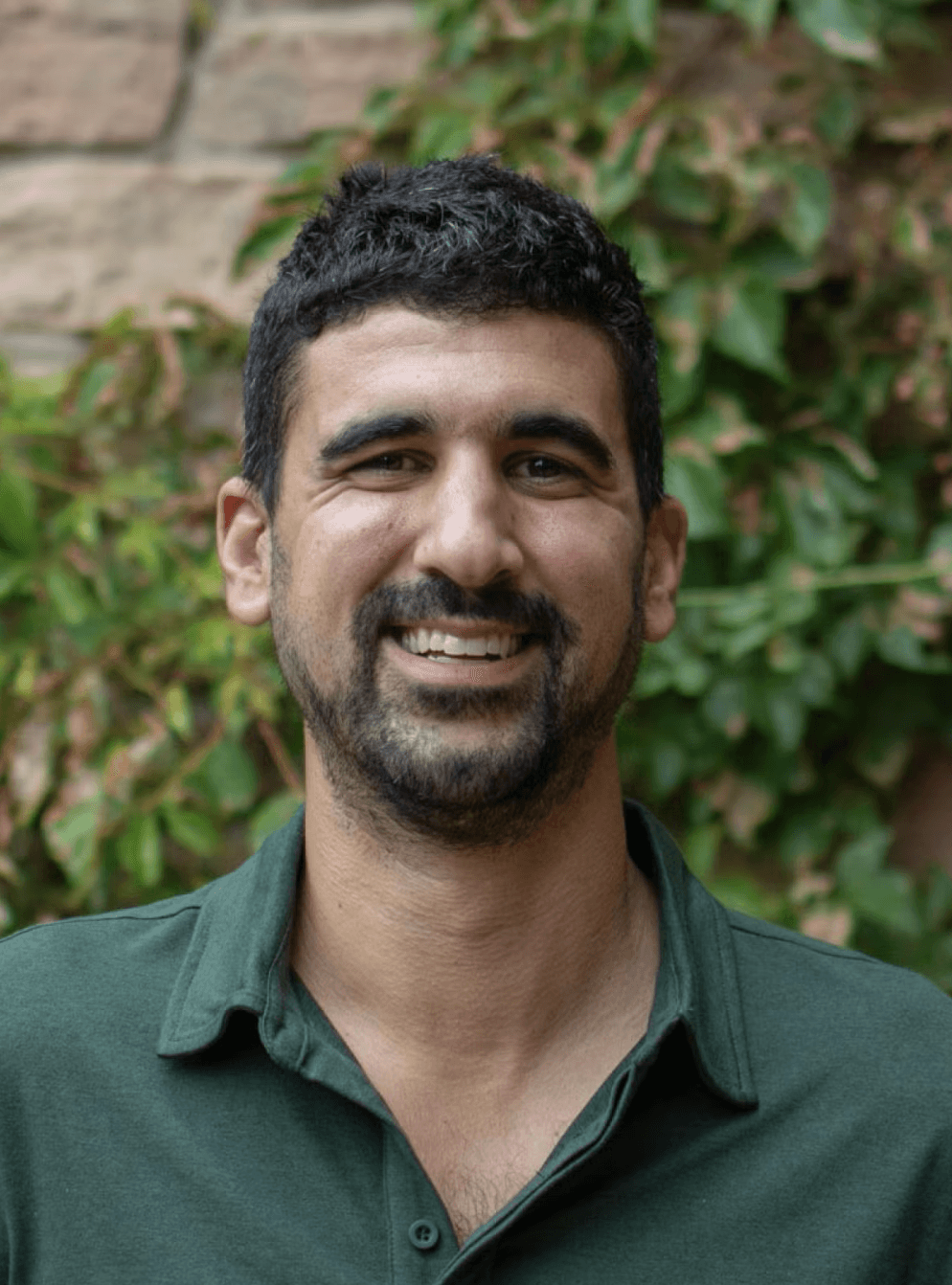
Welcome to the Transforming Basketball Podcast. On today's episode, I have Tim Fanning. Tim is a basketball coach with a diverse background. He's coached all over the world. He worked at Maccabi Tel Aviv. For almost 6 years where they won 4 straight domestic league titles.
George Vaz0:57
Tim has also coached at Overtime Elite where he's coached some awesome players, including Alex Saar, number 2 draft pick, and the Thompson twins as well. His journey has been defined by player development, global basketball experience, and innovative practice design. And today he's going to share with us what that looks like.
George Vaz1:14
So welcome to the show, Tim.
Tim Fanning1:16
Thanks, George.
George Vaz1:17
So Tim, I got to ask you, how did you get involved with the CLA? How did that come about?
Tim Fanning1:23
Man, you know what, while I was overseas, it kind of came across my board. I spent a lot of time in Spain. My first coaching jobs were in Spain where I was very much following Pep Guardiola and his development, his process. Actually, my first year in Spain was when he had the second team.
Tim Fanning1:39
From there, he took the first team and obviously went on the run. He did it at Barça and has continued a career. But I was very familiar with kind of the rondos and that kind of stuff. And so when Alex started putting stuff out there about the basketball rondo, that kind of caught my eye.
Tim Fanning1:52
And actually, we still haven't talked about the basketball rondo because I have some thoughts on that, but I'll save that for when I, when I talk to Alex again.
George Vaz1:59
No, let's get into it now. Like, why not? What are your thoughts? I know that there's been some pushback on, like, I know that some CLA coaches are like, oh, it's not the most effective thing to do in football or soccer. But yeah, curious what your thoughts are with the basketball roundup.
Tim Fanning2:12
Yeah, I just thought some of the passes weren't that real. That was pretty much my main thing was like, it wasn't that real. And I thought at the time, I thought it was a little bit gimmicky and I was like, who is this guy?
Tim Fanning2:22
But then obviously over time I've gotten to know Alex and understand better kind of the world that he's coming from and how's, how he's seeing the world from a basketball and from a learning sense. But that was the first kind of interaction with the CLA.
Tim Fanning2:33
And then I think as time has gone on. You know, my background was in Spain and I think that some of the stuff that you guys have really dialed in and given language to was happening, you know, during that time, kind of late 2000, whatever, 2008, 2009, 2010.
Tim Fanning2:50
You know, I was going to trainings at Juventud Badalona and I can just remember walking through their facility and going to visit these different teams and they're just, they're hoping, like they're playing one-on-one, they're playing two-on-two. You see guys doing different stuff. They got one arm behind their back.
Tim Fanning3:04
And I think some of that stuff in the Spanish, I think development system was present, you know, a while ago. And now you guys have obviously done a great job giving language to it and spreading some of those methods.
George Vaz3:17
Yeah, I'm very curious to see, because obviously the Spanish national team has not had the most success from the last World Cup. I think it was when they won it, but they've obviously, like you said, they used to do some really forward modern practice design.
George Vaz3:30
And I'm just curious, like, do they do the same thing? How is it going now? Or is it just a thing of like, you know, they're just the talent?
Tim Fanning3:37
I'm not as familiar now just because I'm removed in terms of what they're actually doing, teaching their coaches. But like, you know, my education was through the Spanish Basketball Federation, like Curso Superior. And at that time we were doing some very interesting stuff.
Tim Fanning3:50
You know, I can remember some of those courses and some of those activities and some of the on-court stuff was very forward-thinking in terms of what's out there right now. So yeah, That had a big influence on me and my development. You know, I can remember when I was running a basketball school in Castellbisbal, Spain, and having the kids, you know, touch different through different hoops on their Eurosteps and like requiring them to finish with the left hand and having token defenders and, you know, kind of leveling up the level of defense in terms of
Tim Fanning4:17
the intensity.
George Vaz4:18
Was that the first time that you did that, those kinds of things after seeing it?
Tim Fanning4:22
Yeah, I think so. I think so. You know, that was my first time really coaching. I had coached in summer camps prior to that, but right after school when I went to Spain and I kind of Had my team that was also working in the basketball school that really gave me a lot of opportunity just to have a lot of reps running drills and having different ideas in mind in terms of what's the club's goal, what's the club's identity.
Tim Fanning4:45
And then what are kind of the next, next step in skills for those players. And it was, you know, working with U16 players, then working with under-8 players and kind of like Okay, what do the U16 have that these guys don't? And kind of going down that road.
George Vaz5:02
Yeah, I always think as well, when you coach younger players, they really force you to teach the game. Whereas with maybe some older players, they already know what a switch is. They know the rules of the game. Whereas with younger players, you really have to educate them on the rules of the game and also how to move kind of thing, put them in that environment.
George Vaz5:21
But Tim, I want to You know, pivot a little bit and talk about, obviously mentioned in the intro, all the places you've been, what you've done. Let's focus in on Overtime Elite. So you coached some high-profile prospects like Alex Saar, Amen-Anosor Thompson, and then recently, you know, Igor, right, who got drafted.
George Vaz5:40
So how did your developmental approach entail for such talented players based on, you know, what you've learned through the years?
Tim Fanning5:47
Well, I'll say, You know, Yegor was obviously here at BYU and then Danny was at Maccabi and then the Thompsons and Alex were at Overtime. But I would say, you know, regardless of who you're working with or where you're working, of just having this like balance between keeping the end goal of like what that player is trying to become in mind and then locking in and aligning on like, what's the next, what's the next step and really, you know, dialing in on what's the next step for that player.
Tim Fanning6:13
And I think in a lot of those scenarios. Kids, 17, 18, 19, you're kind of in this transition from youth basketball to senior basketball. A lot of it is just like an awareness of, okay, now the game is transitioning from something specifically surrounding my development to now, how can I impact winning?
Tim Fanning6:32
How can I help the team win possessions? How can I be effective on the court? Because if you're really talking about, you know, winning games, then you got to talk about, you know, being effective. As much as you can do something, we want you and the team to do something that we can make a shot at 60%, not make a shot at 30%, but then you got a highlight reel for that.
Tim Fanning6:51
And I think like with Yegor and Alex coming from Real Madrid, they had a great kind of sports education. They were really ready to take that step. So I think that, you know, Madrid does a good job of finding that balance between like they're trying to develop players, but then like you go watch Spanish championships.
Tim Fanning7:07
They're trying to win. They have that in their DNA. And then, you know, obviously with a guy like Amen, it was a completely different thing. It was his first time not playing with his brother. So it's like, you know, he's used to playing with his brother and kind of like they really feed off each other and now he doesn't have him out there.
Tim Fanning7:23
And now it's like, okay, at the core of the game, you still got to make good decisions. Now, if you have an awareness of like who that guy is and, you know, is he a good shooter or not? That's going to influence your decision.
Tim Fanning7:34
But I think that was the road that I spent a lot of time on with the men. But at its core, it's like figuring out what's the next step for that player, having conversations with that player, getting alignment. Because like, if you want something as a coach, but the player wants something else, as much as you're right, or as much as you have logic, it's not going to work.
Tim Fanning7:53
So you really got to find that middle ground and then have a shared understanding and then just Freaking keep going for it. Keep going for it. Keep trying to find new ways to help them work on it. And yeah.
George Vaz8:04
If I can ask you as well, if you can speak on it, like obviously you have a top prospect at BYU this season. You know, what's his next step? How do you see working with the Banzha?
Tim Fanning8:13
That's a good question, man. I'm not sure if I want to get too much into it because, you know, if there's coaches from the Big 12 or around college that listen to this, but it's the same thing. It's figuring out how does his game Translate to what we're doing.
Tim Fanning8:27
And then how does he fit in and the team fit in to help us be the most effective team possible, most efficient team possible, and win possessions on both ends?
George Vaz8:37
Yeah, absolutely. Yeah. Can't give away all the secrets.
Tim Fanning8:40
One other thing though, about like, you know, just thinking about AJ and thinking about Danny and kind of, you know, they're kind of the same age as, you know, AJ is obviously going to be a different size piece in our puzzle, whereas like Danny Avdija.
Tim Fanning8:52
He was going from being like the star of our youth, of the Maccabi youth system, now trying to fit into a EuroLeague team that like, we're only thinking about Wednesday's game. That's the only thing on our radar is trying to win that game.
Tim Fanning9:06
And that's been a fun kind of challenge and thing to think about as a coach as this has gone on.
George Vaz9:11
And you mentioned Maccabi. You guys won, I think it was 4 straight domestic league championships while you were there, which It's crazy. What is like one daily routine? What standards, what are some standards that you guys had there that helped you sustain that level of success?
Tim Fanning9:27
I think it's really, you know, I worked for a few different coaches there. I worked for Ioannis Faropoulos, who's now at Red Star. I worked for Nevin Spahija, who's now at Venice. I worked for Rami Hadar, who had a great career over there.
Tim Fanning9:39
And more than any like daily activity or routine, I would say that's a situation of like, The cultural standard at Maccabi is to win. You know, the lunchroom before every EuroLeague game, they have like this VIP room that is just filled with trophies.
Tim Fanning9:56
Like it's, it's something, it's like a museum of all of their champions, all of their EuroLeague titles, all of their past great players. And that's where you're eating lunch before every EuroLeague game through, I don't know what it is, through osmosis.
Tim Fanning10:11
You get an understanding that like we are expected to raise a trophy in the near future. And obviously in Europe, you have different competitions. You have the Israeli Cup, which we won those. You have the Israeli league title, which we won those. And then you have EuroLeague, which is like the big one.
Tim Fanning10:26
And then also you look around you and basically the head coach and the main players, if you're not winning a title, if you're not raising a trophy, those guys are probably not going to be there very long because that's just the expectation. And as a result of that, they've had, you know, I think they're the most successful club in all of sports as it relates to winning trophies.
George Vaz10:44
Yeah, Maccabi, man. And I think that, you know, the product that they put out on the floor in the EuroLeague especially is always a competitive team. You know, they always play hard regardless of who's on the floor. I always enjoy watching their games.
George Vaz10:56
So most recently, Netherlands U18 team just passed EuroBasket. How was that? You know, and I'm curious how you manage your time. Because I know, I think a big thing when you're doing national team work like that, especially the youth team, is that, you know, maybe you don't have as much time with the players as you would like.
George Vaz11:14
How did you manage that while still trying to implement the principles of play?
Tim Fanning11:18
Yeah, I think, you know, it was a wonderful experience. It was my first time being a head coach of a national team. I'd been assistant with New Zealand before, but I think as it relates to like, you know, the time limitations, it's trying to keep it very, very simple.
Tim Fanning11:30
Like trying to really, you know, as I was drawing up what are, you know, what are the principles or what are the ideas that I want the team to play with? I would say every time I was trying to think about, okay, what can I cut down?
Tim Fanning11:40
What can I cut down? What can I cut down? But then at the same time, having an awareness in those types of competitions where you're playing back to back to back to back games, you don't really have practices once it gets going. You want to have like enough depth in your principles that you can go different places.
Tim Fanning11:57
As it relates to like what's actually working and not having to like try to go against one of your previous principles. You know what I'm saying? Where you're not like, hey guys, now we're not going to do what we've emphasized for our 3 weeks of practice and do something else.
Tim Fanning12:12
So that was like a fun balance of, okay, what are the main things that I know I would like our team to sit on top of? And at the same time, having little nuances in there, little nooks and crannies. That we've explored in the preparation.
Tim Fanning12:28
And then once the competition starts, we can go down those nooks and crannies and try to become more effective and try to win those games. Because at the end of the day, in that competition, you're trying to win. You know what I mean?
Tim Fanning12:39
As much as it's youth basketball and as much as like part of the objective for the summer was developing player X, player Y, player Z, and seeing what they got on an international level. Once that thing starts, everybody wants to win. And so there you gotta like be able to adjust really quickly, whether that be roster stuff or whether that be tactical stuff.
Tim Fanning12:58
And so I think those were things that were on my mind in terms of like simple pillars that have depth to go different places. Yeah.
George Vaz13:05
And I'm also hearing you say, it's like, how do they all fit together holistically in a holistic manner so that you can, like you said, not push one thing away and then do the other thing, but it's like, all right, we're going to also be doing this on top of what we've been working on.
Tim Fanning13:18
Or just different stuff. Like, you know, let's say we wanted to play a lot of pick and roll, but then at certain points in the practice, like, okay, you know, we're not shooting until that ball goes inside. Because I wanted to prepare the team that if the inside is actually our advantage, the guys already have habits of like going there and understanding that an offensive possession might look like us working to try to get the ball inside and then start playing.
George Vaz13:41
Yeah, exactly. Like, it's like a constraint that I I really like it personally. It's like you have to get a paint touch before you can score. So then it just forces them to, you know, find shots at the basket or, you know, bring the defense in and then pass out for the 3 or, you know, keep the dominoes going like that.
George Vaz13:59
And I know you guys had a winning record. You obviously, I think you lost that. It was against Montenegro that kind of puts you in that lower classification game. You had some really cool principles of play that I want to maybe talk a little bit more about.
George Vaz14:12
But before we do, in terms of teaching your principles of play, would you start with any like, oh, these are more important, let's start with them? Or do you kind of like, oh, they're all important, let's see how we can fit as many as possible in a small-sided game?
Tim Fanning14:24
Look, for me, it all surrounds intensity and IQ. Like, I just feel like as a coach, after the game, throughout my career, more times than not, you're looking back at the game and you're like, okay, if we won, we probably played harder than them.
Tim Fanning14:36
We probably played smarter than them. And if we lost, they probably played a little harder than us. They probably played a little smarter than us. And now there's a lot of nuances that come off of that in terms as it relates to like actual principles.
Tim Fanning14:46
But I think, you know, especially coming from the EuroLeague and that time at Maccabi, that's something that's like very much at the top of my mind anytime I'm on the court working with the team or anytime I'm preparing a team for any kind of competition is like the intensity and the IQ.
Tim Fanning15:01
And the IQ really rears its head as it relates to shot selection. In terms of what are great shots, how are we going to generate those shots? And then also an understanding on the other side of like what shots we're living with, you know what I mean?
Tim Fanning15:14
And what shots we want to prevent.
George Vaz15:16
Yeah. It's like, it's like you see players jumping on, like if it's a mid-range pull-up and you see players really selling out for the mid-range pull-up and trying to contest and block the shot versus like, oh, that's what we want them to take.
George Vaz15:26
It's a long 2, you know, let's contest, stay on the floor and not sell out for it. Knowing that, having that IQ to not get, you know, foul the jump shooter or let them go by for a layup like that as well. And so you mentioned like it's not necessarily one constr— or one principle.
George Vaz15:44
Can you share a game or a drill that you did in practice and, you know, what you look for when you're doing these games or drills?
Tim Fanning15:51
I mean, I would say like, as it relates to the IQ and shot selection of just putting different limitations on, you You know, when certain shots are kind of acceptable and there's a fine balance there between, you know, certain players, you want them to have like a lot of freedom and a lot of confidence to go get you a bucket.
Tim Fanning16:09
And then other players, it's like, nah, that actually should never happen. Like that literally should never happen.
George Vaz16:14
How do you convince them of that? How do you like have that conversation with your players?
Tim Fanning16:18
I think it's a constant thing from the very beginning of especially talking with your best players and asking them and making sure they're okay with like, Do you want me to hold you to a high standard? And generally speaking, a player's gonna be like, yeah.
Tim Fanning16:30
It's like, okay, well, you know, I want to coach you really hard on certain things. And if you can coach your best player on shot selection, then I think everything else kind of trickles down. And I would say find that balance between like, okay, you know, it's a turnover or just kind of celebrating that shot, celebrating the defense.
Tim Fanning16:48
You know, one thing I try to do a lot is catch people when they're doing something right and really getting excited for like Like, yes, we're living. Like, we're living if that— they're taking that shot. You know what I'm saying? We're winning that game.
Tim Fanning16:58
And sometimes you get a little friction with the players, with the guy that shots. It's like, nah, I can hit that. It's like, yeah, you can hit that at about 20%. And if you guys shoot 20%, we're going to walk away feeling pretty good as a defensive team.
Tim Fanning17:10
So yeah, I think it's just this balance and that's kind of the art of coaching, right? It's not pure X, Y. You got to have a little bit of feel to it. You got to know. When to be, you know, more strict and when to be more lenient and find kind of other routes to get your message across.
Tim Fanning17:26
But I would say the shot selection and then the intensity thing that I mentioned, just a consistent emphasis on rebounding, like consistently making sure that the guys know that that has to be there. No team is winning any games without rebounding the ball well.
Tim Fanning17:43
It's just, it happens all the time in basketball and you got to have emphasis on that. And I think if you want that, that's got to be present throughout the practice. It can't just be a 1 or 2 minute, you know, rebounding or 5 minute rebounding drill.
Tim Fanning17:53
And then you're just playing and that's something else. It's got to be like constantly talking about rebounding and emphasizing that.
George Vaz18:00
How do you emphasize that? Is there any constraints that you add in to kind of like, oh, you know, if you score off an offensive rebound, it's double points or bonus point for an offensive rebound. Or, you know, how do you emphasize that?
Tim Fanning18:10
Just little stuff like in defensive cutthroat. Offensive rebound, for sure, defense is not continuing. I think there's a balance there in that, in terms of, do you stop it or do you give them another reward? Because you also don't want the offense to stop playing or the defense to stop playing once they give up an offensive rebound.
Tim Fanning18:26
So I think finding that balance, but for sure, if we're doing defensive, any defensive scoring, if you let up an offensive rebound, you know, you're off.
George Vaz18:33
So I guess that's a great one. It's just like counting the stops, whereas then the defensive rebounding becomes a really powerful because you have to defensive rebound to get a stop. So then it becomes part of the game that—
Tim Fanning18:44
I mean, I would say also in like in film work of just making sure that the rebounding is present throughout the film, really.
George Vaz18:50
Like, I want to, I want to fast forward a little bit and you finished practice. You did all that. How do you know if your session was effective? I remember Kobe used to say this when he retired. He was like, you know, it was, the transition was hard because when you're playing basketball, You get that instant feedback, whether, you know, a shot that you took, whether you made or miss it, was good or bad.
George Vaz19:11
Whereas now in filmmaking, right, he was talking about it after he won his Oscar, it's like you don't get that feedback straight away. So you don't necessarily know if what you're doing is working or not. So after a practice session, how do you know if it's effective?
George Vaz19:24
What do you look for after or during the session that's like, okay, it's working, this is good, we're getting something out of this?
Tim Fanning19:30
Yeah, I would say it's really like a full Kind of a full cycle. I think you have to be really detailed in your planning of the practice so that you're knowing what you're trying to get out of each activity or drill or whatever name you want to call it.
Tim Fanning19:45
And then while that activity is happening, kind of constantly reminding yourself of like, what are we trying to do right now? And then, you know, depending on your role, if you're the head coach, you have complete control over like What's going on on the court?
Tim Fanning20:00
So if you don't like it, move on. If you like it, maybe you give it a little more time. You don't like it, maybe you find a little tweak or adjustment, and or reminding the players of like, you know, this is actually what we're trying to work on right now.
Tim Fanning20:13
You know, sometimes the players get distracted with the competitive side, and it's like, okay, right now we want to compete, but we're really trying to work on X because X is, you know, very important to us. So that's kind of during the practice, and then obviously like.
Tim Fanning20:26
Giving assistants, you know, specific roles during the practice session and asking them to give you feedback during the practice session. Or now at BYU, I am an assistant of giving the coach feedback or just being aware of that. And then more than anything else, after the practice, watching the practice.
Tim Fanning20:45
Like, seems simple. I don't know how many coaches do it or don't do it. I've watched every single practice I've ever participated in. And then I'm reflecting, taking notes. on that practice. And then that's leading into the next practice or whatever the plan is longer term where you're keeping, you know, a certain part of notes of like, this activity was good or it didn't actually tick the box if we need to work on this backside action or whatever, you know, detail it might be.
Tim Fanning21:10
But I would say it's really just like a, just a commitment to the process. Like if you spend 30 minutes or an hour planning the practice or more than that, whatever time it is, And then you're, you try to lock in during the practice.
Tim Fanning21:22
And then after the practice, you're watching it and reflecting on it. And then having that fresh in your planning, I think you're going to have pretty good practices. You know what I mean? Over time.
George Vaz21:30
There's no way you're not going to improve if you do that consistently.
Tim Fanning21:34
So for me, it's super important for the players and for me as a coach of like locking in on the process of like, what does that look like? Trying to be great there and not necessarily getting too attached with Any results.
George Vaz21:46
Yeah, process-focused, right? You know, just to add on, I agree. And I know it does take time. So, you know, maybe you're a coach and you don't, you don't have all that time, right? But even if you watch 10 minutes or you watch one segment of your practice, it's going to help you so much.
George Vaz22:01
And if you get into the process of doing that, then it just is like, how competitive are you?
Tim Fanning22:06
It's like, yeah, 10 minutes is better than zero, but 20 is better than 10, perhaps. And that's like, you find that threshold in terms of like, okay, Now I'm not getting any more returns on it. That's good. Like, that's enough. But—
George Vaz22:17
Like, raise your standard, right? Oh, I can do 10. All right, well, I'm going to raise my standard. Now I can do 20. All right. So you spoke about your coach, Kevin Young. You know, you're reuniting with him after working together in the G League with the— how do you, how do you call it?
George Vaz22:31
Delaware 87ers.
Tim Fanning22:32
They're now the Bluecoats. We worked together in the inaugural season when Sam Hinkley was the GM. of the 76ers. And then they started that program, that G League team.
George Vaz22:43
And I want to ask you how, you know, obviously you're working together now. So you guys had great rapport. How has that evolved over the years? And then I want to ask you as well, what advice can you give on networking, especially to young coaches coming up?
Tim Fanning22:56
I would say, you know, our relationship really evolved surrounding basketball. We both had a certain eye for the game of certain details that we were able to have a lot of meaningful Kind of conversations and discussions while we were there together. And then when I went to New Zealand and then was a head coach, and then obviously in Maccabi coming back every summer, we would connect at summer league and just kind of get together and like talk hoops.
Tim Fanning23:20
We would also talk life, but really talked a lot about different tactical nuances as it relates to, I don't know, forward-facing helps and next pick and roll defense, which was happening in Spain, you know, a long time ago. And yeah, that was kind of our relationship.
Tim Fanning23:33
You know, we would just touch base during the year and then every summer we would go to kind of Shake Shack and with one of the other assistants, John Beckett, and just like get together and kind of talk hoops, talk player development. And one thing led to another and now I'm with him at BYU and I couldn't be more grateful for this opportunity and that relationship as well.
George Vaz23:51
No, I love it. And just specifically in terms of like, can you offer any kind of words of wisdom? You said like, you know, making sure you stay connected with people. And talk hoops. Is there anything specifically you would, you know, you would tell maybe a younger version of yourself to do or not do?
Tim Fanning24:07
Yeah. I mean, I would say like, first, everybody says it, but just be yourself. And so if you have a good relationship with somebody, just enjoy having that relationship with them, whether or not it leads to something afterwards or not, just like enjoy your experience, enjoy your life.
Tim Fanning24:21
And there's going to be certain people you gravitate towards and certain people you don't and like spend time with the people that you gravitate towards. And then as it relates to like basketball, And maybe like maximizing some of those relationships as it relates to, you know, opportunities and networking and stuff like that.
Tim Fanning24:35
I would just say, try to be dialed in on asking meaningful questions. Like study that team of the coach you're working with or you're about to meet with and like know details. Talk to them about the adjustments they made in the 4th quarter of Game 5 playoffs.
Tim Fanning24:51
Talk to them about, you know what I mean? Have like meaningful basketball discussions that are actually interesting for you and actually stuff that you want to know. So again, just kind of being yourself. If you have interest in some of the tactical stuff that they're doing, I think that's a good way to have a good conversation with somebody and continue to get to know them as opposed to just like, hey, how are you?
George Vaz25:10
Like offer value as well in the discussion as well.
Tim Fanning25:13
Yeah. I don't know if it's offer value as just as much as like, just be authentic. Like I'm a very curious person. I'm very interested in how other teams are coaching and like, So I've had different relationships in my life that have become more than basketball relationships.
Tim Fanning25:25
But at the core of it was like, yo, you guys have a great defense. Like, what are your fundamentals on defense? What is your— I remember when I was on a professional development trip, so I was in New Zealand coaching. It was only 6 months.
Tim Fanning25:36
And I went to Israel or I went to Europe because Avi told me, I was like, hey, Avi, I'm trying to get out of New Zealand and go to Europe. He's like, dude, you got to show up. So I spent a week at every place that I went.
Tim Fanning25:47
I figured out who do I know that would open their doors to me for a week. And I showed up there. My own dime, whatever. And I would specifically seek out the defensive coach on that staff because I felt like offensively I was, I felt very prepared, but defensively, 10, 12 years ago, I was like, I'm not at the level I want to be.
Tim Fanning26:05
So I would find this defensive coach and I would ask him, what's your first defensive drill? Like, what's your first defensive drill? And literally at the dinner when I was in Israel, the guy sitting next to me was Rami Hadar, who was the defensive coach of Maccabi Tel Aviv at that time.
Tim Fanning26:19
He was the first assistant. And we ended up almost like annexing from the conversation. Computers are out. We're getting into details. He's showing me all this stuff. I kid you not, 2 weeks later, head coach gets fired. Rami becomes the head coach. And I'm still on this tour in Europe.
Tim Fanning26:35
I'm at Avellino going and visiting their practice. Then I go to Neuchâtel in Switzerland. And meanwhile, you know, Rami and Avi are like, hey, you know, Do you think you'd want to come back? I'm like, come back and be an assistant at Maccabi?
Tim Fanning26:46
Yeah, let's go. So like that, you know, desire just to improve as a defensive coach literally led for me to have the opportunity of a lifetime to be a 30-year-old American assistant in the EuroLeague.
George Vaz26:56
So it's just like being curious, being authentic. It's like, it's like super simple. And that's what, you know, I think a lot of the secrets to what we're chasing is, right? It's just simple answers to everything. I love it. Thanks for sharing that.
George Vaz27:09
Tim, I want to thank you for your time. Before I let you get out of here, I do have one more question I want to ask you. The transformative tip. If you could leave coaches with one piece of advice that they can apply instantly to improve their practice environments, what would that be?
Tim Fanning27:23
Intensity and IQ. If you bring intensity into the practice and you're trying to work smart, you're going to be good.
George Vaz27:30
Love it. Love it. Thank you so much for your time, Tim.
Tim Fanning27:33
Thanks, George.
Podcast outro27:39
Thanks for tuning in to this episode of the Transforming Basketball Podcast. If you'd like to learn more about the work that we do, head to transformingbball.com to access our free resources and spread these ideas throughout the basketball world. If you enjoyed today's episode, be sure to subscribe and leave a review on your favorite podcast platform.
Podcast outro27:58
You can also connect with us on Instagram, X, or YouTube with any questions that you have from the episode. See you next time on the Transforming Basketball Podcast.